

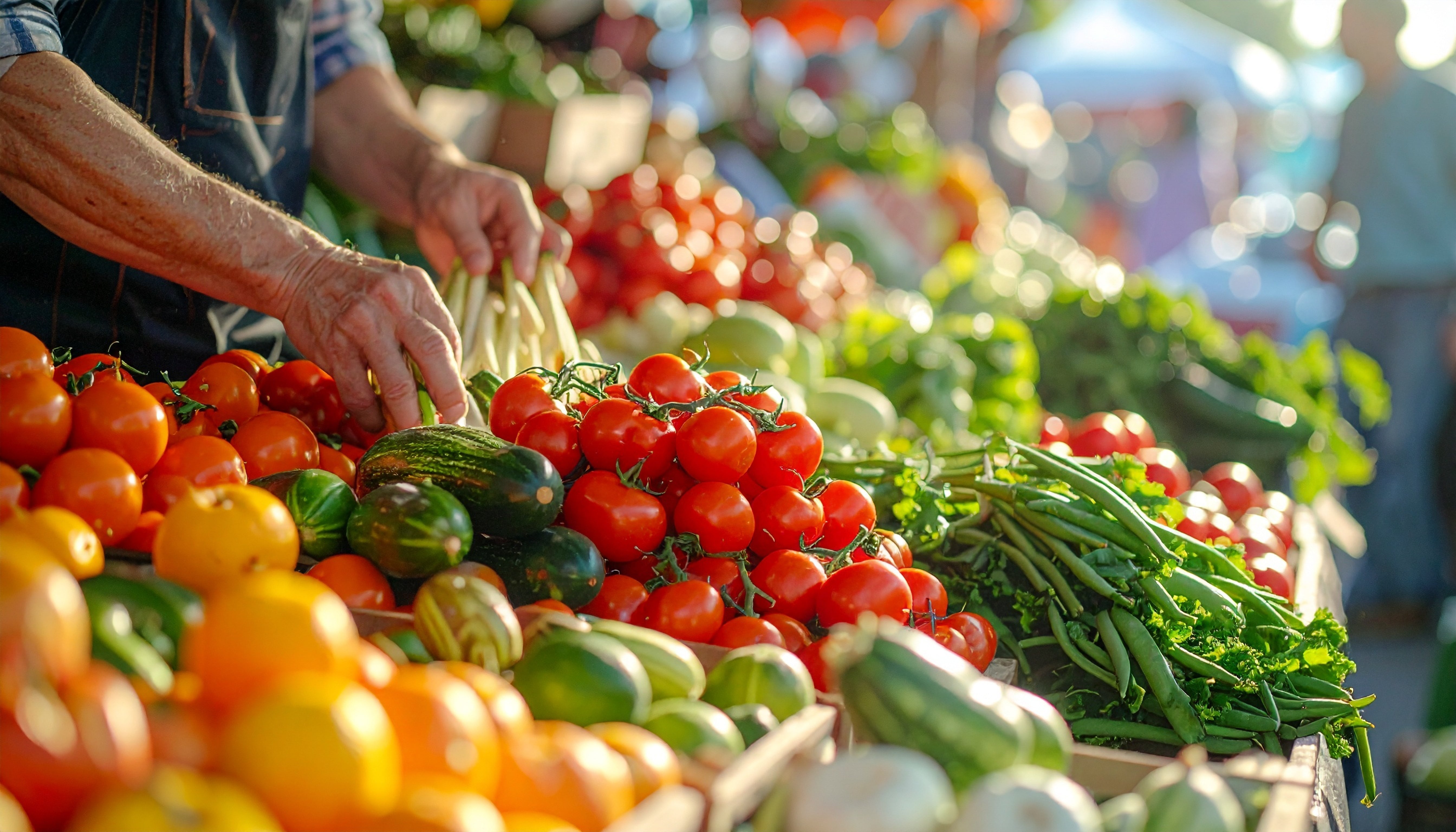
A productive garden can go from a few ripe vegetables to more food than your household can eat in a surprisingly short time.
Tomatoes ripen together. Green beans seem to double overnight. Zucchini grows faster than you can give it away. Berries, herbs, peppers, corn, peas, and leafy greens may all be ready within the same few weeks.
Freeze drying gives gardeners a practical way to preserve that abundance without filling every shelf with canning jars or every corner of the freezer with bags of produce.
You can freeze dry fruits, vegetables, herbs, sauces, and even complete meals made from your garden harvest. Once preserved, that food can become snacks, ingredients, seasonings, and meals you can enjoy throughout the year.
This guide covers how to prepare your harvest, which garden foods freeze dry well, how to organize batches, and how to package and use your food after it's freeze dried.
Why Freeze Dry Your Garden Harvest?
When the garden is producing faster than you can eat or preserve it, freeze drying gives you another way to save the harvest.
It's also useful when you realize the produce you've already picked isn't going to get eaten before it spoils. Those extra tomatoes on the counter, berries in the refrigerator, or zucchini you haven't found a use for yet can still be preserved instead of going to waste.
Freeze drying can help you:
-
Preserve fruits and vegetables before they spoil
-
Keep homegrown foods available year-round
-
Make lightweight fruit and vegetable snacks
-
Preserve vegetables for soups, casseroles, and other meals
-
Save herbs before they fade or are lost to frost
-
Turn excess produce into powders and seasonings
-
Make the most of the time, money, and effort you've put into your garden
It also gives you flexibility in how you preserve the same crop.
Tomatoes, for example, can be freeze dried as slices or diced pieces, made into sauce or salsa first, or ground into tomato powder after drying. Berries can become snacks, smoothie ingredients, baking additions, or fruit powder.
You don't have to decide how you'll use every bit of your harvest right away.

Freeze Dry Produce Before It Spoils
You don't have to freeze dry produce immediately after picking it.
Freeze drying can be just as useful when you look at a basket of peaches, a refrigerator full of berries, or a pile of tomatoes and realize you aren't going to use them all in time.
As long as the produce is still safe to eat, it can be freeze dried. Produce doesn't need to look perfect, either. A misshapen tomato, oversized zucchini, or oddly shaped carrot can still be a great candidate for freeze drying.
Remove damaged portions when appropriate and discard produce that has spoiled or is no longer safe to eat.
Plan Ahead During Peak Harvest
When several crops start producing at once, deciding what needs attention first can make harvest season much easier.
Prioritize the Most Perishable Foods
Start with foods that won't keep as long, such as:
-
Berries
-
Leafy greens
-
Fresh herbs
-
Ripe tomatoes
-
Peas
-
Sweet corn
-
Cut or damaged produce
Foods such as winter squash, onions, root vegetables, and some varieties of apples generally give you more time when stored appropriately.
Pre-Freeze When the Garden Is Producing Faster Than You Can Freeze Dry
If your freeze dryer is already running when more produce is ready, you can prepare the next batch ahead of time.
Prepare the food, arrange it on an extra set of Harvest Right trays, and place the trays in your freezer. Once the food is frozen and your freeze dryer is available, the trays can go directly into the machine.
Pre-freezing can help you:
-
Keep prepared produce from spoiling while another batch is running
-
Prepare several batches ahead of time
-
Organize food during busy harvest days
-
Reduce the amount of freezing the machine needs to do at the beginning of the cycle
Pre-freezing isn't required. Your Harvest Right freeze dryer will freeze food as part of its automatic cycle.
How to Prepare Garden Produce for Freeze Drying
Preparation varies by food, but a few basic steps apply to most garden produce.
1. Wash and Prepare
Wash produce and remove soil, insects, and garden debris.
Don't use soap or household cleaners on fruits and vegetables.
Depending on the food, remove:
-
Stems
-
Woody ends
-
Pits
-
Cores
-
Damaged areas
-
Tough peels
2. Cut Food for How You Plan to Use It
Think ahead to what you might want to do with the food later.
You might prepare:
-
Fruit slices for snacks
-
Diced tomatoes for soup or sauce
-
Shredded zucchini for baking
-
Small florets for casseroles
-
Sliced peppers for meals
-
Purées for sauces or powders
Try to keep pieces relatively similar in size and thickness. Consistent preparation helps food dry more evenly and makes it easier to check the batch for complete dryness.
Foods with thicker skins or skins that can trap moisture need additional preparation. Blueberries, blackberries, cherries, grapes, and similar foods should be cut, pierced, or otherwise opened so moisture has a way to escape during freeze drying.

3. Blanch or Cook When Needed
Most foods don't need to be blanched before freeze drying.
Some foods do require additional preparation. Potatoes should be blanched or cooked before freeze drying. Raw potatoes can discolor and won't produce the same results as properly prepared potatoes.
Other vegetables may be blanched depending on the texture you want after rehydration, but blanching isn't a requirement for most garden produce.
How you prepare a vegetable can also depend on how you plan to use it later. Something you want as a crunchy freeze-dried snack may be prepared differently from something you intend to rehydrate and serve as a cooked side dish.
4. Load the Trays
Spread food across the trays and stay within the recommended capacity of your freeze dryer.
Pieces can touch, but avoid piling or mounding food above the height of the trays.
Popular Garden Foods to Freeze Dry
One of the advantages of freeze drying a garden harvest is the variety of foods you can preserve.
Tomatoes
Tomatoes can be freeze dried as slices, wedges, diced pieces, purée, sauce, or salsa.
Cut cherry and grape tomatoes so moisture can escape. Larger tomatoes can be sliced, diced, or cut into wedges.
Once freeze dried, tomatoes can be used in soups, chili, pasta sauce, casseroles, dips, and many other recipes.
They can also be ground into tomato powder, which is useful for sauces, soup bases, dry rubs, dips, and seasoning blends.
Green Beans
Wash and trim green beans, then leave them whole or cut them into the size you prefer.
Freeze-dried green beans can be eaten dry as a crunchy snack or used in soups, casseroles, stews, side dishes, and vegetable blends.
Corn
Remove corn kernels from the cob before freeze drying and spread them across the trays.
Freeze-dried corn can be eaten as a crunchy snack, added directly to soups and chowders, rehydrated for a side dish, or used in salsa, casseroles, and other recipes.
Peas
Shell peas and spread them across the trays.
Freeze-dried peas can be eaten as a crunchy snack or used in soups, pot pies, pasta, fried rice, casseroles, and vegetable blends.
Peppers
Bell peppers, jalapeños, poblanos, banana peppers, and many other varieties can be freeze dried.
Wash them, remove stems and seeds as desired, and cut them into pieces appropriate for later use.
Freeze-dried peppers work well in chili, omelets, salsa, soups, rice dishes, pasta, and seasoning powders.
Strong peppers are one of the foods you'll want to be more careful about combining with other foods. Their strong aroma can travel through the venting process during freeze drying, similar to the way you can smell peppers while they're cooking. That aroma and flavor can transfer to other foods.
For that reason, strong peppers are best processed in their own batch rather than with fruits or other mild foods. Onions can have a similar effect.
After freeze drying a particularly strong-smelling batch, give the freeze dryer chamber a thorough wipe-down before the next batch. Harvest Right also has cleaning recommendations for the chamber and vacuum pump oil after processing strong-smelling foods.
Wear gloves when handling hot peppers and avoid touching your face or eyes.
Zucchini and Summer Squash
If you've ever grown zucchini, you know how quickly a few plants can turn into more squash than you know what to do with.
Zucchini can be freeze dried as slices, cubes, shreds, purée, or as part of a prepared meal.
Use it later in soups, casseroles, pasta sauce, breads, muffins, side dishes, or vegetable powders.
If you regularly bake with shredded zucchini, consider portioning it according to your favorite recipes before freeze drying. That makes it easier to pull out exactly what you need later.
Potatoes
Potatoes should be blanched or cooked before freeze drying rather than freeze dried raw. Raw potatoes can oxidize and turn dark or black after they're cut. Blanching or cooking helps prevent this discoloration and produces better results after freeze drying.
They can be prepared as slices, cubes, shredded potatoes, mashed potatoes, or other cooked preparations depending on how you plan to use them later.
Freeze-dried potatoes can be rehydrated for side dishes or added to soups, stews, casseroles, and other meals.
Carrots
Wash and peel carrots if desired, then cut them into relatively uniform slices, pieces, or cubes.
Freeze-dried carrots can be eaten crunchy or used in soups, stews, pot pies, rice dishes, vegetable blends, and side dishes.
Broccoli and Cauliflower
Cut broccoli and cauliflower into relatively small, evenly sized florets.
They can be freeze dried for later use in soups, casseroles, pasta dishes, rice bowls, side dishes, or eaten dry as a crunchy snack.
Asparagus
Remove the woody ends and prepare asparagus in spears or pieces, depending on how you plan to use it.
Thin spears or evenly cut pieces generally dry more consistently than very thick stalks.
Freeze-dried asparagus can be used in soups, quiche, risotto, pasta, egg dishes, and side dishes.
Leafy Greens
Kale, spinach, Swiss chard, and other leafy greens can be freeze dried whole or in pieces.
Use them in smoothies, soups, sauces, egg dishes, pasta, and other recipes.
Leafy greens become very light and fragile after freeze drying, so handle them carefully when packaging.
Fresh Herbs
Freeze drying is an excellent way to preserve herbs that might otherwise wilt or be lost at the end of the growing season.
You can freeze dry:
-
Basil
-
Parsley
-
Cilantro
-
Dill
-
Mint
-
Oregano
-
Thyme
-
Rosemary
-
Sage
-
Chives
Freeze-dried herbs are extremely light and fragile. They can be stored whole and gently crumbled when you're ready to use them.
You can also powder herbs when you're ready to use them. If you do want to powder them before packaging, handle them carefully. Aggressive grinding in a food processor can create friction and heat, which can introduce moisture when you're trying to keep the food dry for storage.
Berries
Strawberries, raspberries, blueberries, blackberries, and other berries are popular foods to freeze dry.
They can be eaten as snacks or used in smoothies, cereal, yogurt, baking, desserts, and fruit powders.
Larger strawberries can be sliced. Blueberries, blackberries, and other berries with thicker skins or structures that can trap moisture should be cut, pierced, or otherwise opened before freeze drying so moisture can escape.
Tree Fruit and Grapes
Apples, peaches, pears, cherries, plums, apricots, nectarines, and grapes can all be freeze dried.
Remove pits and cores as needed and cut fruit into pieces appropriate for how you plan to use it.
Cherries, grapes, and other fruits with skins that hold moisture inside need to be cut or otherwise opened before freeze drying. When placing cut fruit on the trays, position it skin-side down with the cut or open side facing up. This gives moisture a more direct path out of the food during freeze drying.
Freeze-dried tree fruits and grapes can be eaten as snacks or used in cereal, oatmeal, baking, desserts, smoothies, and other recipes.

Can Different Garden Foods Be Freeze Dried Together?
Yes. You don't have to run a separate batch for every fruit or vegetable, and different foods don't need to be kept on separate trays.
Strawberries and pineapple, for example, can be freeze dried in the same batch and still retain their individual flavors. Many fruits and vegetables can be combined without their flavors transferring from one food to another.
Strong peppers and onions are notable exceptions. Because their strong aromas can travel through the venting process, they can transfer flavor and aroma to other foods.
In other words, strawberries and pineapple can make perfectly good batch partners. Strawberries and jalapeños probably shouldn't share a batch.
For mixed batches, it can still be helpful to:
-
Use relatively similar-sized pieces.
-
Consider grouping foods with similar moisture levels if you're looking for more consistent drying times.
-
Check the largest and thickest pieces carefully before packaging.
Harvest Right Tip
Most foods can be freeze dried together without exchanging flavors. Strong-smelling foods such as peppers and onions are exceptions and are best processed separately.
Some Foods Naturally Take Longer Than Others
Don't be surprised if one garden batch takes longer than another.
High-moisture foods such as tomatoes, watermelon, peaches, berries, and zucchini contain a lot of water for the freeze dryer to remove.
Dense or thick foods may also require more drying time than thin slices or lightweight herbs.
How to Tell When Garden Produce Is Completely Dry
Before packaging, make sure the food is completely dry.
Check several of the largest or thickest pieces from different trays. Break them open and inspect the centers rather than relying only on how the surface feels.
Look for:
-
Moisture
-
Cold spots in the center
-
Unusually soft areas
-
Areas that look or feel different from the surrounding dry food
Different foods have different textures when freeze dried. Many fruits and vegetables become crisp or brittle, but not every food will feel exactly the same.
You can also use a moisture meter for an additional check.
If you're uncertain, add more dry time and check the food again before packaging.
Package Your Harvest for How You Plan to Use It
How you package your garden harvest can depend on whether you're saving it for long-term storage or planning to eat it soon.
For Long-Term Storage
Once you've confirmed that the food is completely dry:
-
Place the freeze-dried food in appropriate airtight packaging.
-
Add an appropriately sized oxygen absorber.
-
Seal the package.
-
Label it.
-
Store it in a cool, dry place.
Mylar bags with oxygen absorbers are commonly used for long-term storage.
Because freeze-dried food readily absorbs moisture from the air, have your packaging ready and package food promptly after you've confirmed it's completely dry.
For Everyday Snacking
If you're planning to eat your freeze-dried strawberries, apples, green beans, corn, or other foods over a reasonable amount of time, a sealed jar can be a convenient option.
An oxygen absorber isn't necessary in a snack jar that will be opened repeatedly. Each time the jar is opened, new oxygen is introduced anyway.
Keep the lid closed tightly between uses. Freeze-dried food will absorb moisture from the air, particularly in humid conditions, and may begin to soften if the jar is left open for too long.
For food you're actively snacking on, however, a well-sealed jar can keep it ready to grab until you've finished it.
Label Food for How You'll Use It
At a minimum, label each package with the food inside and the date it was packaged.
You can keep it that simple. But for certain foods or recipes, adding a little more information can be helpful.
A good label can make your freeze-dried garden harvest much more useful months or years later.
In addition to the name and date, consider including information such as:
-
Variety
-
Preparation method
-
Whether the food was blanched or cooked
-
Amount or serving size
-
Rehydration directions
-
Intended recipe
Instead of simply labeling a package “Zucchini,” you might write:
Shredded zucchini — 2 cups before drying — zucchini bread
Or:
Roma tomatoes — diced — pasta sauce
A little extra information when you package the food can save a lot of guessing later.
Create Ready-to-Use Garden Blends
You don't have to store everything as individual ingredients.
Garden produce can also be combined into useful blends for future meals.
Soup Blend
Combine foods such as:
-
Carrots
-
Celery
-
Peas
-
Corn
-
Green beans
-
Onions
-
Herbs
Pasta Sauce Blend
Use:
-
Tomatoes
-
Peppers
-
Onions
-
Garlic
-
Basil
-
Oregano
Omelet Blend
Combine:
-
Peppers
-
Onions
-
Spinach
-
Tomatoes
-
Herbs
Smoothie Blend
Combine favorites such as:
-
Berries
-
Kale or spinach
-
Apples
-
Peaches
-
Other fruit
Garden Seasoning Powder
Freeze-dried tomatoes, garlic, onions, peppers, and other vegetables can be ground and combined into seasoning blends.
When creating mixes, package them in useful portions and include any preparation or rehydration directions on the label.
How to Use Freeze-Dried Garden Produce
Freeze-dried produce doesn't have to sit on a shelf waiting for an emergency. There are plenty of ways to use it in everyday meals.
Eat It Dry
Many fruits and vegetables make great crunchy snacks.
Try:
-
Strawberries
-
Apples
-
Berries
-
Peas
-
Corn
-
Bell peppers
-
Green beans
Because the moisture has been removed, many fruits and other foods have a more concentrated flavor when eaten freeze dried.
Add It Directly to Recipes
Freeze-dried produce can often be added directly to foods that already contain plenty of liquid, including:
-
Soups
-
Stews
-
Chili
-
Pasta sauce
-
Rice dishes
-
Casseroles
-
Oatmeal
-
Some baked goods
The food can absorb moisture as the dish cooks.
Rehydrate It Separately
When you want a softer texture or need the ingredient rehydrated before adding it to a recipe, add water separately.
Start with a reasonable amount of water and allow the food time to absorb it. Warm or hot water can help many foods rehydrate more quickly.
Add more water as needed rather than adding too much at once. If excess water remains after the food has rehydrated, drain it when appropriate.
Turn It Into Powder
Many freeze-dried fruits and vegetables can also be ground into powder.
Use powders in:
-
Seasoning blends
-
Soup bases
-
Sauces
-
Baking
-
Dips
-
Marinades
Tomato, pepper, greens, and fruit powders are especially versatile ways to use garden produce throughout the year.
Delicate herbs can also be powdered when you're ready to use them rather than before long-term storage.
Reduce Garden Waste
One of the biggest advantages of having a freeze dryer during garden season is being able to preserve food that might otherwise go unused.
Freeze drying can help you save:
-
Excess zucchini
-
Extra berries
-
Herbs before frost
-
Surplus tomatoes
-
Produce left after canning
-
Extra salsa or tomato sauce
-
Produce you realize you aren't going to use before it spoils
-
Complete meals made with garden produce
A bumper crop doesn't have to become a race to eat, give away, can, or freeze everything before it spoils.
And if produce has already been sitting on your counter or in your refrigerator for a while, that doesn't mean you've missed your chance. If it's still safe to eat, freeze drying can be a great way to save it.
Keep Track of What Works
If you freeze dry a lot of your garden harvest, keeping a few simple notes can be useful.
You don't need to keep detailed records for every batch. At a minimum, label each package with what's inside and the date it was packaged. That makes it much easier to identify and rotate your freeze-dried food later.
For foods you freeze dry regularly or when you're experimenting with something new, you may also find it helpful to record:
-
Food and variety
-
How you prepared it
-
Approximate amount loaded
-
Whether you blanched, cooked, or pre-froze it
-
Approximate batch time
-
How well it rehydrated
-
What you would do differently next time
Over time, those notes can help you learn which varieties you like best freeze dried, which preparation methods work well for your favorite recipes, and how much your household actually uses.
They may even help you decide what to plant more or less of next year.
At a minimum, label each package with the food inside and the date it was packaged.
You can keep it that simple. But for certain foods or recipes, adding a little more information can be helpful.
Common Garden Freeze-Drying Mistakes
Letting Produce Go to Waste
Don't assume it's too late to freeze dry produce just because it isn't freshly harvested. If it's still safe to eat but you know you won't use it before it spoils, freeze drying is a great way to save it.
Overloading the Trays
Stay within the recommended capacity of your freeze dryer and avoid piling food too high on the trays.
Using Pieces With Very Different Thicknesses
A thick piece can still contain moisture in the center even when thinner pieces are completely dry.
Forgetting to Open Foods With Thick Skins
Foods such as blueberries, cherries, grapes, and similar fruits need a way for moisture to escape. Cut, pierce, or otherwise open them before freeze drying.
Mixing Strong-Smelling Foods With Other Foods
Strong peppers and onions can transfer aromas and flavors during freeze drying. Process them separately from fruits and other foods that could pick up those flavors.
Packaging Before Checking for Dryness
Always check representative pieces from different trays before packaging. Pay particular attention to the largest and thickest pieces.
Waiting Too Long to Package
Freeze-dried food begins absorbing moisture from the air once it's exposed. Have your packaging ready and package food promptly after confirming it's completely dry.
Forgetting to Label the Food
It's much easier to identify and use your harvest when you know what it is, when it was preserved, and how you intended to use it.
Frequently Asked Questions
What garden vegetables freeze dry well?
Tomatoes, corn, peas, green beans, peppers, potatoes, carrots, broccoli, cauliflower, asparagus, onions, leafy greens, zucchini, summer squash, and many other vegetables can be freeze dried.
What fruits can I freeze dry from my garden or orchard?
Strawberries, raspberries, blueberries, blackberries, apples, peaches, pears, cherries, plums, apricots, nectarines, grapes, and many other fruits can be freeze dried. Fruits with thicker skins may need to be cut, pierced, or otherwise opened before freeze drying.
Can freshly harvested vegetables go directly into the freeze dryer?
Yes. Wash and prepare them as needed, load them onto the trays, and start the batch. Your Harvest Right freeze dryer will freeze the food as part of the cycle.
Does garden produce have to be freshly harvested to freeze dry it?
No. Freeze drying is also a great way to save produce that has been sitting in your refrigerator, pantry, or on the counter and needs to be used soon. As long as the food is still safe to eat, it can be freeze dried.
Do vegetables need to be blanched before freeze drying?
Most don't. Some foods do require additional preparation, however. Potatoes should be blanched or cooked before freeze drying. Other vegetables may be blanched depending on the texture and result you want after rehydration.
Do I need to pre-freeze garden produce?
No. Your Harvest Right freeze dryer freezes food as part of its automatic cycle. Pre-freezing is optional and can be especially useful when another batch is already running and you want to prepare your next trays ahead of time.
Can I freeze dry herbs from the garden?
Yes. Basil, parsley, cilantro, dill, mint, oregano, thyme, rosemary, sage, chives, and many other herbs can be freeze dried. Because they're extremely fragile after drying, handle them gently. They can be stored whole and crumbled or powdered when you're ready to use them.
Can I freeze dry more than one fruit or vegetable at a time?
Yes. Many different foods can be freeze dried together without exchanging flavors. Strawberries and pineapple, for example, can share a batch and retain their individual flavors. Strong peppers and onions are exceptions because their aromas and flavors can transfer to other foods.
Should I clean my freeze dryer after freeze drying peppers or onions?
Strong-smelling foods can leave aromas behind, so give the chamber a thorough wipe-down after the batch. Harvest Right also has recommendations for cleaning the chamber and vacuum pump oil after particularly strong-smelling foods.
How do I know when my garden produce is completely dry?
Check several of the largest or thickest pieces from different trays. Break them open and check the centers for remaining moisture, cold spots, or unusually soft areas. You can also use a moisture meter for an additional check. If you're uncertain, add more dry time before packaging.
Do I need an oxygen absorber if I put freeze-dried food in a jar for snacking?
Not if it's a snack jar you'll be opening regularly. Keep the jar tightly sealed between uses to limit exposure to moisture in the air. Oxygen absorbers are more useful when food is being sealed for long-term storage.
Can freeze-dried vegetables be eaten without rehydrating?
Yes. Many freeze-dried fruits and vegetables make great crunchy snacks. Corn, peas, peppers, green beans, berries, apples, and many other foods can be enjoyed directly from the package.
Is freeze drying useful for a small garden?
Absolutely. You don't need a huge harvest to benefit from freeze drying. Even a small garden can produce more herbs, tomatoes, berries, zucchini, or other foods than you can use while they're fresh.
Enjoy Your Garden Throughout the Year
A garden represents months of planning, planting, watering, weeding, harvesting, and care. Freeze drying gives you a way to keep enjoying the results long after the growing season ends.
Summer tomatoes can become winter pasta sauce. Fresh herbs can become pantry seasonings. Berries can become snacks and breakfast toppings. Extra vegetables can be ready for soups, casseroles, and everyday meals.
Prepare food for how you plan to use it, stay within the capacity of your freeze dryer, make sure everything is completely dry, and package it for how you plan to use it.
With a little planning, an overflowing garden doesn't have to become a race against spoilage. It can become food your family enjoys throughout the year.
Compartir:
Why Does My Freeze-Dried Food Taste Different?
How to Freeze Dry Like a Pro: 25 Tips for Better Results