

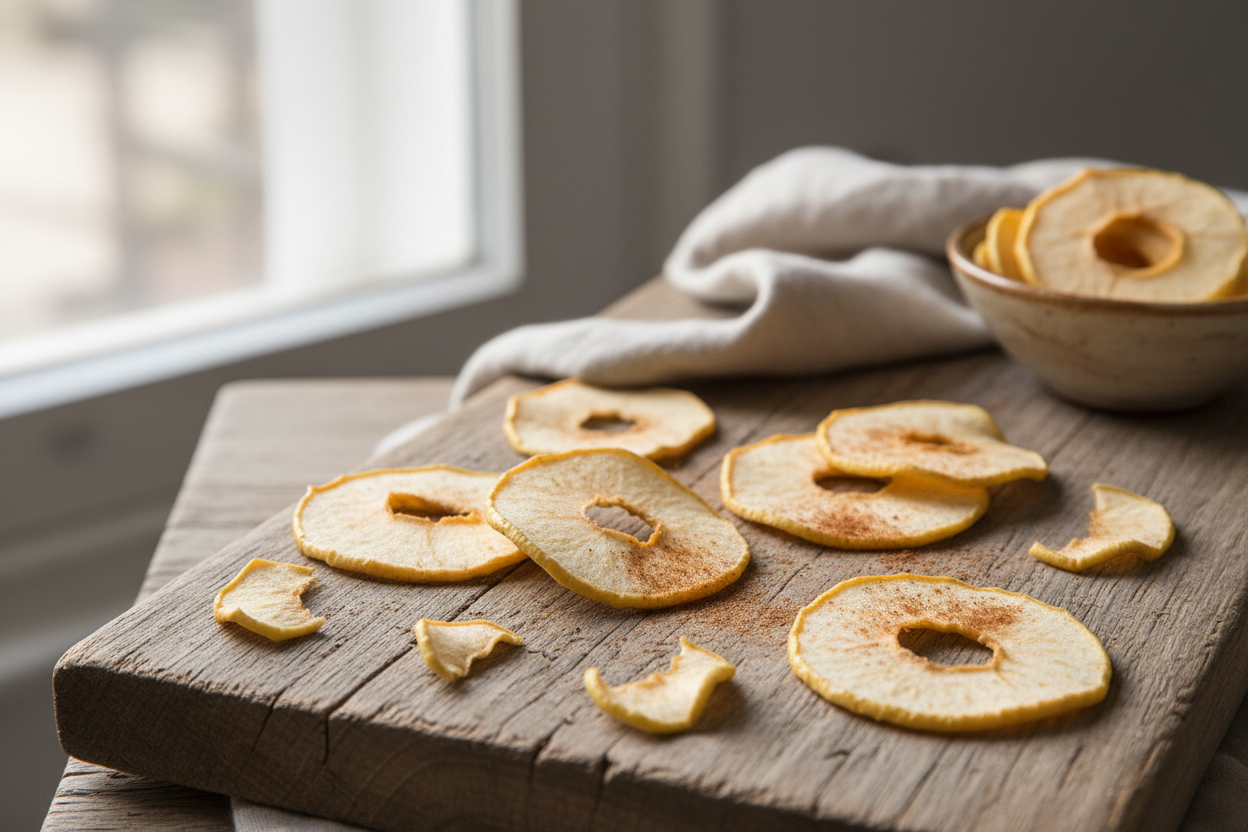
Understanding Flavor Changes After Freeze Drying
Freeze drying is one of the best ways to preserve the original flavor of food, but freeze-dried food won't always taste exactly the same as it did before it was dried.
In fact, many foods have a more intense or concentrated flavor after freeze drying. Removing the water leaves the food's flavors behind, which can make fruits, candies, and other foods taste stronger. At the same time, the change in texture can affect the overall eating experience.
For foods that are normally eaten with moisture, proper rehydration can help bring the flavor and texture closer to the original.
Quick Answer
Freeze-dried food may taste different because removing water changes both its texture and the way you experience its flavor. Many foods actually have a stronger, more concentrated flavor when eaten freeze dried.
Other factors that can affect how food tastes include:
-
Whether the food is eaten dry or rehydrated
-
The flavor, ripeness, and quality of the food before freeze drying
-
How the food was prepared
-
How well it was rehydrated
-
How it was packaged and stored
-
The amount of fat in the food
A difference in taste doesn't necessarily mean anything went wrong with the freeze drying process.

1. Removing Water Can Intensify Flavor
One of the most noticeable things about freeze-dried food is that many foods taste more intense after the moisture is removed.
Foods such as strawberries, pineapple, peaches, herbs, and candy can have a stronger or more concentrated flavor when eaten freeze dried. The water is gone, but the flavors remain, so each bite can deliver more flavor without the moisture that was originally present.
Texture also plays a role. A fresh strawberry is soft and juicy, while a freeze-dried strawberry is light and crisp. The flavor is still distinctly strawberry, but the combination of concentrated flavor and a completely different texture creates a new eating experience.
This is one reason many foods that are familiar when fresh become especially enjoyable as freeze-dried snacks.
2. Some Foods Are Great Eaten Freeze Dried
Many foods are commonly enjoyed directly from the package without adding water.
Examples include:
-
Strawberries
-
Apples
-
Pineapple
These foods develop a light, crisp texture, and their flavors may seem more concentrated after the moisture is removed.
Harvest Right Tip
Try foods both ways when it makes sense. You may discover that you prefer some foods crunchy and freeze dried, while others are better after rehydrating.
3. Some Foods Taste Better After Rehydrating
Complete meals and other foods that originally contained a significant amount of moisture are generally more familiar after water is added back.
Examples include:
-
Chili
-
Pasta dishes
-
Rice dishes
-
Stews
-
Casseroles
If too little water is added, the food may remain dry or dense and the flavor can seem overly concentrated. If too much water is added, the food can become watery and the flavor may seem diluted.
Start with a reasonable amount of water, allow the food time to absorb it, and add more as needed.
Warm or hot water can also help many prepared foods rehydrate more quickly and evenly.
4. The Flavor You Start With Matters
Freeze drying preserves the characteristics of the food you put into the freeze dryer. It doesn't turn an underripe, tart, or poor-quality food into something different.
For example, if a nectarine is tart before freeze drying, it will still be tart afterward. With the moisture removed, that tart flavor may even seem more concentrated. Likewise, a sweet, ripe nectarine will retain that naturally sweet flavor.
For the best results, choose foods at the ripeness and quality you want to enjoy later. Freeze drying does an excellent job of preserving food, but it doesn't improve the flavor of the food you start with.

5. Packaging and Storage Matter
Once freeze drying is complete, protecting the food from moisture and oxygen is important for maintaining its quality.
Food that is left exposed for too long before packaging can begin absorbing moisture from the air. Improperly sealed packaging or storage conditions can also affect quality and flavor over time.
For long-term storage, package completely dry food promptly in appropriate airtight packaging with an oxygen absorber and store it in a cool, dry place.
6. Foods With More Fat Can Change Over Time
Freeze drying removes water, but it doesn't remove fat.
Foods that contain significant amounts of fat may not store as long as lower-fat foods because fats can become rancid over time. If a stored freeze-dried food develops an unpleasant, stale, or rancid flavor or odor, don't assume that's simply how freeze-dried food is supposed to taste.
This is one reason the type of food and how it is stored matter when considering storage time.
If the Food Tastes Unexpectedly Different
A stronger or somewhat different flavor can be completely normal, particularly when food is eaten in its freeze-dried state.
But if the food tastes unpleasant or very different from what you remember, consider:
-
What did the food taste like before it was freeze dried?
-
Was it completely dry before packaging?
-
Was it packaged promptly and stored properly?
-
If it was rehydrated, did you add enough water and give it enough time?
-
Is it a higher-fat food that has been stored for an extended period?
Freeze drying preserves the food you start with. If something was tart, bitter, bland, or strongly flavored before freeze drying, you should expect those characteristics to remain afterward.
Frequently Asked Questions
Is it normal for freeze-dried food to taste different?
Yes. Freeze drying preserves much of the food's original flavor, but removing water changes its texture and can change how strongly you experience certain flavors. Many foods actually taste more intense when eaten freeze dried.
Why does freeze-dried fruit often taste more flavorful?
Removing the water can make the fruit's natural flavors and sugars seem more concentrated. Strawberries, pineapple, peaches, and other fruits can have a surprisingly intense flavor when eaten freeze dried.
Will freeze drying make tart or underripe fruit taste sweeter?
No. Freeze drying preserves the flavor of the food you start with. If a nectarine is tart before freeze drying, it will still be tart afterward, and the tartness may even seem more concentrated with the moisture removed.
Should I always rehydrate freeze-dried food?
No. Many fruits, snacks, desserts, and other foods are commonly eaten freeze dried. Complete meals, soups, pasta, rice dishes, and similar foods are generally more familiar when rehydrated.
Why doesn't my rehydrated meal taste exactly like it did before?
The amount of water used, water temperature, and the amount of time allowed for rehydration can all affect the finished texture and flavor. Try adding water gradually and giving the food enough time to absorb it.
Does packaging affect flavor?
Yes. Proper packaging helps protect freeze-dried food from moisture and oxygen, both of which can affect quality during storage.
Can fatty foods develop an off flavor?
Yes. Freeze drying removes water but not fat. Over time, fats can become rancid and create an unpleasant flavor or odor, particularly if the food isn't stored properly.
What if my freeze-dried food tastes bad rather than just different?
An unpleasant or off flavor isn't necessarily a normal result of freeze drying. Consider how the food tasted before drying, whether it was completely dry before packaging, how it was packaged and stored, and how long it has been stored.
Compartir:
Why Didn't My Food Freeze Properly?
Freeze Drying Your Garden Harvest