

Cómo liofilizar y rehidratar verduras
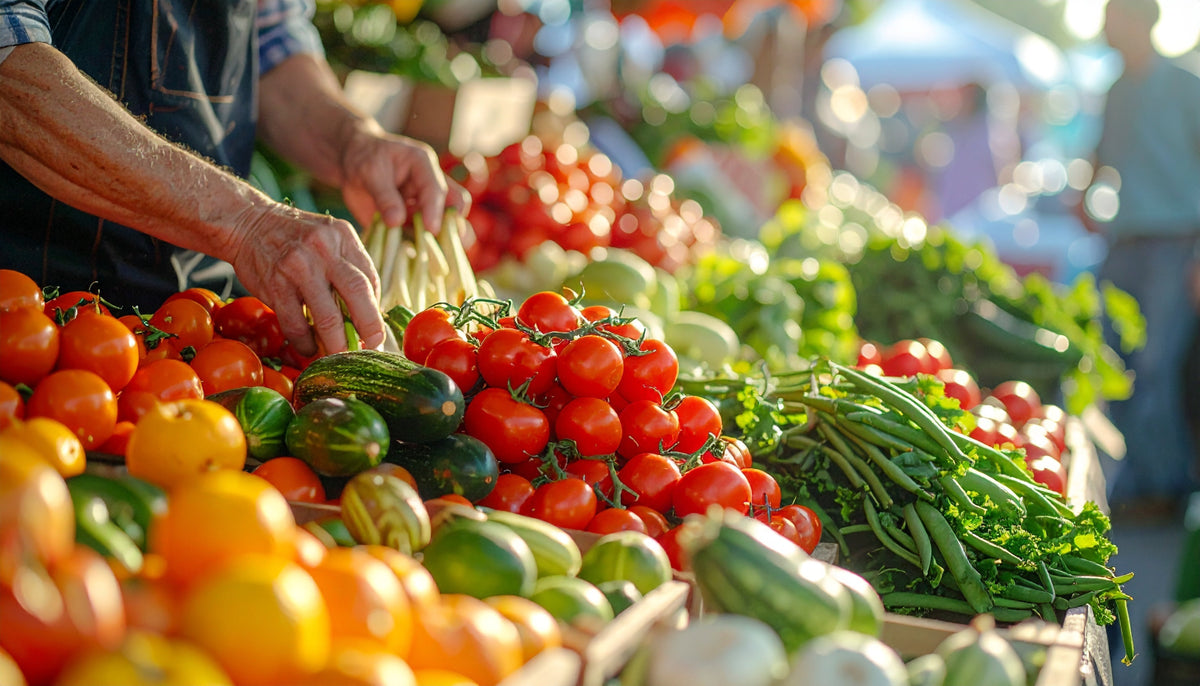
Las verduras frescas son uno de los mejores alimentos para conservar con un liofilizador Harvest Right. Ya sea que las coseche de su jardín, compre en un mercado de agricultores o se abastezca durante las rebajas de temporada, la liofilización le ayuda a disfrutar de sus verduras favoritas mucho después de que haya terminado su temporada de cosecha.
Una de las mayores ventajas de la liofilización es la flexibilidad. Las verduras se pueden disfrutar en su forma crujiente como aperitivos, o se pueden rehidratar y añadir a sopas, guisos, salteados, platos de pasta e infinidad de otras recetas.
En esta guía, aprenderá cómo preparar las verduras para la liofilización, cuándo se recomienda el blanqueo, las mejores formas de almacenarlas y cómo rehidratarlas para preparar deliciosas comidas.
¿Por qué liofilizar verduras?
Las verduras frescas son altamente nutritivas, pero muchas tienen una vida útil corta. La liofilización le permite conservarlas mientras ayuda a retener gran parte de su sabor, color y valor nutricional.
Los beneficios incluyen:
- Reducir el desperdicio de alimentos
- Conservar las cosechas del jardín
- Comprar productos de temporada y ahorrar dinero
- Crear ingredientes ligeros para acampar
- Crear una reserva de alimentos de emergencia
- Tener verduras listas para la cocina diaria
Tener una variedad de verduras en su despensa también hace que la preparación de comidas sea más rápida y cómoda.

Las mejores verduras para liofilizar
Casi todas las verduras se pueden liofilizar con éxito.
Las opciones populares incluyen:
- Brócoli
- Coliflor
- Judías verdes
- Guisantes
- Maíz
- Zanahorias
- Espárragos
- Pimientos
- Champiñones
- Espinacas
- Col rizada
- Coles de Bruselas
- Cebollas
- Apio
- Tomates
Diferentes verduras pueden requerir métodos de preparación ligeramente diferentes, pero el proceso general es similar.
¿Debe escaldar las verduras antes de liofilizarlas?
Para muchas verduras, sí.
El escaldado ayuda a preservar el color y la textura y puede mejorar la calidad de las verduras después de ser rehidratadas. Harvest Right recomienda escaldar las verduras si planea rehidratarlas más tarde.
Las verduras que suelen beneficiarse del escaldado incluyen:
- Brócoli
- Judías verdes
- Espárragos
- Coles de Bruselas
- Zanahorias
- Coliflor
- Guisantes
Algunas verduras, como las cebollas y los pimientos, suelen liofilizarse sin escaldar.
Cómo escaldar verduras
El proceso de escaldado es sencillo:
- Lleve una olla grande de agua a ebullición.
- Lave y prepare sus verduras.
- Escalde durante el tiempo recomendado según la verdura.
- Transfiéralas inmediatamente a un baño de hielo.
- Escurra bien y seque con palmaditas.
Enfriar las verduras rápidamente ayuda a detener el proceso de cocción y las prepara para la liofilización.
Preparación de verduras para la liofilización
Una buena preparación ayuda a asegurar un secado uniforme.
Para obtener los mejores resultados:
- Lave bien las verduras.
- Retire los tallos o las partes dañadas.
- Corte en trozos uniformes.
- Extienda en una sola capa sobre las bandejas.
- Evite el amontonamiento.
Los trozos uniformes permiten que la humedad salga de los alimentos de manera más uniforme durante el ciclo de liofilización.
Liofilización de sus verduras
Coloque las bandejas en su liofilizador Harvest Right y ejecute el ciclo apropiado.
Cuando el ciclo esté completo:
- Revise los trozos más gruesos para ver si queda humedad.
- Añada tiempo de secado adicional si es necesario.
- Deje enfriar las verduras antes de empaquetar.
Las verduras completamente secas deben sentirse crujientes en lugar de blandas o flexibles.

Cómo almacenar verduras liofilizadas
El empaquetado adecuado es esencial para el almacenamiento a largo plazo.
Para una vida útil más larga:
- Empaque inmediatamente después de enfriar.
- Utilice bolsas Mylar con absorbentes de oxígeno.
- Selle al vacío los frascos Mason para las verduras que utilizará regularmente.
- Almacene en un lugar fresco, seco y oscuro.
Mantener la humedad y el oxígeno alejados de sus verduras ayuda a preservar la calidad con el tiempo.
Cómo rehidratar verduras liofilizadas
La rehidratación es rápida y sencilla.
Para guarniciones
- Coloque las verduras en un bol.
- Cubra con agua caliente.
- Deje en remojo hasta que estén tiernas.
- Escurra y sazone al gusto.
Para cocinar
Muchas verduras se pueden añadir directamente a:
- Sopas
- Guisos
- Chili
- Salsas para pasta
- Salteados
- Platos de arroz
- Cacerolas
Absorberán naturalmente la humedad a medida que se cocinan, lo que las convierte en un ingrediente conveniente para las comidas diarias. Harvest Right también señala que muchas frutas y verduras son deliciosas incluso sin rehidratar, gracias a su textura crujiente.
Disfrútelas como aperitivos crujientes
Uno de los beneficios únicos de la liofilización es que muchas verduras saben muy bien sin rehidratar.
Los aperitivos crujientes populares incluyen:
- Maíz dulce
- Guisantes
- Tomates cherry
- Pimientos
- Judías verdes
- Floretes de brócoli
Su textura crujiente los convierte en una divertida alternativa a las patatas fritas tradicionales, a la vez que añaden variedad a las fiambreras, mochilas de senderismo y mezclas de aperitivos.
Consejos para los mejores resultados
Para verduras consistentemente excelentes:
- Liofilice los productos en su punto máximo de frescura.
- Escalde las verduras que se beneficien de ello.
- Corte las verduras en tamaños uniformes.
- No amontone las bandejas.
- Asegúrese de que estén completamente secas antes de empaquetar.
- Almacene inmediatamente después de enfriar.
Estas prácticas sencillas ayudan a maximizar el sabor, la textura y la vida útil.
Preguntas frecuentes
¿Se pueden liofilizar verduras crudas?
Sí. Muchas verduras se pueden liofilizar crudas, mientras que otras se benefician del escaldado antes de la liofilización para mejorar la textura después de la rehidratación.
¿Por qué se deben escaldar las verduras primero?
El escaldado ayuda a preservar el color y la textura y, a menudo, mejora la calidad de las verduras después de rehidratarse.
¿Es necesario rehidratar todas las verduras liofilizadas?
No. Muchas verduras, incluidos los guisantes, el maíz, los tomates y los pimientos, son deliciosas como aperitivos crujientes y no necesitan ser rehidratadas antes de comer.
¿Cuál es la mejor manera de rehidratar verduras?
Para la mayoría de las verduras, remojarlas en agua caliente durante varios minutos funciona bien. También puede añadirlas directamente a sopas, guisos, cacerolas y otras recetas donde absorberán naturalmente la humedad durante la cocción.
¿Qué verduras se liofilizan mejor?
El brócoli, las judías verdes, los guisantes, el maíz, las zanahorias, los espárragos, los pimientos, las cebollas y los tomates se encuentran entre las opciones más populares porque conservan un excelente sabor y son fáciles de usar en una variedad de recetas.
Disfrute de verduras frescas del jardín durante todo el año
La liofilización facilita el disfrute de los sabores de sus verduras favoritas mucho después de que haya terminado la temporada de cultivo. Ya sea que las coma directamente de la despensa o las rehidrate para sopas, guisos y cenas familiares, las verduras bien preparadas brindan comodidad, versatilidad y valor a largo plazo.
Al comenzar con productos frescos, prepararlos cuidadosamente y almacenarlos correctamente, siempre tendrá verduras nutritivas listas para todo, desde comidas rápidas entre semana hasta viajes de campamento y almacenamiento de alimentos de emergencia.
Compartir:
Golosinas Liofilizadas
Bocadillos Liofilizados para Después de Clase