

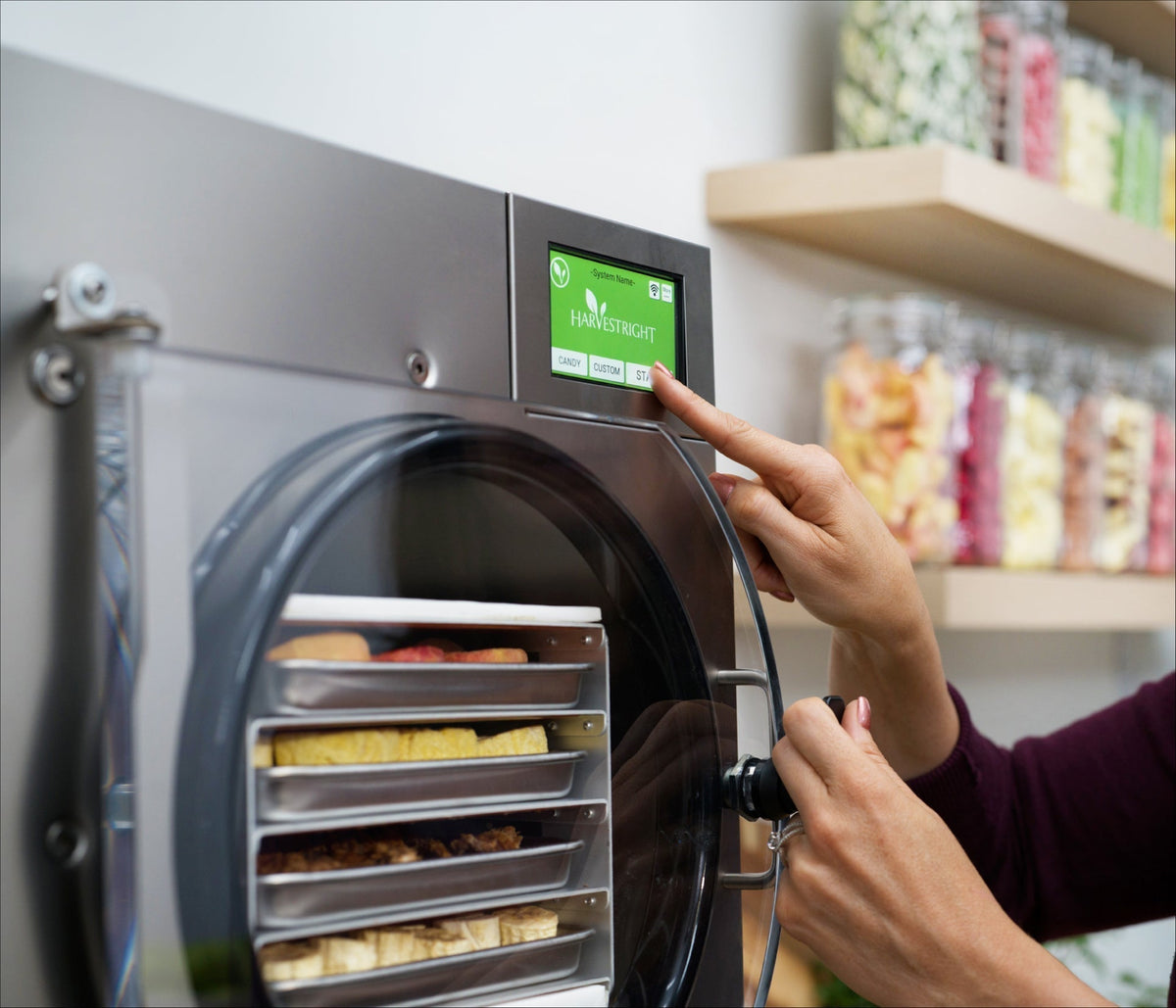
La liofilización es uno de los métodos más efectivos para conservar alimentos para uso futuro. Al eliminar la humedad de los alimentos congelados mediante un proceso llamado sublimación, la liofilización ayuda a conservar muchos alimentos manteniendo gran parte de su estructura, sabor y versatilidad originales.
Hoy en día, la liofilización es utilizada por familias, jardineros, entusiastas del aire libre, productores caseros, investigadores y empresas por muchas razones diferentes. Algunas personas la utilizan para preservar cosechas de temporada, preparar comidas con antelación, reducir el desperdicio de alimentos o crear almacenamiento de alimentos a largo plazo. Otros simplemente disfrutan de tener ingredientes convenientes y aperitivos caseros disponibles durante todo el año.
Esta guía explica qué es la liofilización, cómo funciona, por qué se ha vuelto cada vez más popular y cómo Harvest Right ha ayudado a que este método de conservación sea accesible para los usuarios domésticos.
Respuesta rápida
La liofilización conserva los alimentos primero congelándolos y luego eliminando el hielo a través de un proceso llamado sublimación. En lugar de derretirse en agua líquida, el hielo cambia directamente a vapor de agua dentro de un ambiente de vacío controlado.
Debido a que gran parte de la estructura del alimento permanece intacta durante este proceso, muchos alimentos liofilizados pueden rehidratarse más tarde para cocinar, mientras que otros pueden disfrutarse como bocadillos ligeros y crujientes.
La conservación de alimentos ha ayudado a las personas a reducir el desperdicio y extender la utilidad de los alimentos durante siglos.
Los métodos tradicionales como el secado, la fermentación, el ahumado, la congelación y el enlatado resuelven diferentes desafíos de conservación. La liofilización es una de las adiciones más recientes a esa historia, combinando la tecnología moderna con un objetivo simple: eliminar la humedad mientras se conserva la mayor parte posible de la calidad y utilidad de los alimentos.
Aunque la liofilización se ha utilizado en aplicaciones comerciales y científicas durante décadas, los avances tecnológicos han hecho posible que individuos y familias utilicen el mismo principio de conservación en casa.
Hoy en día, los liofilizadores domésticos permiten a las personas conservar desde frutas y verduras frescas hasta comidas completas, haciendo de la liofilización una opción cada vez más popular para jardineros, preparadores de comidas, entusiastas del aire libre y cualquiera que busque reducir el desperdicio de alimentos o construir una despensa bien surtida.
Comprender cómo funciona la liofilización es el primer paso para decidir si es el método de conservación adecuado para sus objetivos.
¿Qué es la liofilización?
La liofilización es un método de conservación de alimentos que elimina la humedad de los alimentos congelados.
A diferencia de la deshidratación, que elimina la humedad utilizando aire cálido y circulante, la liofilización comienza congelando los alimentos. El agua congelada se elimina luego mediante sublimación, un proceso en el que el hielo cambia directamente a vapor de agua sin convertirse primero en líquido.
Debido a que el alimento permanece congelado durante gran parte del proceso de secado, muchos alimentos mantienen su forma y estructura generales de manera más efectiva que con otros métodos de conservación.
El resultado son alimentos que son:
-
Ligeros
-
Estables en almacenamiento cuando se empaquetan correctamente
-
Fáciles de almacenar
-
Convenientes para transportar
-
Adecuados para muchas aplicaciones de cocción futuras
Una de las mayores fortalezas de la liofilización es su versatilidad. Una amplia variedad de frutas, verduras, carnes, productos lácteos, postres y comidas completas pueden conservarse para uso futuro.
¿Por qué la gente liofiliza alimentos?
La gente elige la liofilización por muchas razones diferentes. Ya sea para conservar una cosecha del jardín, reducir el desperdicio de alimentos, preparar comidas para acampar o construir una despensa a largo plazo, la liofilización ofrece flexibilidad para muchos estilos de vida diferentes.
Las razones comunes por las que la gente elige la liofilización incluyen:
-
Guardar las sobras antes de que se echen a perder
-
Preparar comidas caseras para acampar
-
Crear aperitivos saludables
-
Reducir el desperdicio de alimentos en el hogar
-
Conservar comidas familiares completas
-
Construir una despensa bien organizada
-
Disfrutar de comidas favoritas durante todo el año
No importa la razón, la liofilización proporciona una flexibilidad que se adapta a muchos estilos de vida diferentes.
Consejo de Harvest Right
Una de las mejores maneras de empezar con la liofilización es conservar los alimentos que su familia ya disfruta comiendo.
En lugar de experimentar con recetas desconocidas, empiece con las frutas, verduras o comidas favoritas que prepara regularmente. Los alimentos conocidos facilitan el reconocimiento de resultados exitosos y la construcción de confianza a medida que aprende el proceso de liofilización.
¿En qué se diferencia la liofilización de la congelación?
Esta es una de las preguntas más comunes que hace la gente.
Aunque ambos métodos comienzan congelando los alimentos, producen resultados muy diferentes.
La congelación tradicional conserva los alimentos solo mientras permanecen congelados. Si el congelador pierde energía o los alimentos se descongelan, su vida útil cambia significativamente.
La liofilización elimina la mayor parte de la humedad de los alimentos congelados. Una vez que los alimentos están correctamente empaquetados, ya no dependen de la congelación continua para su almacenamiento.
Esa diferencia hace que la liofilización sea útil para aplicaciones donde el almacenamiento a largo plazo, la portabilidad y la conveniencia son importantes.
¿En qué se diferencia la liofilización de la deshidratación?
Ambos métodos de conservación eliminan la humedad, pero lo hacen de manera diferente.
La deshidratación elimina la humedad utilizando aire cálido y circulante.
La liofilización elimina el agua congelada mediante sublimación.
Debido a que los procesos de conservación son diferentes, los alimentos terminados también difieren en varios aspectos importantes, incluyendo:
-
Textura
-
Apariencia
-
Rehidratación
-
Estructura del alimento
-
Usos típicos
Ningún método es universalmente mejor.
En cambio, cada uno crea alimentos con características diferentes que los hacen adecuados para distintas situaciones.
Si está decidiendo entre los dos métodos, lea nuestra guía Liofilización vs. Deshidratación: ¿Qué método de conservación de alimentos es el adecuado para usted? para una comparación detallada.
Por qué la liofilización se ha vuelto más popular
El interés en la liofilización ha crecido rápidamente en los últimos años a medida que más personas buscan formas prácticas de reducir el desperdicio de alimentos, preservar las cosechas de temporada, preparar comidas con anticipación y mantener un mayor control sobre los alimentos que consumen.
Los jardineros domésticos pueden conservar el excedente de productos.
Las familias pueden guardar las sobras.
Los entusiastas del aire libre pueden preparar comidas ligeras.
Las pequeñas empresas pueden explorar productos alimenticios especializados.
Al poner la tecnología de liofilización a disposición para uso doméstico, Harvest Right ha ayudado a expandir el acceso a un método de conservación que antes estaba limitado principalmente a entornos comerciales e industriales.
Consejo de Harvest Right
Piense más allá de los ingredientes individuales.
Muchas personas comienzan liofilizando frutas o verduras, pero las comidas completas pueden ser igual de gratificantes. Preparar una receta familiar favorita hoy puede hacer que las cenas futuras entre semana, los viajes de campamento o la planificación de comidas de emergencia sean mucho más convenientes.
Consideraciones finales
La liofilización es un método de conservación versátil que permite a las personas conservar una amplia variedad de alimentos para uso futuro.
Al eliminar la humedad de los alimentos congelados mediante sublimación, la liofilización crea alimentos que son ligeros, convenientes y adecuados para muchas aplicaciones diferentes, desde refrigerios caseros hasta comidas completas.
Ya sea que su objetivo sea reducir el desperdicio de alimentos, conservar una cosecha del jardín, preparar comidas con anticipación o construir una despensa bien surtida, la liofilización le brinda la flexibilidad para preservar una notable variedad de alimentos para uso futuro.
Comprender cómo funciona la liofilización es el primer paso para decidir si es el método de conservación de alimentos adecuado para sus necesidades.
Puntos clave
-
La liofilización elimina la humedad de los alimentos congelados mediante sublimación.
-
Difiere tanto de la congelación tradicional como de la deshidratación.
-
Muchos alimentos mantienen su estructura y versatilidad después de la liofilización.
-
La liofilización apoya una amplia gama de objetivos de conservación, desde la preparación de comidas hasta el almacenamiento a largo plazo.
-
Harvest Right ha ayudado a llevar la tecnología de liofilización a las cocinas domésticas, haciendo que este método de conservación sea accesible para más familias y entusiastas de la conservación de alimentos.
Preguntas frecuentes
¿Es lo mismo liofilizar que deshidratar?
No. La liofilización elimina el agua congelada mediante sublimación, mientras que la deshidratación elimina la humedad utilizando aire caliente y circulante. Cada método produce resultados diferentes.
¿Qué alimentos se pueden liofilizar?
Muchas frutas, verduras, carnes, productos lácteos, postres y comidas completas se pueden liofilizar con éxito. Algunos alimentos requieren preparación adicional, lo que cubriremos en guías dedicadas.
¿Se pueden comer alimentos liofilizados sin añadir agua?
Sí. Muchas frutas y aperitivos liofilizados se disfrutan tal cual, mientras que otros alimentos están destinados a ser rehidratados antes de cocinar o servir.
¿La liofilización es solo para el almacenamiento de alimentos de emergencia?
No. Muchas personas utilizan la liofilización para la preparación diaria de comidas, la conservación de cosechas del jardín, la reducción del desperdicio de alimentos, la elaboración de aperitivos y la preparación de comidas para acampar.
¿Por qué la gente elige los liofilizadores Harvest Right?
Harvest Right llevó la tecnología de liofilización a las cocinas domésticas, haciendo posible que individuos y familias conserven una amplia variedad de alimentos por sí mismos. Muchos usuarios aprecian la flexibilidad de conservar los alimentos que ya disfrutan en lugar de depender solo de productos preparados comercialmente.
¿Pueden los principiantes aprender a liofilizar?
Absolutamente. Comenzar con alimentos conocidos, seguir buenas prácticas de preparación y aprender un lote a la vez ayuda a los nuevos usuarios a ganar confianza rápidamente.
Compartir:
¿Qué alimentos son mejores para liofilizar y deshidratar?
¿Qué alimentos se pueden liofilizar?