

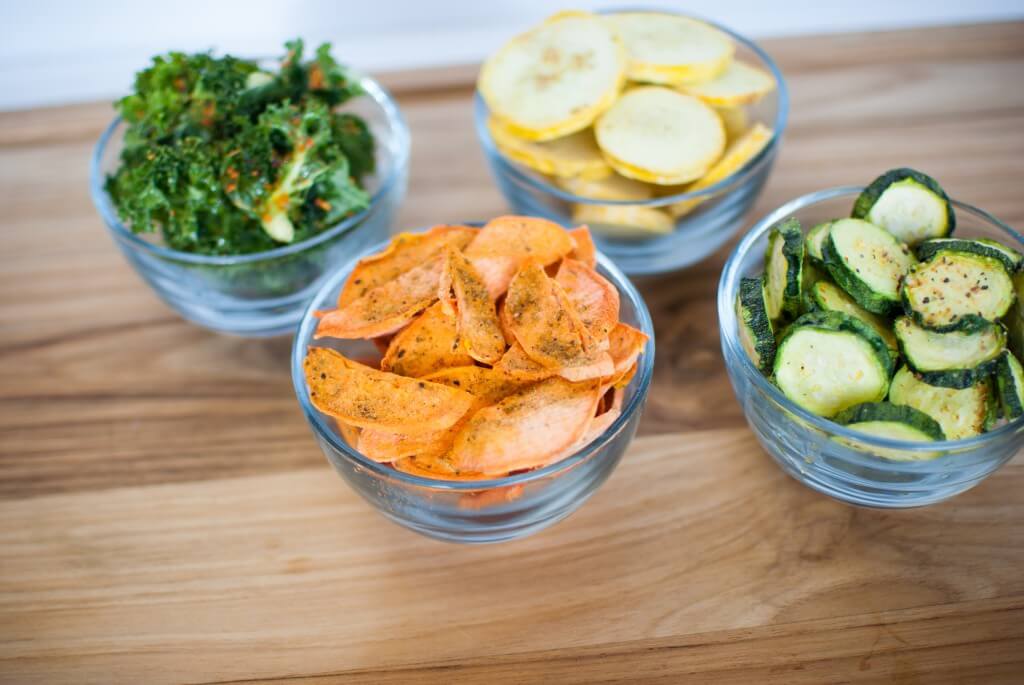
If you're looking for the most versatile way to preserve a large garden harvest, freeze drying has some clear advantages.
It works with a wide variety of vegetables, creates lightweight food that can be stored without refrigeration when packaged appropriately, and gives you plenty of options later. Freeze-dried vegetables can be eaten as snacks, rehydrated, added directly to soups and meals, or ground into powders.
But that doesn't mean you should freeze dry everything you grow.
Some vegetables are easy to freeze. Herbs are inexpensive to dehydrate. Potatoes, onions, and winter squash may store well without much processing at all. And if you want tomato sauce, salsa, or fermented cabbage, canning or fermentation may give you exactly the result you're looking for.
So the better question isn't whether one preservation method beats every other method.
It's which preservation method gives you the most flexibility across your garden harvest, and when does another method make more sense?
For gardeners who preserve a large amount and variety of food, freeze drying is hard to beat for versatility.
The Short Answer
There are several good ways to preserve garden vegetables:
-
Freeze drying is the most versatile option when you want to preserve a wide variety of foods for extended shelf-stable storage and have plenty of options for using them later.
-
Freezing is simple and familiar when you have enough freezer space and plan to use the food relatively soon.
-
Canning is useful for shelf-stable foods such as tomato sauce, salsa, and other foods with tested canning recipes.
-
Dehydrating is inexpensive and particularly useful for herbs, peppers, powders, and other foods that work well dried.
-
Fermenting makes sense when you specifically want fermented foods such as sauerkraut or fermented pickles.
-
Cool storage is hard to beat for vegetables that naturally keep well under the right conditions.
You don't necessarily have to choose just one.
A productive garden may give you tomatoes, peppers, onions, potatoes, corn, peas, green beans, squash, herbs, and leafy greens. The best preservation plan may use several methods while relying on freeze drying for the broadest range of the harvest.

How Do the Main Vegetable Preservation Methods Compare?
|
Method |
Especially Useful For |
Main Advantage |
Main Limitation |
|
Freeze Drying |
A wide variety of vegetables, long-term storage, meals, snacks, and powders |
Versatile, shelf-stable, lightweight, and easy to use in different ways later |
Higher upfront equipment cost |
|
Freezing |
Vegetables you'll use relatively soon |
Simple and familiar |
Requires freezer space and continuous electricity |
|
Canning |
Sauces, salsa, and vegetables with tested canning methods |
Shelf-stable without refrigeration |
More labor-intensive, requires correct recipes and processing, and changes the texture of many foods |
|
Dehydrating |
Herbs, peppers, onions, garlic, tomatoes, and powders |
Inexpensive and compact |
Texture and rehydration can vary considerably |
|
Fermenting |
Cabbage, cucumbers, peppers, and other suitable vegetables |
Creates distinctive fermented foods |
Changes the flavor and characteristics of the food |
|
Cool Storage |
Potatoes, onions, garlic, winter squash, and some root vegetables |
Requires very little processing |
Limited to crops and environments suited to storage |
Looking across the entire garden is where the versatility of freeze drying becomes especially apparent.
A dehydrator may be ideal for your herbs. A pressure canner may be exactly what you want for certain vegetables. A cool storage area may handle your winter squash beautifully.
A freeze dryer, however, can preserve many different types of garden produce in one machine.
Why Freeze Drying Works So Well for Gardeners
Gardens don't usually produce food in neat amounts according to your schedule.
When a garden hits peak production, you may suddenly have tomatoes, zucchini, corn, peppers, green beans, berries, herbs, and other foods ready at the same time.
That's where preservation capacity and flexibility become particularly valuable.
Freeze drying can help you preserve:
-
Fruit and berries
-
Sauces
-
Soups
-
Complete meals made with garden produce
The finished food can then be used in different ways.
Freeze-dried vegetables can often be eaten dry, rehydrated, added directly to soups and other recipes, or ground into powders.
You're not necessarily deciding exactly how you'll use every vegetable at the moment you harvest it.
That flexibility can be especially valuable when you're preserving a large and varied harvest.
Freeze Drying Doesn't Depend on Freezer Space
Freezing is one of the simplest ways to preserve vegetables, but eventually you run into a practical limitation:
freezer space.
A large garden harvest can fill a freezer quickly.
And once food is frozen, it continues to depend on freezer space and electricity for as long as you store it.
Freeze-dried food doesn't require refrigeration after it has been dried and packaged for storage. That can free up freezer space for foods you prefer to keep frozen while moving other parts of the harvest into shelf-stable storage.
For gardeners already struggling to find room for another bag of green beans or container of tomatoes, that can be a significant advantage.
Freeze-Dried Vegetables Are Lightweight and Easy to Store
Removing water dramatically reduces the weight of food.
That can make freeze-dried vegetables convenient for:
-
Pantry storage
-
Long-term food storage
-
Camping
-
Backpacking
-
Hunting trips
-
Travel
-
Emergency food supplies
Compare that with storing dozens of glass canning jars or keeping several freezers filled and running.
Each preservation method has advantages, but the low finished weight of freeze-dried food gives it uses that many other methods don't offer as easily.
You Can Use Freeze-Dried Vegetables in Different Ways
One of the biggest advantages of freeze drying is what you can do with the food later.
Depending on the vegetable, you may be able to:
-
Eat it dry as a snack
-
Rehydrate it
-
Add it directly to soups or stews
-
Add it to casseroles and other meals
-
Grind it into powder
-
Use it as part of a complete freeze-dried meal
Peppers can become soup ingredients or powder.
Tomatoes can be rehydrated, added to recipes, or powdered.
Leafy greens can be preserved and later powdered for use in other foods.
Corn, peas, carrots, and other vegetables can be added to soups and meals.
That versatility is difficult to get from a single traditional preservation method.
When Does Freezing Make More Sense?
Sometimes freezing is all you need.
If you already have plenty of freezer space, expect to use the food relatively soon, and like cooking with frozen vegetables, freezing can be simple and effective.
Common examples include:
-
Peas
-
Corn
-
Green beans
-
Broccoli
-
Cauliflower
-
Carrots
-
Spinach and other greens
-
Peppers
Many vegetables should be blanched before freezing to help slow enzyme activity that can affect flavor, color, and texture during storage.
The main tradeoff is that the food continues to occupy freezer space and depend on electricity until you're ready to use it.
When Does Canning Make More Sense?
Canning is particularly useful when you want a specific shelf-stable finished food.
Your tomato harvest is a good example.
You may want to turn tomatoes and peppers into:
-
Tomato sauce
-
Salsa
-
Other tested canned tomato products
If that's how you ultimately want to use the food, canning it in that form may make perfect sense.
Canning also changes the texture of foods because of the heat used during processing. Sometimes that's exactly what you want. Other times, preserving more of the food's original texture may be important to you.
Canning does require careful attention to food safety. Most vegetables are low-acid foods and require appropriate processing methods. Always use a current, scientifically tested recipe and the correct canning procedure for the food you're preserving.

When Does Dehydrating Make More Sense?
Dehydrating is inexpensive and works extremely well for certain foods.
It's particularly useful for:
-
Herbs
-
Peppers
-
Onions
-
Garlic
-
Tomatoes
-
Mushrooms
-
Vegetable powders
If your primary goal is to dry a season's worth of herbs, you probably don't need to buy a freeze dryer solely to accomplish that.
Dehydration can also create foods and textures that are different from what you get with freeze drying. Fruit leather and beef jerky are good examples. Sometimes that different result is exactly what you want.
The tradeoff is that heat and prolonged drying can change the texture, appearance, and flavor of foods, and rehydration results vary.
When Does Fermentation Make More Sense?
Sometimes preservation isn't about keeping a vegetable as close as possible to its original form.
Sometimes you want to transform it.
That's what fermentation does.
Cabbage can become sauerkraut. Cucumbers can become fermented pickles. Carrots, peppers, radishes, and other vegetables can also be fermented.
If that's the food you want to make, fermentation isn't really competing with freeze drying. You're intentionally creating a different food.
Some Vegetables May Not Need Much Processing at All
Before you preserve everything coming out of your garden, remember that some crops naturally store well.
Depending on the variety and storage conditions, that can include:
-
Potatoes
-
Onions
-
Garlic
-
Winter squash
-
Pumpkins
-
Carrots
-
Beets
-
Cabbage
Temperature, humidity, ventilation, and crop condition all matter.
If your winter squash can store successfully for months with little effort, there may be no reason to immediately process all of it.
You can always preserve some now and keep some in appropriate storage for use over the coming months.
What About Nutrient Retention?
Preservation methods affect nutrients differently depending on the food, nutrient, temperature, processing time, oxygen exposure, and storage conditions.
Freezing generally retains nutrients well when food is properly prepared and stored.
Freeze drying also tends to preserve many heat-sensitive qualities well because much of the moisture removal occurs at relatively low temperatures.
Canning uses substantial heat, which can reduce some heat-sensitive vitamins. Dehydration can also affect heat-sensitive nutrients depending on the food and drying conditions.
There isn't one simple percentage that accurately describes nutrient retention for every food and every preservation method.
Related Learning Center guide: Does Freeze Drying Remove Nutrients?
What About Cost?
Freeze drying has a higher upfront cost than most other home preservation methods.
If you already own a freezer, freezing may require little additional equipment. Dehydrators are relatively inexpensive, and canning equipment also has a comparatively low upfront cost.
A home freeze dryer is a larger initial investment, but its value can build over years of use.
Think about what happens when your garden produces more tomatoes, zucchini, corn, berries, or other foods than you can eat before they spoil. Preserving that food means more of what you grew actually gets eaten instead of going to waste.
And the savings don't have to stop with your garden.
A freeze dryer can also help you take advantage of:
-
Meat, produce, eggs, and other foods when they're on sale
-
Bulk purchases
-
Seasonal foods when they're plentiful and less expensive
-
Leftovers and extra portions from meals
-
Foods you might otherwise buy already freeze dried
-
Snacks, camping meals, and pet treats you might otherwise purchase
Buying more of something when the price is good only saves money if you can use it before it goes bad. Freeze drying gives you a way to extend the value of those purchases far beyond the week you bought them.
Over time, the value of food you preserve instead of wasting, along with foods you buy on sale or in bulk instead of purchasing later at a higher price, can help offset the initial cost of the freeze dryer.
And unlike equipment purchased only for garden season, a freeze dryer can be useful throughout the year for:
-
Fruit
-
Vegetables
-
Meat
-
Eggs
-
Dairy
-
Complete meals
-
Leftovers
-
Bulk food purchases
-
Snacks
-
Pet treats
The more food you preserve and the more consistently you use your freeze dryer, the greater the opportunity for that initial investment to pay you back over time.

A Productive Garden Doesn't Have to Use Just One Method
Suppose your garden gives you 40 pounds of tomatoes.
You don't have to decide that all 40 pounds will be preserved the same way.
You might:
-
Eat some fresh
-
Make and safely can tomato sauce
-
Make salsa
-
Freeze some for cooking
-
Dehydrate some
-
Freeze dry some for longer-term storage
-
Turn some into powder
-
Give some away
You can do the same thing across the rest of your garden.
Freeze broccoli for meals you'll eat soon. Store onions and winter squash. Dehydrate herbs. Can tomato sauce and salsa. Ferment cabbage.
Then use your freeze dryer for the foods you want to keep shelf-stable, lightweight, versatile, and ready to use in a variety of ways later.
So, What Is the Best Way to Preserve Garden Vegetables?
If you're looking for the most versatile preservation method across a large and varied garden harvest, freeze drying is difficult to beat.
It works with a wide range of foods. It doesn't require freezer space after the food is packaged for storage. The finished food is lightweight. It can be stored for extended periods, and many foods can later be eaten dry, rehydrated, added to recipes, or turned into powders.
Just as importantly, your freeze dryer doesn't stop being useful when garden season ends.
You can use the same machine throughout the year for fruit, meat, eggs, dairy, meals, leftovers, bulk purchases, snacks, pet treats, and more.
That doesn't mean every tomato needs to be freeze dried or that you should stop canning salsa, dehydrating herbs, or storing winter squash.
Use those methods where they make sense.
But if you want one preservation method that gives you the greatest flexibility across your garden and well beyond it, freeze drying offers an exceptionally versatile solution.
Frequently Asked Questions
What is the best way to preserve a large garden harvest?
For a large and varied harvest, freeze drying is one of the most versatile options because it works with many different foods and creates shelf-stable, lightweight food that can be used in several ways later. You can also combine it with freezing, canning, dehydrating, fermenting, and cool storage depending on the food.
Is freeze drying better than freezing vegetables?
Freeze drying has advantages when you want shelf-stable food that doesn't require freezer space or continuous electricity during storage. Freezing is simpler and may make more sense for vegetables you expect to use relatively soon and have room to keep frozen.
Is freeze drying better than dehydrating vegetables?
Freeze drying and dehydrating remove moisture differently and produce different results. Dehydrating is inexpensive and works particularly well for herbs and certain foods. Freeze drying is more versatile across a wider range of foods and is particularly useful when long-term storage and rehydration are priorities.
Can all garden vegetables be freeze dried?
Many garden vegetables freeze dry very well, but preparation varies by food. Some vegetables should be cut, blanched, cooked, or otherwise prepared before freeze drying.
Do vegetables need to be blanched before freeze drying?
Many vegetables benefit from blanching, but preparation depends on the specific vegetable. Potatoes should be blanched to help prevent oxidation and darkening, while some vegetables may not require blanching.
Can I freeze dry vegetables from my garden together?
Yes, but foods with similar moisture content and drying times are generally easier to process together. Also consider strong flavors and aromas. You probably don't want onions or jalapeños sharing a batch with foods that could pick up those flavors.
Is a freeze dryer worth it just for a garden?
That depends on how much food you grow and preserve. Someone with a small garden may be well served by freezing, canning, dehydrating, or storing produce fresh. A freeze dryer becomes more compelling when you're preserving a large harvest and will also use it throughout the year for other foods.
Compartir:
How to Prepare Food for Freeze Drying: Cutting, Pre-Freezing, Blanching & Tray Loading
The Freeze Dryer Protein Hack: How to Pack More Protein Into Your Day