

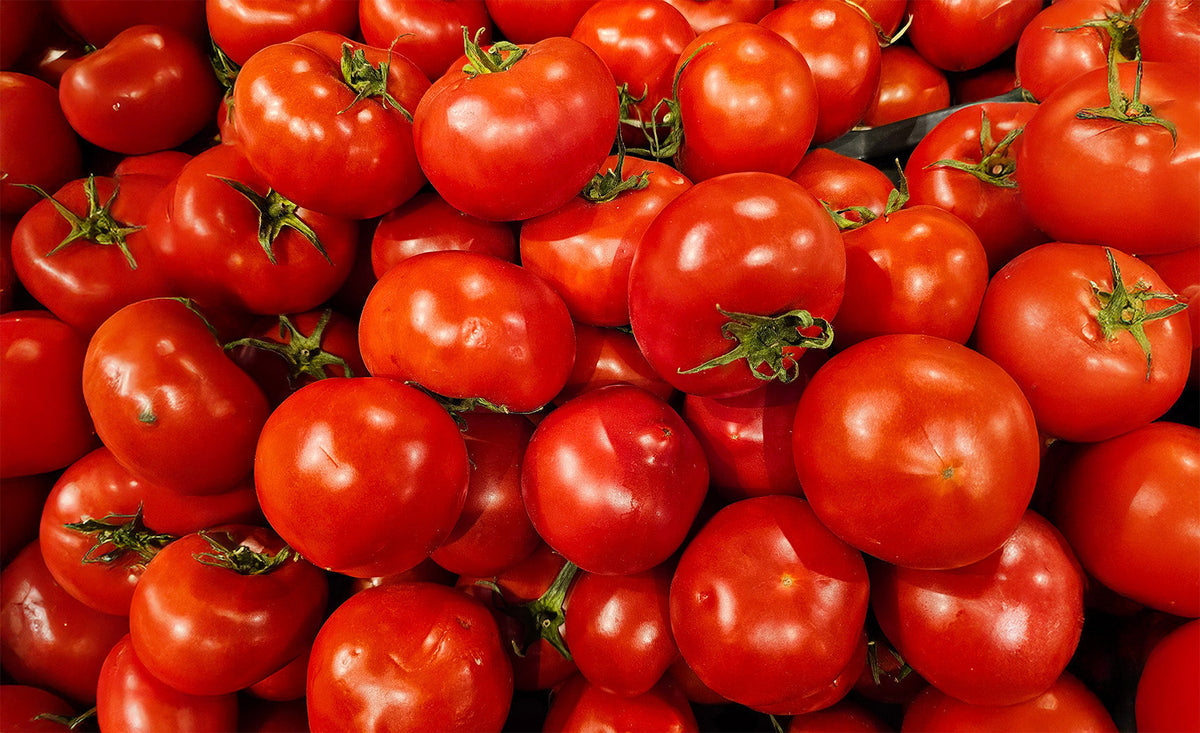
A productive garden can go from a few ripe vegetables to more food than your household can eat in a surprisingly short time.
Tomatoes ripen together. Green beans seem to double overnight. Zucchini grows faster than you can give it away. Berries, herbs, peppers, corn, peas, and leafy greens may all reach their peak within the same few weeks.
Freeze drying helps gardeners by giving them a practical way to preserve that abundance without filling every shelf with canning jars or every corner of the freezer with bags of produce.
By preparing and freeze drying fruits, vegetables, herbs, and complete garden-based meals, you can enjoy your harvest throughout the year while reducing food waste and making the most of the time, money, and effort invested in your garden.
This guide explains how to organize your harvest, prepare different types of produce, plan efficient batches, package the finished food, and use it in meals long after the growing season ends.
Why Freeze Dry a Garden Harvest?
Freshly harvested produce is at its best for only a limited time. Even when stored carefully, some fruits and vegetables begin losing quality within days.
Freeze drying helps you:
-
Preserve more of a large harvest
-
Reduce garden food waste
-
Keep homegrown ingredients available year-round
-
Create lightweight snacks
-
Prepare vegetables for soups and casseroles
-
Preserve herbs before they flower or fade
-
Build a pantry with foods you grew yourself
It also provides more flexibility than preserving every food in the same way. Tomatoes can become slices, powder, sauce, or soup ingredients. Berries can remain whole, become smoothie mixes, or be ground into baking powder. Herbs can be stored whole or turned into seasoning blends.

Start with Produce at Peak Quality
Freeze drying preserves the food you put into the machine. It does not improve produce that is overripe, moldy, badly bruised, or already deteriorating.
For the best results, use fruits and vegetables that are:
-
Freshly harvested
-
Ripe but not spoiled
-
Firm and flavorful
-
Free from mold
-
Free from insect damage
-
Washed and properly prepared
Slightly imperfect produce can still be useful if damaged areas are removed. A misshapen tomato or oversized zucchini may not look ideal at the table, but it can still become an excellent freeze-dried ingredient.
Discard food that shows signs of decay, mold, or unsafe contamination.
Plan the Harvest Before It Overwhelms You
The easiest time to make a preservation plan is before the busiest part of harvest season.
Create a Weekly Harvest List
Write down what is currently producing and what is likely to ripen next.
For example:
-
Tomatoes
-
Green beans
-
Zucchini
-
Peppers
-
Corn
-
Berries
-
Herbs
-
Peas
-
Carrots
-
Apples
This helps you decide which foods need immediate attention and which can wait.
Prioritize the Most Perishable Foods
Process foods with the shortest fresh shelf life first.
These often include:
-
Berries
-
Leafy greens
-
Fresh herbs
-
Ripe tomatoes
-
Peas
-
Sweet corn
-
Cut or damaged produce
Root vegetables, winter squash, onions, and some apples usually give you more time, provided they are stored correctly.
Pre-Freeze Produce Between Batches
When several crops are ready at once, prepare and pre-freeze them on trays or baking sheets until space is available in the freeze dryer.
Pre-freezing can help you:
-
Prevent freshly harvested food from spoiling
-
Organize ingredients by batch
-
Keep trays ready to load
-
Handle peak harvest days more efficiently
Transfer pre-frozen food carefully and keep it frozen until it is loaded into the freeze dryer.
Best Garden Foods to Freeze Dry
Many common garden crops freeze dry well.
Tomatoes
Tomatoes can be preserved as:
-
Slices
-
Halves
-
Diced pieces
-
Purée
-
Sauce
-
Salsa
-
Tomato powder
Cherry and grape tomatoes should be cut so moisture can escape. Larger tomatoes can be sliced or diced.
Freeze-dried tomatoes are useful in:
-
Soups
-
Pasta sauce
-
Chili
-
Casseroles
-
Seasoning blends
-
Sandwiches and salads after rehydration
Tomato powder is especially versatile. Add it to sauces, soup bases, dry rubs, dips, and bread dough.
Green Beans
Wash, trim, and cut green beans into uniform pieces.
Blanching is often helpful when you want a more traditional cooked texture after rehydration. After blanching, cool the beans quickly in ice water and drain thoroughly.
Use freeze-dried green beans in:
-
Soups
-
Casseroles
-
Side dishes
-
Stews
-
Vegetable blends
Corn
Corn can be freeze dried on or off the cob, but removing the kernels usually makes drying, packaging, and later use easier.
Freeze-dried sweet corn can be:
-
Eaten as a crunchy snack
-
Added directly to soup
-
Rehydrated as a side dish
-
Mixed into salsa
-
Used in chowder
-
Added to cornbread or casseroles

Peas
Peas are one of the easiest garden vegetables to preserve.
After shelling, prepare them according to your preferred method and arrange them in an even layer.
Freeze-dried peas are useful in:
-
Soups
-
Pot pies
-
Pasta
-
Fried rice
-
Vegetable blends
-
Snack mixes
Peppers
Bell peppers, jalapeños, poblanos, banana peppers, and other varieties can all be freeze dried.
Wash them, remove unwanted stems and seeds, and cut them into pieces appropriate for later use.
Freeze-dried peppers work well in:
-
Chili
-
Omelets
-
Salsa
-
Soups
-
Rice
-
Pasta
-
Seasoning powders
Wear gloves when handling hot peppers, and avoid touching your face or eyes.
Zucchini and Summer Squash
Zucchini is one of the most productive garden vegetables and one of the easiest to end up wasting.
Prepare it as:
-
Slices
-
Cubes
-
Shreds
-
Purée
-
Cooked meal components
Use freeze-dried zucchini in:
-
Soups
-
Casseroles
-
Pasta sauce
-
Breads and muffins
-
Vegetable powder
-
Side dishes
Shredded zucchini can be portioned for specific baking recipes before freeze drying.

Carrots
Wash, peel if desired, and cut carrots into uniform slices or cubes.
Blanching may improve their color and rehydrated texture.
Use them in:
-
Soups
-
Stews
-
Pot pies
-
Rice dishes
-
Vegetable blends
-
Side dishes
Broccoli and Cauliflower
Cut the heads into small, evenly sized florets.
Blanching is generally helpful when the vegetables will later be rehydrated and cooked.
Freeze-dried broccoli and cauliflower are useful for:
-
Soups
-
Casseroles
-
Pasta dishes
-
Rice bowls
-
Vegetable powders
-
Crunchy snacks
Asparagus
Choose fresh, tender spears and remove the woody ends.
Thinner spears or evenly cut pieces generally dry and rehydrate more consistently than very thick stalks.
Use freeze-dried asparagus in:
-
Soups
-
Quiche
-
Risotto
-
Pasta
-
Egg dishes
-
Side dishes
Leafy Greens
Kale, spinach, Swiss chard, and other greens can be freeze dried and stored whole or ground into powder.
Use them in:
-
Smoothies
-
Soups
-
Sauces
-
Egg dishes
-
Pasta
-
Homemade greens powder
Leafy greens are light after drying, so handle and package them carefully to prevent crushing.
Fresh Herbs
Freeze drying is an excellent way to preserve herbs that may otherwise wilt before you can use them.
Good options include:
-
Basil
-
Parsley
-
Cilantro
-
Dill
-
Mint
-
Oregano
-
Thyme
-
Rosemary
-
Sage
-
Chives
Store herbs whole when possible and crush them shortly before use for stronger aroma and flavor.
Berries
Strawberries, raspberries, blueberries, blackberries, and other berries can become:
-
Snacks
-
Baking additions
-
Cereal toppings
-
Fruit powders
-
Yogurt additions
Slice larger strawberries and inspect all berries carefully before placing them on the trays.
Tree Fruit
Depending on your garden or orchard, you may also freeze dry:
-
Apples
-
Peaches
-
Pears
-
Cherries
-
Plums
-
Apricots
Cut fruit into uniform pieces and treat varieties that brown quickly according to your preferred preparation method.
Should Garden Vegetables Be Blanched First?
Some vegetables benefit from blanching before freeze drying, particularly when you want them to rehydrate with a cooked texture.
Blanching may help:
-
Preserve color
-
Slow enzyme activity
-
Improve texture after rehydration
-
Prepare dense vegetables more evenly
Vegetables that commonly benefit include:
-
Green beans
-
Broccoli
-
Cauliflower
-
Carrots
-
Asparagus
-
Peas
-
Brussels sprouts
Other foods, such as peppers, onions, tomatoes, herbs, and many fruits, are often freeze dried without blanching.
Preparation depends on the food and how you plan to use it. A vegetable intended as a crunchy snack may be prepared differently from the same vegetable intended for soup or a side dish.
How to Prepare Garden Produce
Step 1: Harvest and Sort
Separate produce into groups:
-
Eat fresh
-
Freeze dry
-
Can or ferment
-
Give away
-
Compost
This prevents damaged or overripe food from being mixed with produce intended for long-term storage.
Step 2: Wash Carefully
Rinse away soil, insects, and garden debris using safe produce-handling practices.
Do not use soap or household cleaners on fruits and vegetables.
Pay extra attention to:
-
Leafy greens
-
Broccoli
-
Cauliflower
-
Berries
-
Root vegetables
-
Produce harvested close to the soil
Step 3: Trim and Inspect
Remove:
-
Stems
-
Woody ends
-
Pits
-
Cores
-
Damaged areas
-
Insect-damaged portions
-
Tough peels when appropriate
Step 4: Cut Uniform Pieces
Even sizing promotes more consistent drying.
Choose the cut based on future use:
-
Slices for snacks
-
Cubes for soup
-
Shreds for baking
-
Small florets for casseroles
-
Powders for seasoning
-
Purées for sauces and smoothie mixes
Step 5: Blanch When Appropriate
Blanch vegetables that benefit from the process, then cool them promptly in an ice bath.
Drain thoroughly before arranging them on trays.
Step 6: Arrange in an Even Layer
Spread produce across each tray without creating thick piles.
Pieces may touch, but avoid dense mounds that can prevent uniform drying.
Stay within the recommended tray capacity for your freeze dryer.

Can Different Garden Foods Be Freeze Dried Together?
Different fruits and vegetables may sometimes be processed in the same batch when their preparation and drying needs are compatible.
For easier packaging and more predictable results:
-
Keep each food on a separate tray.
-
Avoid mixing foods with strong odors and delicate flavors.
-
Use similarly sized pieces.
-
Check the densest and thickest foods carefully.
-
Label trays if several varieties look similar after drying.
Strong-smelling foods such as onions, garlic, and hot peppers may be better processed separately from delicate fruits or mild vegetables.
Very watery foods may also require more time than leafy herbs or thin slices.
Organize Batches by Moisture and Density
Grouping similar foods can make harvest processing more efficient.
High-Moisture Produce
Examples include:
-
Tomatoes
-
Watermelon
-
Peaches
-
Berries
-
Zucchini
These may require more drying time.
Dense Vegetables
Examples include:
-
Carrots
-
Potatoes
-
Beets
-
Thick asparagus
-
Large broccoli stems
Cut them into smaller, uniform pieces and check the centers carefully.
Lightweight Foods
Examples include:
-
Herbs
-
Leafy greens
-
Thin pepper slices
-
Small peas
These may dry more quickly and should be handled carefully after processing.
How to Tell When Produce Is Completely Dry
Before packaging, check the thickest pieces from different areas of each tray.
Properly freeze-dried produce should generally be:
-
Dry throughout
-
Crisp or brittle
-
Free from cold centers
-
Free from soft or flexible areas
-
Easy to break, crumble, or crush when appropriate
Some high-sugar fruits may feel slightly different from low-sugar vegetables, so do not rely on surface texture alone. Break open the thickest pieces and inspect the center.
Add additional drying time whenever you are uncertain.
Package the Harvest Promptly
Freeze-dried foods absorb moisture readily from the air.
Once the batch is complete:
-
Verify that every food is fully dry.
-
Allow food to cool only as needed.
-
Place it into appropriate packaging.
-
Add oxygen absorbers when required for your storage method.
-
Seal the package.
-
Label it immediately.
-
Move it to a cool, dry, dark storage location.
For long-term storage, Mylar bags with appropriately sized oxygen absorbers are commonly used.
For foods you plan to use regularly, vacuum-sealed jars can make pantry access easier.
What to Put on the Label
Every package should include:
-
Food name
-
Variety, if useful
-
Harvest or packaging date
-
Preparation method
-
Whether it was blanched
-
Serving size
-
Rehydration directions
-
Intended recipe, if pre-portioned
Examples:
-
“Shredded zucchini—2 cups before drying—for zucchini bread”
-
“Roma tomatoes—diced—for pasta sauce”
-
“Green beans—blanched—for casserole”
-
“Strawberries—sliced—for snacks”
-
“Soup vegetable blend—one family serving”
Detailed labels make the food much more useful later.
Create Ready-to-Cook Garden Blends
Instead of packaging every ingredient separately, consider making recipe-ready blends.
Soup Blend
Combine separately prepared:
-
Carrots
-
Celery
-
Peas
-
Corn
-
Green beans
-
Onions
-
Herbs
Pasta Sauce Blend
Prepare:
-
Tomatoes
-
Peppers
-
Onions
-
Garlic
-
Basil
-
Oregano
Omelet Blend
Combine:
-
Peppers
-
Onions
-
Spinach
-
Tomatoes
-
Herbs
Smoothie Blend
Use:
-
Berries
-
Kale or spinach
-
Apples
-
Peaches
-
Other favorite fruit

Garden Seasoning Powder
Grind combinations of:
-
Tomatoes
-
Garlic
-
Onion
-
Celery
-
Peppers
-
Herbs
Package blends in recipe-sized portions and include preparation directions on the label.
How to Use Freeze-Dried Garden Produce
Eat It Dry
Many fruits and vegetables make excellent crunchy snacks.
Try:
-
Strawberries
-
Apples
-
Peas
-
Corn
-
Bell peppers
-
Green beans
-
Berries
Add It Directly to Cooking
Freeze-dried produce can often be added directly to:
-
Soups
-
Stews
-
Chili
-
Pasta sauce
-
Rice dishes
-
Casseroles
-
Oatmeal
-
Baked goods
The food absorbs moisture as the dish cooks.
Rehydrate It Separately
For side dishes or recipes requiring a softer texture:
-
Place the food in a bowl.
-
Add warm or cool water gradually.
-
Cover and allow it to rest.
-
Check the center.
-
Drain excess liquid if necessary.
-
Cook or season as desired.
Grind It into Powder
Powders are useful for:
-
Smoothies
-
Seasoning blends
-
Soup bases
-
Sauces
-
Baking
-
Natural food coloring
-
Dips
-
Marinades
Ways Freeze Drying Can Reduce Garden Waste
Freeze drying is especially useful for produce that might otherwise be discarded.
You can preserve:
-
Excess zucchini
-
Split tomatoes after damaged areas are removed
-
Herbs before frost
-
Small or oddly shaped vegetables
-
Extra berries
-
Produce left after canning
-
Cooked garden meals
-
Vegetable trimmings suitable for broth powder
-
Surplus salsa or tomato sauce
Good planning allows you to turn a short period of abundance into months of useful food.
A Simple Harvest-Season Workflow
Morning
-
Harvest while temperatures are cooler.
-
Sort and inspect produce.
-
Refrigerate delicate foods promptly.
Afternoon
-
Wash and prepare the highest-priority crops.
-
Blanch vegetables when needed.
-
Load trays or pre-freeze prepared food.
Evening
-
Start the next freeze-dryer batch.
-
Package the completed batch.
-
Update your harvest inventory.
-
Label and store all finished food.
A repeatable routine keeps large harvests manageable.
Keep a Freeze-Drying Harvest Log
Record:
-
Date
-
Food and variety
-
Fresh weight
-
Preparation method
-
Tray quantity
-
Blanching method
-
Approximate cycle details
-
Finished yield
-
Packaging method
-
Notes for next season
A simple log helps you learn:
-
Which varieties freeze dry best
-
How much fresh produce fits in a batch
-
Which cuts rehydrate most successfully
-
How much your household actually uses
-
What to plant more or less of next year
Common Harvest-Preservation Mistakes
Waiting Too Long
Produce that sits for several days may lose flavor, texture, and quality before preservation begins.
Overloading the Trays
Thick piles dry unevenly and make it harder to verify that food is finished.
Mixing Strong and Delicate Flavors
Onions or garlic may not be ideal batch partners for berries or mild fruits.
Skipping Blanching When Texture Matters
Some vegetables may not rehydrate as well when enzyme activity has not been addressed.
Packaging Food That Is Still Warm or Moist
Residual moisture can compromise the package.
Failing to Label Recipe Portions
A bag of unidentified green powder is much less useful six months later.
Growing More Than You Can Process
Freeze drying expands preservation capacity, but the garden should still be planned around the time, tray space, packaging supplies, and storage space available.
Frequently Asked Questions
What garden vegetables freeze dry best?
Tomatoes, corn, peas, green beans, peppers, carrots, broccoli, asparagus, onions, leafy greens, and many other vegetables can freeze dry well when properly prepared.
Can freshly harvested vegetables go directly into the freeze dryer?
Many can, but they should first be washed, inspected, trimmed, and cut appropriately. Some vegetables benefit from blanching before freeze drying.
Should vegetables be cooked before freeze drying?
It depends on the vegetable and intended use. Some are freeze dried raw, while others benefit from blanching or cooking, particularly when a softer rehydrated texture is desired.
Can I freeze dry herbs from the garden?
Yes. Basil, parsley, cilantro, dill, mint, oregano, thyme, rosemary, sage, and chives are all useful candidates.
Can I freeze dry more than one vegetable at a time?
Yes, when the foods have compatible drying needs. Keep them on separate trays and check the thickest pieces carefully before packaging.
How should freeze-dried garden produce be stored?
For long-term storage, use packaging that protects against moisture, oxygen, light, and heat. Mylar bags with oxygen absorbers are commonly used, while vacuum-sealed jars are useful for foods accessed regularly.
Can freeze-dried vegetables be eaten without rehydrating?
Many can. Peas, corn, peppers, tomatoes, and some green beans or broccoli can make enjoyable crunchy snacks.
Is freeze drying useful for small gardens?
Yes. Even a modest garden can produce more herbs, tomatoes, berries, or zucchini than a household can use at once. Freeze drying helps preserve small batches as well as large harvests.
Enjoy Your Garden Throughout the Year
The harvest season represents months of planning, planting, watering, weeding, and care. Preserving that food allows the work to continue paying off long after the garden has gone dormant.
Freeze drying can turn summer tomatoes into winter pasta sauce, fresh herbs into pantry seasonings, berries into breakfast toppings, and extra vegetables into ready-to-use soup blends.
The key is to begin with fresh produce, prepare each food for its intended use, organize compatible batches, confirm complete dryness, and package everything promptly.
With a little planning, an overflowing garden does not have to become a race against spoilage. It can become a pantry filled with food you grew yourself and can enjoy in every season.
Share:
How to Rehydrate Freeze-Dried Meals
Freeze Dried Snacks for Runners