

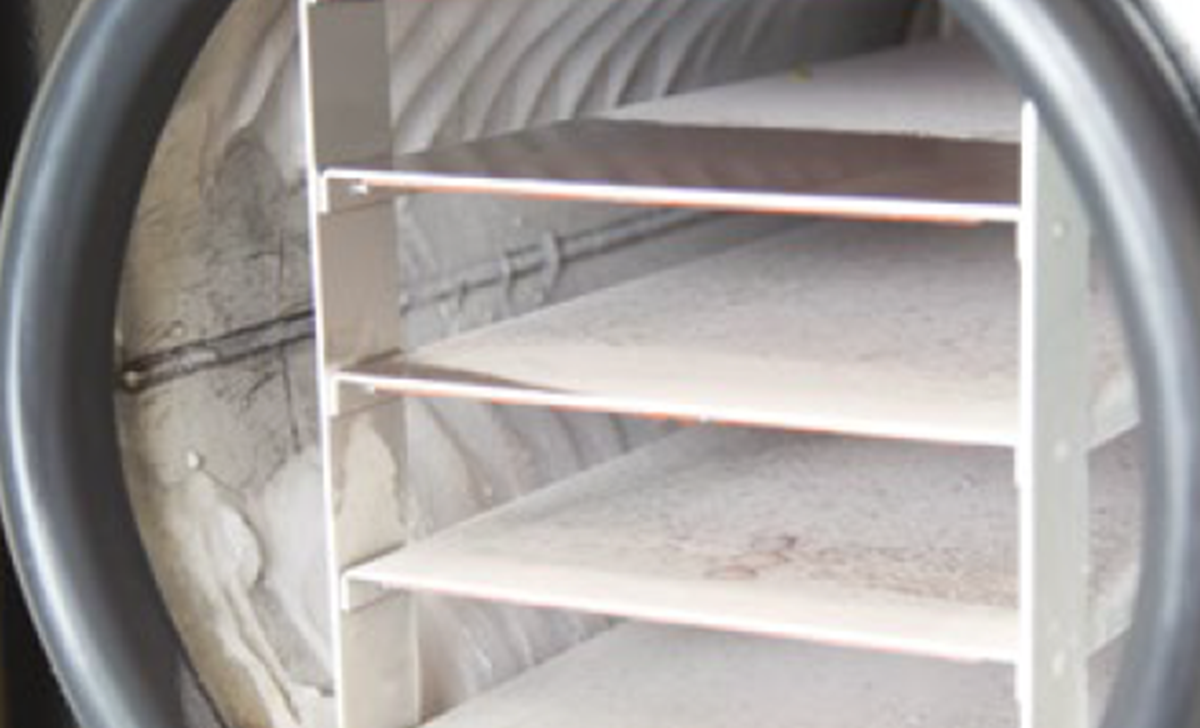
Understanding Ice Buildup During Freeze Drying
Seeing ice build up inside your freeze dryer can surprise new owners, but ice is a normal part of the freeze drying process.
As moisture is removed from frozen food, it travels as water vapor to the cold walls of the chamber, where it freezes and collects as ice. Depending on what you're freeze drying, some batches will produce much more ice than others.
Understanding why ice forms, what affects the amount of ice, and when excessive buildup may need attention can help you know what to expect from each batch.
Quick Answer
Ice buildup inside your freeze dryer is expected during normal operation. The ice you see is moisture that has been removed from your food and collected on the cold chamber walls.
The amount of ice depends on several factors, including:
-
The type of food being freeze dried
-
The moisture content of the food
-
The amount of food in the batch
-
How heavily the trays are loaded
High-moisture foods and larger batches naturally produce more ice. However, overloading the freeze dryer can create more ice than the chamber is designed to hold in a single batch and may prevent the cycle from finishing properly.

Why Ice Forms
Freeze drying removes water from frozen food through a process called sublimation.
During drying, frozen water in the food changes directly from ice into water vapor. That vapor travels away from the food and collects as ice on the cold walls of the freeze dryer chamber.
The ice you see after a batch is essentially the water that used to be in your food.
Because foods contain different amounts of water, the amount of ice left behind will vary from batch to batch.
1. High-Moisture Foods Produce More Ice
Some foods naturally contain much more water than others.
Examples include:
-
Watermelon
-
Strawberries
-
Tomatoes
-
Peaches
-
Soups
-
Stews
These foods can create noticeably more ice than foods with lower moisture content.
A large amount of ice after freeze drying high-moisture foods doesn't necessarily indicate a problem. It may simply mean the freeze dryer removed a large amount of water from the food.
Harvest Right Tip
Don't expect every batch to produce the same amount of ice. What you're freeze drying can make a significant difference in how much ice collects inside the chamber.
2. The Amount of Food Affects Ice Buildup
The amount of food in a batch also affects how much ice forms.
More food generally means more moisture for the freeze dryer to remove. A properly loaded full batch may therefore leave considerably more ice behind than a smaller batch.
The important distinction is between a full batch and an overloaded batch.
If too much food or moisture is loaded into the freeze dryer, the amount of ice can exceed what the chamber is designed to hold during a single batch. As the ice becomes thicker, it can begin to encroach farther into the chamber and interfere with the freeze dryer's ability to determine that the drying process is complete.
Stay within the recommended batch capacity for your freeze dryer and avoid piling food above the height of the trays.
3. Ice Won't Look the Same After Every Batch
The amount and appearance of ice can vary considerably.
Some batches may leave a relatively thin layer of ice on the chamber walls. High-moisture foods or larger batches may leave a much thicker layer.
Rather than comparing the amount of ice from one batch to another, consider what you freeze dried and how much food was loaded.
As you use your freeze dryer, you'll become more familiar with how much ice different types of food typically produce.
4. Defrost the Freeze Dryer Between Batches
The ice collected during freeze drying needs to be removed before starting another batch.
After removing your freeze-dried food, run the defrost cycle and allow the ice to melt completely. Make sure the water drains properly and the chamber is ready before loading your next batch.
Starting a new batch with ice remaining from the previous cycle reduces the amount of ice the chamber can collect from the next batch.

When Ice Buildup May Need Attention
Ice itself is expected. It's more important to pay attention to how the freeze dryer and the batch are performing.
Take a closer look if:
-
Ice is building far into the chamber.
-
A batch isn't finishing.
-
Food remains wet or isn't completely dry.
-
You receive an error or alert on the freeze dryer.
-
Similar batches suddenly begin performing differently than they normally do.
Harvest Right freeze dryers are designed to detect specific operating issues and display an alert when one is identified. If you receive an alert, follow the instructions on the screen or refer to the troubleshooting information for that message.
If there isn't an alert, consider the food and load first. A particularly high-moisture food or an overloaded batch may explain both the additional ice and the longer cycle.
Ice Is Part of the Process
Ice buildup is a normal result of your freeze dryer removing moisture from food.
How much ice you see will depend largely on what you're freeze drying and how much moisture is contained in the batch. High-moisture foods and properly loaded full batches may produce considerably more ice than other batches.
The key is to stay within the recommended capacity of your freeze dryer, defrost completely between batches, and pay attention to how your machine is performing rather than judging a batch by the amount of ice alone.
Frequently Asked Questions
Is it normal to see ice inside my freeze dryer?
Yes. Ice forms as moisture is removed from frozen food and collects on the cold walls of the freeze dryer chamber. It's a normal part of the freeze-drying process.
Why did this batch create more ice than my last one?
Different foods contain different amounts of moisture, and the amount of food in the batch can also vary. A batch of high-moisture food may produce significantly more ice than a batch containing less moisture.
Should I be concerned if I see a thick layer of ice?
Not necessarily. High-moisture foods and larger batches can create substantial ice buildup. However, ice that builds far into the chamber or is accompanied by a batch that won't finish may be a sign that too much food or moisture was loaded.
Can overloading my freeze dryer cause too much ice?
Yes. Loading more moisture than the freeze dryer is designed to handle in one batch can result in excessive ice buildup. As the ice becomes thicker and encroaches into the chamber, it can interfere with the freeze dryer's ability to determine that the batch is finished.
Do fruits usually produce more ice than meat?
Many fruits contain a high percentage of water and can produce a significant amount of ice. However, the amount will depend on the particular food and how much is loaded, so it's more useful to consider the moisture content of the food than whether it's a fruit, meat, or another type of food.
Do I need to remove all the ice before starting another batch?
Yes. Allow the freeze dryer to defrost completely between batches so the chamber is ready to collect moisture from the next batch.
When should I contact Harvest Right Support?
If excessive ice buildup is accompanied by repeated performance problems, alerts, or batches that consistently won't finish even when the freeze dryer is properly loaded and operated, additional troubleshooting may be needed.
Condividi:
How Do I Know When My Freeze-Dried Food Is Completely Dry?
Why Didn't My Food Freeze Properly?