

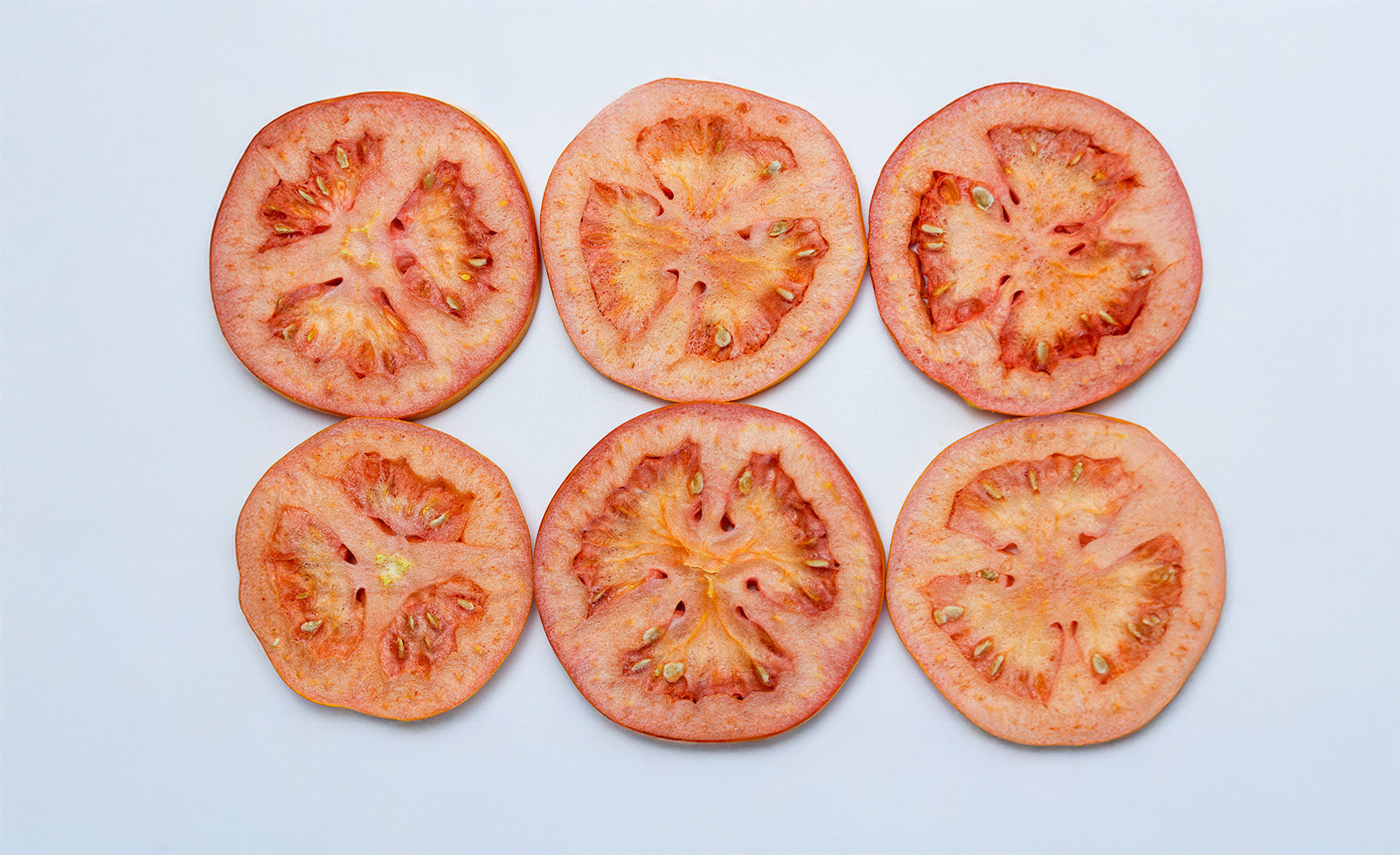
El requesón fresco y los tomates maduros son una combinación clásica, ya sea que los disfrute como un almuerzo ligero, un refrigerio saludable o como parte de una comida de verano. Con la liofilización, puede conservar ambos ingredientes durante meses, o incluso años, sin sacrificar gran parte de su sabor, nutrición o versatilidad.
La liofilización elimina la humedad y ayuda a los alimentos a conservar su sabor, textura, color y valor nutricional originales. Ya sea que esté conservando una cosecha de jardín, preparando comidas para acampar, abasteciendo una despensa de emergencia o reduciendo el desperdicio de alimentos, la liofilización de requesón y tomates facilita el disfrute de estos alimentos cuando los necesite.
En esta guía, aprenderá cómo preparar el requesón y los tomates para la liofilización, cómo almacenarlos correctamente y las mejores formas de rehidratarlos y disfrutarlos más tarde.
¿Por qué liofilizar requesón y tomates?
Estos dos alimentos se complementan bien y ofrecen varias ventajas cuando se liofilizan.
Los beneficios incluyen:
-
Conservar los ingredientes frescos antes de que se echen a perder
-
Reducir el desperdicio de alimentos
-
Crear comidas ligeras para acampar y hacer senderismo
-
Construir una reserva de alimentos de emergencia a largo plazo
-
Disfrutar de refrigerios saludables y ricos en proteínas en cualquier momento
-
Mantener los tomates del jardín disponibles mucho después de la temporada de cosecha
Debido a que la liofilización elimina casi toda la humedad, el producto terminado se vuelve ligero, estable en el estante y fácil de almacenar.
¿Se puede liofilizar el requesón?
Sí.
El requesón liofiliza sorprendentemente bien. Debido a que contiene una cantidad significativa de humedad, el liofilizador elimina el agua dejando atrás las proteínas y otros nutrientes.
Después de la rehidratación, el requesón funciona bien en recetas como:
-
Ensaladas
-
Wraps
-
Platos de pasta
-
Platos de verduras
-
Salsas
-
Refrigerios saludables
Muchas personas también disfrutan comiendo requesón liofilizado como un refrigerio crujiente sin rehidratarlo.
¿Se pueden liofilizar los tomates?
Absolutamente.
Los tomates son una de las verduras más populares para liofilizar porque conservan un excelente sabor y se pueden usar en innumerables recetas.
Las buenas variedades incluyen:
-
Tomates cherry
-
Tomates uva
-
Tomates Roma
-
Tomates beefsteak
-
Tomates heirloom
Los tomates cherry y uva son especialmente populares porque son fáciles de preparar y se liofilizan de manera uniforme.
Preparación del requesón para la liofilización
La preparación es sencilla.
-
Extienda el requesón de manera uniforme sobre la bandeja del liofilizador.
-
Mantenga la capa de aproximadamente ½ a ¾ de pulgada de grosor.
-
Evite llenar demasiado la bandeja.
-
Coloque la bandeja directamente en el liofilizador.
Una capa uniforme ayuda a que el producto se seque de manera uniforme durante todo el ciclo.
Preparación de tomates para la liofilización
Antes de cargar los tomates en su liofilizador:
-
Lavar a fondo.
-
Quitar los tallos.
-
Rebane los tomates más grandes en trozos de tamaño uniforme.
-
Corte los tomates cherry o uva por la mitad.
-
Disponga los trozos en una sola capa.
Dejar espacio entre los trozos permite que circule el aire y promueve un secado uniforme.
¿Se pueden liofilizar juntos el requesón y los tomates?
Sí.
Una ventaja de un liofilizador Harvest Right es que muchos alimentos diferentes se pueden procesar en el mismo lote cuando tienen requisitos de secado similares.
Para obtener los mejores resultados:
-
Coloque el requesón en una bandeja.
-
Coloque los tomates en bandejas separadas.
-
Evite mezclar alimentos en la misma bandeja.
Mantener los alimentos separados también facilita el empaquetado y el almacenamiento una vez que se completa el ciclo de secado.
Cómo almacenar requesón y tomates liofilizados
El almacenamiento adecuado es esencial para maximizar la vida útil.
Después de que la comida se haya enfriado completamente:
-
Guarde en bolsas Mylar con absorbedores de oxígeno.
-
Use frascos de vidrio para conservas sellados al vacío para los alimentos a los que accederá con frecuencia.
-
Guarde los recipientes en un lugar fresco, seco y oscuro.
-
Etiquete cada paquete con el contenido y la fecha de envasado.
Eliminar el oxígeno y la humedad ayuda a mantener la frescura durante años.
Cómo rehidratar el requesón
Rehidratar el requesón es fácil.
-
Coloque la cantidad deseada en un tazón.
-
Agregue agua fría gradualmente.
-
Revuelva suavemente.
-
Deje varios minutos para que la humedad se absorba.
-
Agregue agua adicional hasta que se alcance la consistencia deseada.
Evite agregar demasiada agua a la vez, ya que es más fácil agregar más que eliminar el exceso de humedad.
Cómo rehidratar tomates
Los tomates se pueden rehidratar de varias maneras, según cómo se vayan a usar.
Para ensaladas:
-
Rocíe ligeramente con agua.
-
Déjelos reposar durante varios minutos.
Para platos cocinados:
-
Agregue directamente a sopas, salsas, chile o pasta.
-
A menudo se rehidratan naturalmente durante la cocción.
Para sándwiches o wraps:
-
Remoje brevemente en agua fría hasta que se ablanden.
Formas creativas de usar requesón y tomates liofilizados
Una vez conservados, estos ingredientes se vuelven increíblemente versátiles.
Intente usarlos en:
-
Ensaladas de jardín
-
Ensaladas de pasta
-
Bowls de arroz
-
Tortillas
-
Revueltos de desayuno
-
Wraps
-
Comidas para acampar
-
Recetas para mochileros
-
Comidas para almacenamiento de alimentos de emergencia
-
Bowls de proteínas
-
Platos de inspiración mediterránea
Tener ingredientes liofilizados listos para usar acelera la preparación de las comidas y reduce el desperdicio de alimentos.
Consejos para obtener los mejores resultados
Siga estos sencillos consejos para obtener resultados consistentemente excelentes:
-
Extienda el requesón de manera uniforme sobre la bandeja.
-
Corte los tomates en tamaños similares.
-
No sature las bandejas.
-
Asegúrese de que el ciclo de secado termine por completo antes de empaquetar.
-
Guarde inmediatamente después de enfriar.
-
Mantenga el oxígeno y la humedad alejados de los productos terminados.
La preparación y el almacenamiento adecuados ayudan a preservar el sabor, la textura y la vida útil.
Preguntas frecuentes
¿Se pueden liofilizar los productos lácteos?
Sí. Muchos productos lácteos, incluidos el requesón, el yogur, la crema agria y el queso rallado, se pueden liofilizar con éxito.
¿Es necesario cocinar los tomates primero?
No.
Los tomates frescos se pueden liofilizar directamente después de lavarlos y rebanarlos.
¿Cuánto duran el requesón y los tomates liofilizados?
Cuando se empaquetan correctamente con absorbedores de oxígeno y se almacenan en un ambiente fresco y seco, los alimentos liofilizados pueden permanecer estables en el estante durante muchos años.
¿Puedo liofilizar diferentes alimentos al mismo tiempo?
Sí. Muchos alimentos se pueden liofilizar durante el mismo ciclo cuando tienen características de secado similares. El uso de bandejas separadas ayuda a mantener los alimentos organizados y simplifica el almacenamiento posterior.
¿Los tomates liofilizados saben igual después de rehidratarlos?
Los tomates liofilizados conservan gran parte de su sabor fresco y se pueden usar en ensaladas, sopas, guisos, salsas y un sinfín de otras recetas.
Conserve alimentos frescos para cada estación
La liofilización hace posible disfrutar del requesón y los tomates mucho después de comprarlos o cosecharlos. Ya sea que esté conservando productos frescos de su jardín, preparando comidas saludables para acampar o construyendo una despensa de almacenamiento de alimentos a largo plazo, la liofilización ayuda a reducir el desperdicio mientras mantiene los ingredientes nutritivos listos cuando los necesite.
Con la preparación, el almacenamiento y la rehidratación adecuados, tendrá ingredientes convenientes y sabrosos disponibles para las comidas diarias, las aventuras al aire libre y la preparación para emergencias.
Compartir:
Comida Rápida Liofilizada: Salmón con Pesto
¿Qué le estás dando de comer a tu perro?