

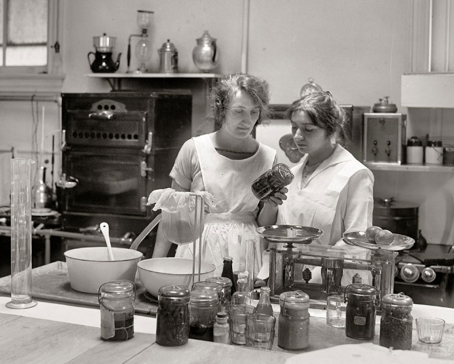
Depuis des générations, les familles conservent leurs aliments afin de pouvoir profiter des récoltes saisonnières tout au long de l'année, de réduire le gaspillage, de faire des économies et de se préparer pour l'avenir. Aujourd'hui, deux des méthodes les plus répandues sont la mise en conserve et la la lyophilisation.
Ces deux techniques sont excellentes pour conserver les aliments, mais elles ne sont pas destinées à remplir la même fonction.
Si vous vous demandez s'il vaut mieux continuer à faire des conserves, investir dans un lyophilisateur ou combiner les deux méthodes, ce guide vous aidera à comprendre les avantages de chacune afin que vous puissiez choisir l'approche la mieux adaptée à vos objectifs.
Comparaison rapide : mise en conserve ou lyophilisation ?
| Fonctionnalité | Mise en conserve | Lyophilisation |
|---|---|---|
| Méthode de conservation | Traitement thermique | Congélation et séchage sous vide (sublimation) |
| Durée de conservation* | En général, entre 1 et 5 ans | Jusqu'à 25 ans pour de nombreux aliments lorsqu'ils sont correctement emballés |
| Conservation au frais obligatoire | Non | Non |
| Texture après conservation | Plus doux | Conserve sa forme et retrouve une texture plus proche de celle d'origine |
| Nutrition | Certains nutriments sensibles à la chaleur sont perdus au cours de la transformation | De nombreux nutriments sont préservés, car ce procédé utilise des températures basses |
| Coût initial de l'équipement | Inférieur | Plus élevé |
| Conservation des aliments à long terme | Bien | Excellent |
| Repas complets | Limité | Excellent |
| Léger, idéal pour voyager | Non | Oui |
*La durée de conservation dépend du type d'aliment, du mode de préparation, de l'emballage et des conditions de stockage. Respectez toujours les recommandations en vigueur en matière de sécurité alimentaire et les méthodes de conservation éprouvées. Les aliments lyophilisés correctement emballés se conservent longtemps, mais la qualité de l'emballage est essentielle.

Pourquoi les gens conservent-ils les aliments ?
Que ce soit pour récolter des légumes de votre potager, acheter des produits en gros ou préparer des repas à l'avance, les raisons qui poussent à conserver les aliments sont souvent les mêmes :
- Réduire le gaspillage alimentaire
- Faites des économies
- Savourez des produits de saison tout au long de l'année
- Préparez des réserves alimentaires d'urgence
- Conserver des plats faits maison
- Ingrédients de contrôle
- Simplifier la préparation des repas
La mise en conserve et la lyophilisation permettent toutes deux d'atteindre ces objectifs, mais chacune à sa manière.
Comment fonctionne la mise en conserve ?
La mise en conserve permet de conserver les aliments en les scellant dans des bocaux et en utilisant la chaleur pour détruire les micro-organismes susceptibles de provoquer leur altération.
Selon les aliments, la conservation peut impliquer :
- Mise en conserve au bain-marie
- Mise en conserve sous pression
Lorsque les recettes et les procédures appropriées sont respectées, les conserves peuvent être conservées en toute sécurité sans réfrigération.
La mise en conserve a fait ses preuves depuis des générations et reste une excellente solution pour de nombreux aliments.
Comment fonctionne la lyophilisation ?
La lyophilisation permet d'éliminer l'eau grâce à un procédé totalement différent.
Les aliments sont d’abord congelés, puis placés sous vide. Au lieu de fondre en eau liquide, la glace se transforme directement en vapeur d’eau grâce à un processus appelé sublimation.
Comme la lyophilisation fait appel à des températures très basses pendant le processus de séchage, de nombreux aliments conservent leur aspect et leur saveur d'origine, ainsi qu'une grande partie de leur valeur nutritionnelle.
Quand la mise en conserve est un excellent choix
La mise en conserve reste l'une des meilleures méthodes de conservation pour des aliments tels que :
- Confitures et gelées
- Cornichons
- Sauce tomate
- Salsa
- Compote de pommes
- Garnitures pour tartes
- Confitures de fruits
De nombreuses familles apprécient la mise en conserve, car elle nécessite un investissement initial relativement faible en matériel et donne d'excellents résultats avec des recettes spécialement conçues pour cette technique.
Quand la lyophilisation fait ses preuves
La lyophilisation offre des avantages que la mise en conserve traditionnelle ne peut pas offrir.
Il est particulièrement adapté à :
- Repas complets
- Fruits
- Légumes
- Viandes cuites
- Œufs
- Produits laitiers
- Herbes aromatiques
- Repas pour la randonnée
- Réserves alimentaires d'urgence
- Repas légers à emporter en voyage
La lyophilisation permet également de conserver de nombreux aliments difficiles ou peu pratiques à mettre en conserve, notamment le fromage, le yaourt, les plats de pâtes cuites et de nombreux plats préparés.

Comparaison des durées de conservation
L'une des principales différences entre ces deux méthodes réside dans la durée de conservation.
Les conserves préparées dans les règles de l'art conservent généralement toute leur qualité pendant plusieurs années, selon le produit et les conditions de conservation.
Les aliments lyophilisés correctement conditionnés, conservés dans des récipients hermétiques et résistants à l'humidité équipés d'absorbeurs d'oxygène, peuvent se conserver jusqu'à 25 ans pour de nombreux produits. Les aliments riches en matières grasses ont généralement des durées de conservation recommandées plus courtes.
La nutrition : une approche équilibrée
Ces deux méthodes permettent de conserver des aliments qui, sans cela, risqueraient de se gâter.
Cependant, ils conservent les nutriments de manière différente.
La mise en conserve faisant appel à la chaleur, certaines vitamines sensibles à la chaleur sont détruites au cours du processus de transformation.
La lyophilisation permet d'éliminer l'eau à basse température, ce qui aide de nombreux aliments à conserver une plus grande partie de leur valeur nutritionnelle d'origine.
Aucune méthode de conservation ne permet d'obtenir des aliments identiques aux produits frais, mais les deux constituent des moyens précieux de profiter d'aliments nutritifs longtemps après la récolte.
Saveur et texture
Les goûts et les couleurs ne se discutent pas, mais les méthodes de conservation donnent des résultats nettement différents.
Conserves
De nombreux aliments en conserve deviennent plus mous à cause de la chaleur utilisée lors de leur transformation.
Cette texture convient particulièrement à :
- Soupes
- Sauces
- Chili
- Compote de pommes
- Produits à base de tomates
Aliments lyophilisés
Les aliments lyophilisés conservent généralement en grande partie leur forme et leur structure d'origine.
Une fois réhydratés, de nombreux fruits, légumes et plats retrouvent une texture plus proche de celle qu'ils avaient à l'origine que les versions en conserve.
Certains aliments sont également appréciés sous leur forme lyophilisée, comme en-cas croustillants.
Coût : au-delà de l'investissement initial
L'une des principales différences réside dans l'investissement initial.
Mise en conserve
Coût de l'équipement réduit
Les dépenses courantes comprennent :
- Pots
- Couvercles
- Énergie
- Consommables de rechange
Lyophilisation
Un investissement initial plus élevé en matériel
La valeur potentielle à long terme provient :
- Conserver les récoltes abondantes du potager
- Réduire le gaspillage alimentaire
- Acheter des produits alimentaires en gros
- Conserver les restes
- Préparation de provisions d'urgence
- Préparer des repas légers pour les voyages et les activités de plein air
Le choix le plus judicieux dépend de la fréquence à laquelle vous prévoyez de conserver des aliments et des types d'aliments que vous souhaitez stocker.

Quels sont les aliments les plus efficaces ?
| Alimentation | Mise en conserve | Lyophilisation |
| Confitures et gelées | ✓ Excellent | |
| Cornichons | ✓ Excellent | |
| Sauce à la tomate | ✓ Excellent | ✓ Bien |
| Soupe | ✓ Excellent | ✓ Excellent |
| Fruits | ✓ Bien | ✓ Excellent |
| Légumes | ✓ Bien | ✓ Excellent |
| Herbes aromatiques | ✓ Excellent | |
| Repas complets | Limité | ✓ Excellent |
| Viande | ✓ Bien | ✓ Excellent |
| Œufs | ✓ Excellent | |
| Produits laitiers | Limité | ✓ Excellent |
Loin de se substituer l'une à l'autre, ces deux méthodes se complètent souvent.
Faut-il en choisir un ?
Pas du tout.
De nombreux adeptes chevronnés de la conservation des aliments utilisent ces deux méthodes.
Par exemple :
Ils peuvent :
- Salsa
- Cornichons
- Confiture
- Sauce tomate
Et lyophiliser :
- Fruits frais
- Légumes du potager
- Repas complets
- Restes
- Herbes aromatiques
- Produits laitiers
- Œufs
- Repas au camping
Le fait d'utiliser chaque méthode de conservation là où elle donne les meilleurs résultats offre aux familles une flexibilité maximale.
Foire aux questions
La lyophilisation est-elle en train de remplacer la mise en conserve ?
Non.
La mise en conserve reste une excellente méthode de conservation pour de nombreux aliments, notamment les confitures, les sauces, les cornichons et d'autres recettes traditionnelles.
La lyophilisation élargit la gamme d'aliments pouvant être conservés et présente des avantages pour le stockage à long terme et les repas complets.
Quelle méthode est la moins chère ?
La mise en conserve implique généralement un coût d'équipement initial moins élevé.
La lyophilisation nécessite un investissement initial plus important, mais peut s'avérer rentable à long terme pour les personnes qui conservent régulièrement des aliments, réduisent le gaspillage alimentaire ou transforment d'importantes récoltes.
Quelle méthode est la plus durable ?
Les aliments lyophilisés correctement conditionnés ont généralement une durée de conservation nettement plus longue que les conserves.
Lequel préserve le mieux les nutriments ?
La lyophilisation permettant d'éliminer l'eau à basse température, de nombreux aliments conservent davantage de nutriments sensibles à la chaleur que ceux conservés par des procédés thermiques.
Puis-je utiliser les deux méthodes ?
Tout à fait.
De nombreuses familles combinent la mise en conserve et la lyophilisation pour se constituer un garde-manger polyvalent qui tire parti des avantages de chacune de ces méthodes de conservation.
Quelle méthode de conservation vous convient le mieux ?
Il n'existe pas de méthode unique qui convienne à tous les foyers.
Si vous aimez préparer des confitures, des cornichons, de la sauce tomate ou des conserves traditionnelles, la mise en bocaux reste un excellent choix.
Si vos objectifs consistent notamment à conserver des repas complets, à réduire le gaspillage alimentaire, à stocker des aliments pendant de nombreuses années, à préparer des repas légers pour le camping ou la randonnée, ou encore à conserver des aliments difficiles à mettre en conserve, la lyophilisation offre des possibilités que la mise en conserve traditionnelle ne peut tout simplement pas égaler.
Pour de nombreux foyers, la solution ne réside pas la mise en conserve ni la lyophilisation, mais utiliser chacune selon ses points forts.
Plus vous comprendrez chaque méthode de conservation, mieux vous serez armé pour constituer un garde-manger adapté au mode de vie, au budget et aux objectifs à long terme de votre famille.
Partager:
Témoignage : le point de vue d'une maman très occupée sur la lyophilisation
Déshydratation ou lyophilisation ?