

Blog
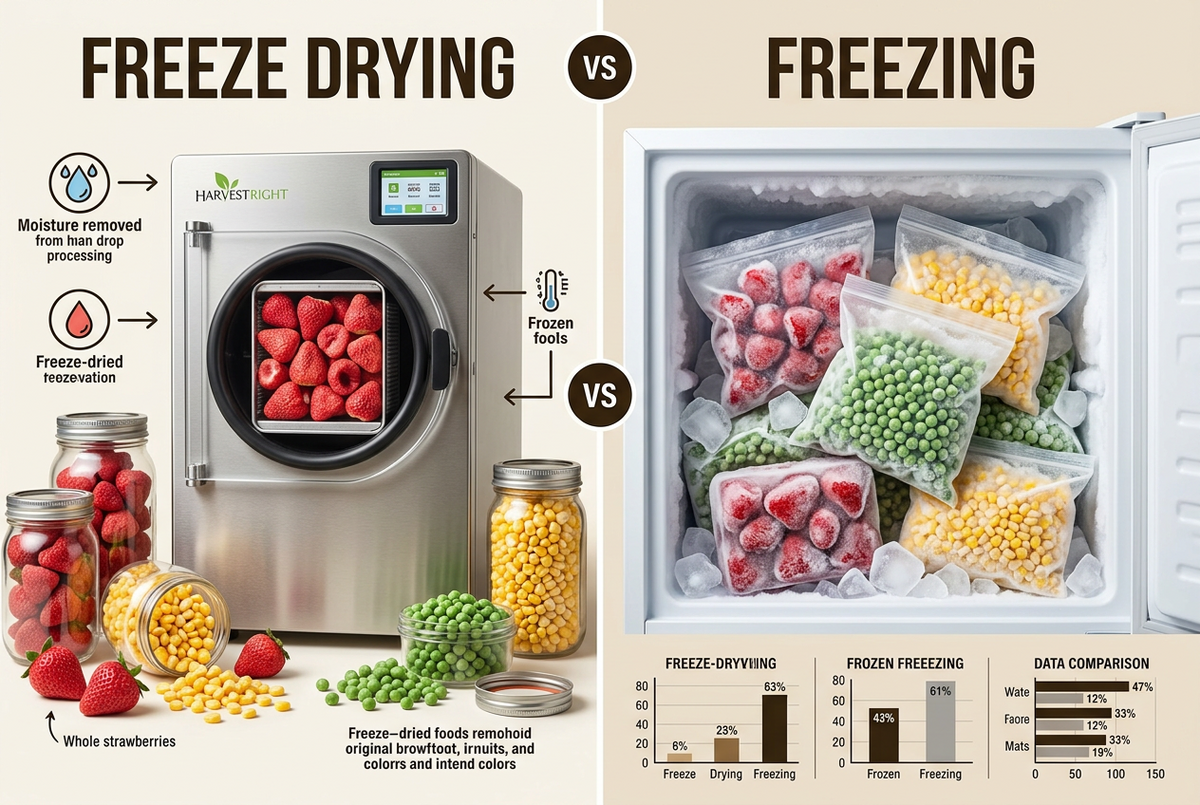
Freeze Drying vs. Freezing: Which Is Better for Food Storage?
Freezing and freeze drying both preserve food, but they work differently, and each has advantages depending on what you want to store, how long you want to keep it, and how you plan to use it. Short answer: For short-term...
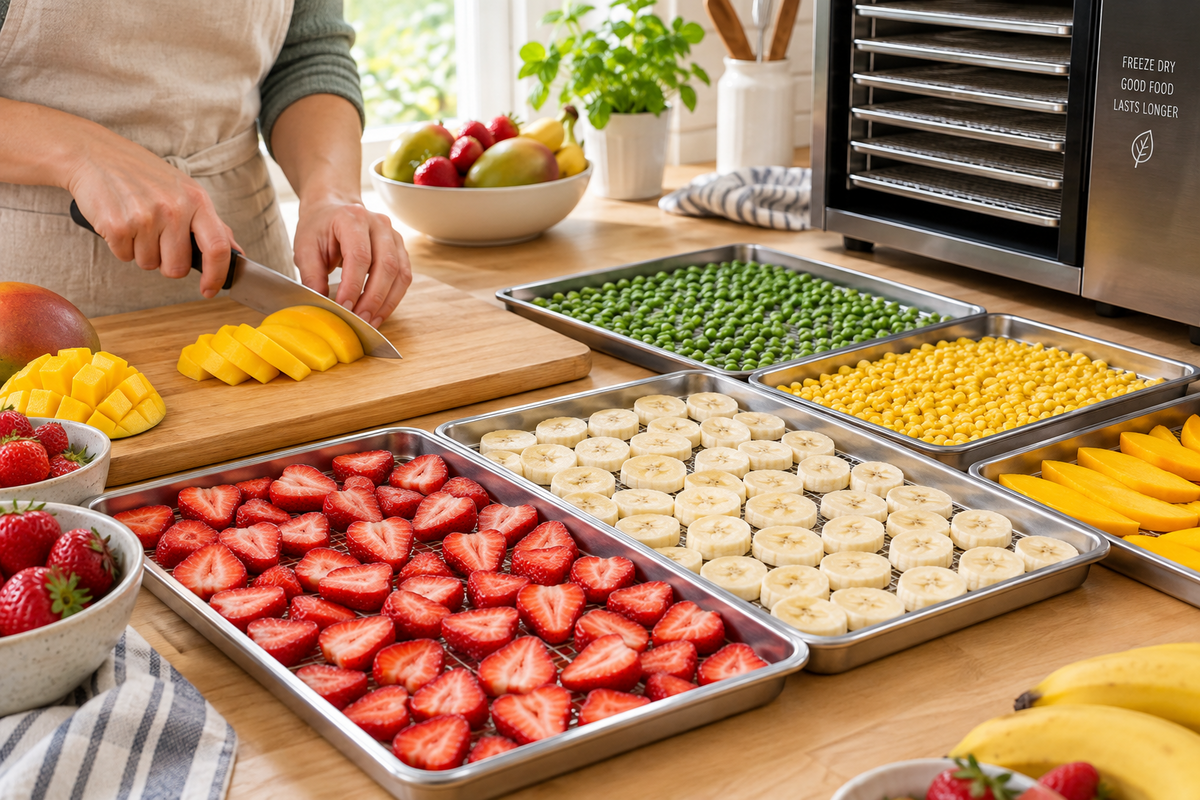
What Are the Best Foods to Freeze Dry for Beginners?
Your first few batches in a home freeze dryer teach you a lot about how the process works, and choosing the right foods makes learning easier. Short answer: Strawberries, apples, peas, and sweet corn are the easiest foods to start...
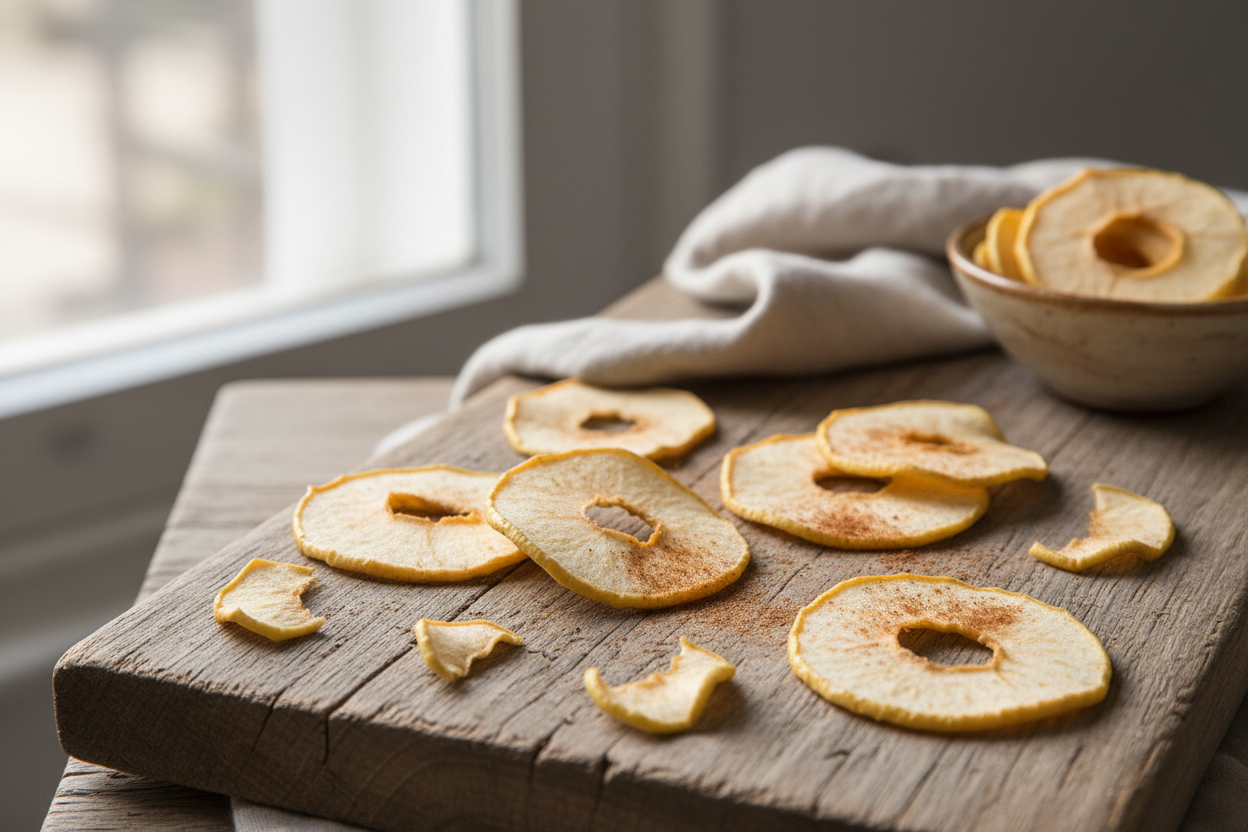
Pourquoi mes aliments lyophilisés ont-ils un goût différent ?
Comprendre les modifications de saveur après la lyophilisation La lyophilisation est l'un des meilleurs moyens de préserver la saveur d'origine des aliments, mais les aliments lyophilisés n'ont pas toujours exactement le même goût qu'avant leur séchage. En effet, de nombreux...
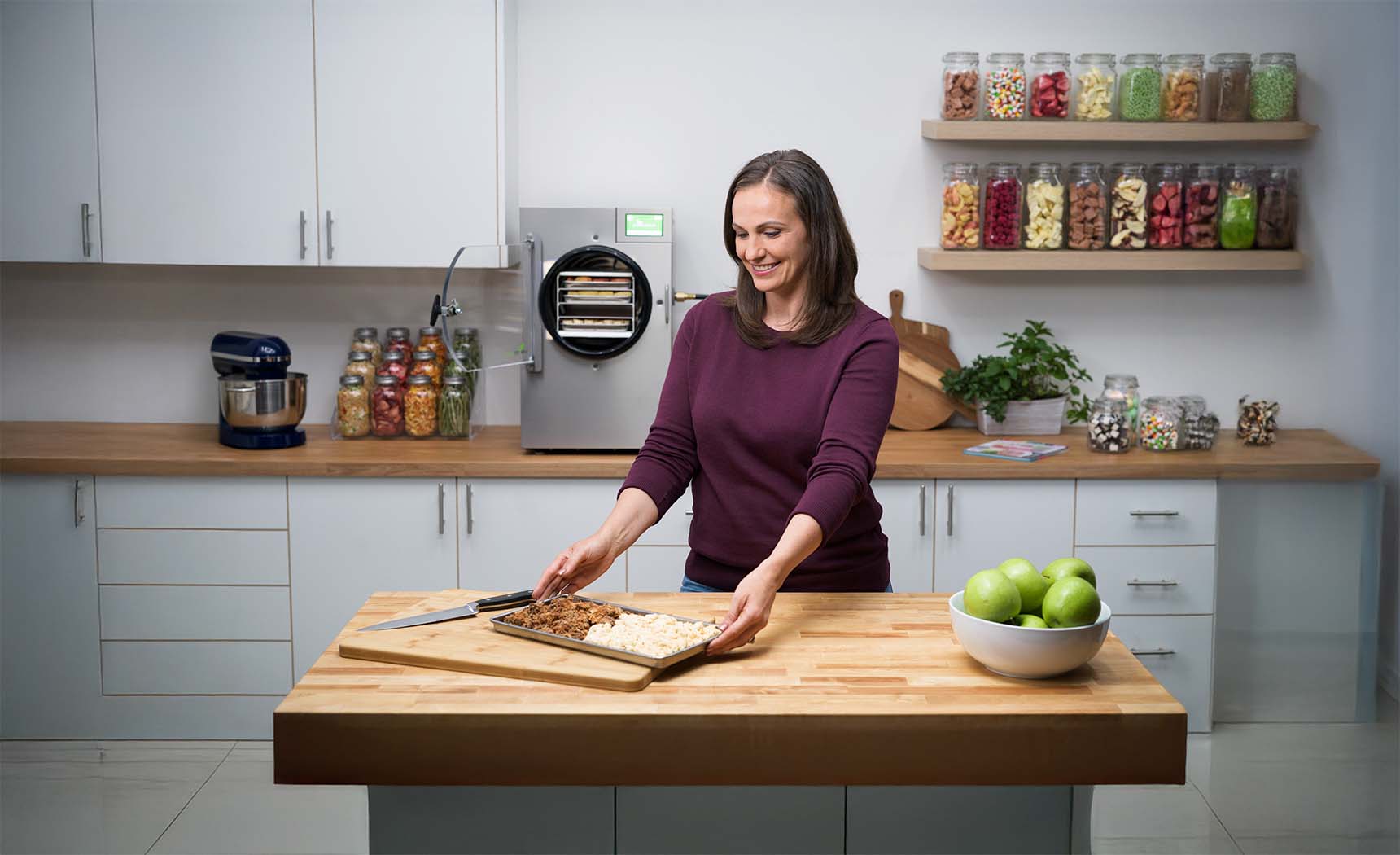
Conseils pour lyophiliser comme un pro
25 conseils pour obtenir de meilleurs résultats à chaque fois Que vous lyophilisiez des fraises fraîches de votre jardin, que vous prépariez des repas complets pour toute la famille ou que vous constituiez un stock de provisions à long terme,...
Idées reçues courantes sur la lyophilisation et la déshydratation
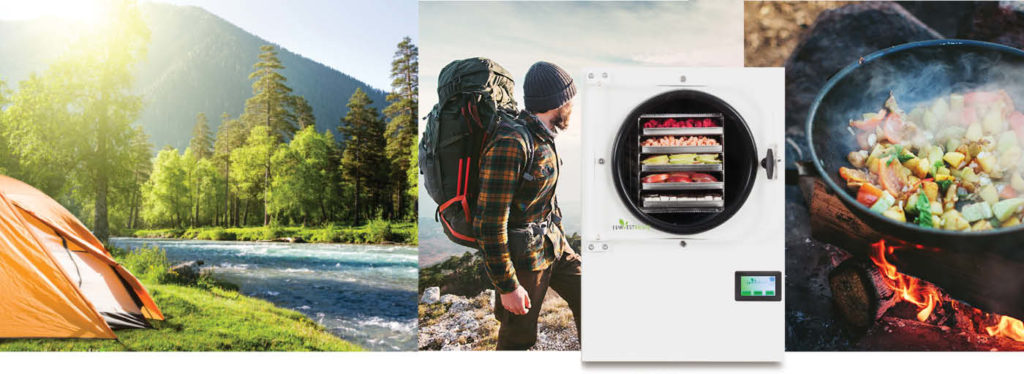
La conservation des aliments est pratiquée depuis des milliers d'années, mais elle fait également l'objet de nombreuses idées reçues. Certaines reposent sur des informations obsolètes. Certaines comparaisons découlent du fait que l'on met en parallèle des aliments qui n'ont jamais...
Comment fonctionne la lyophilisation ?
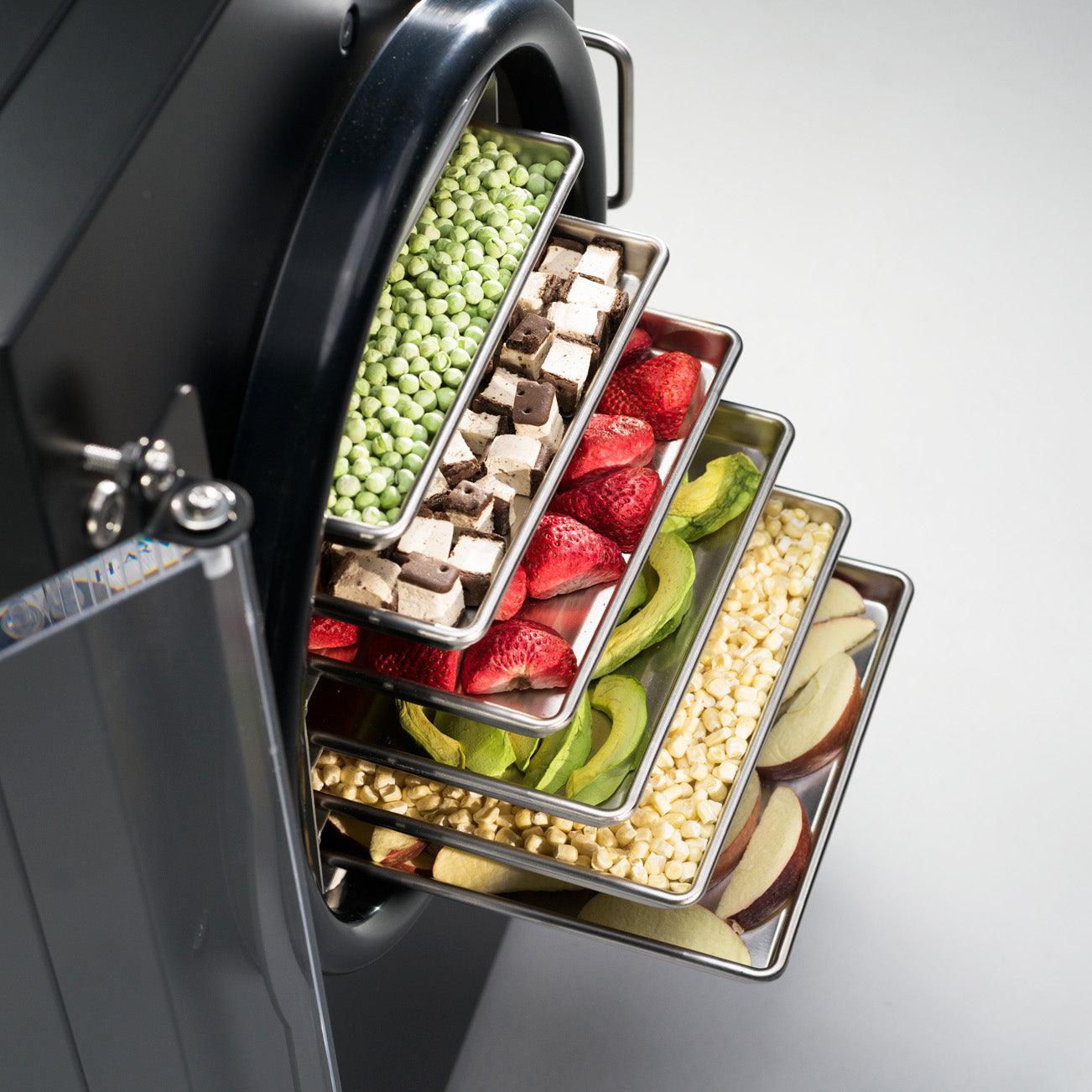
La lyophilisation est un procédé de conservation unique qui élimine l'humidité des aliments tout en les maintenant à l'état congelé. Contrairement aux méthodes de séchage traditionnelles qui reposent sur la chaleur pour évaporer l'eau, la lyophilisation utilise une combinaison soigneusement...
Comment fonctionne réellement un lyophilisateur Harvest Right ?
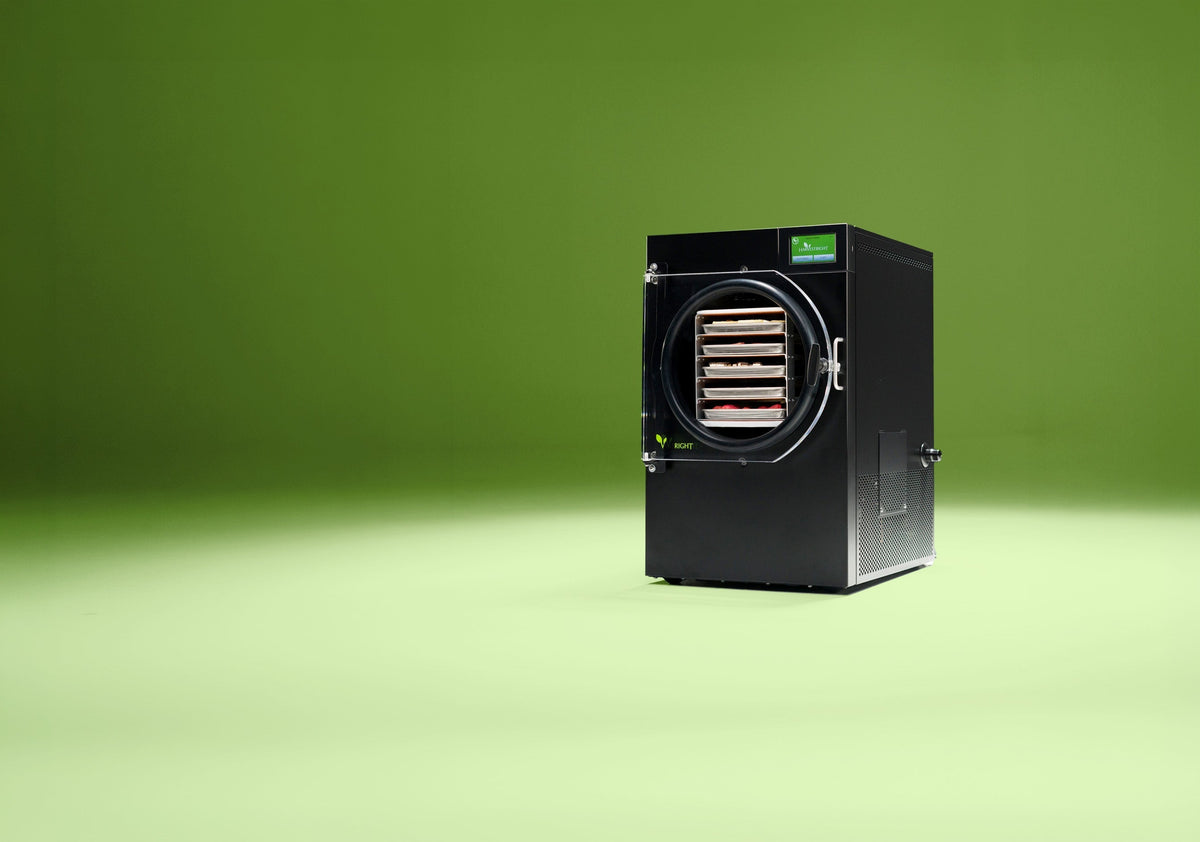
Un lyophilisateur Harvest Right est simple à utiliser, mais son fonctionnement interne est bien plus complexe que celui d'un réfrigérateur, d'un congélateur ou d'un déshydrateur. Quatre systèmes fonctionnent de concert pour extraire l'eau des aliments tout en préservant leurs qualités...
Quelle méthode préserve le mieux les nutriments ? La lyophilisation ou la déshydratation ?
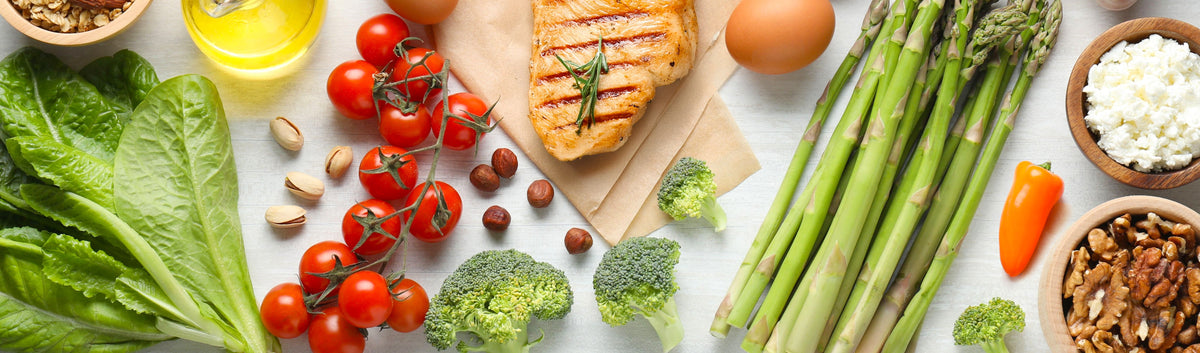
Réponse rapide Il n'existe pas de pourcentage unique ni de réponse simple qui s'applique à tous les aliments. La quantité de nutriments conservés dépend de plusieurs facteurs, notamment : Le type d'aliment Le nutriment mesuré Préparation avant la conservation Le...
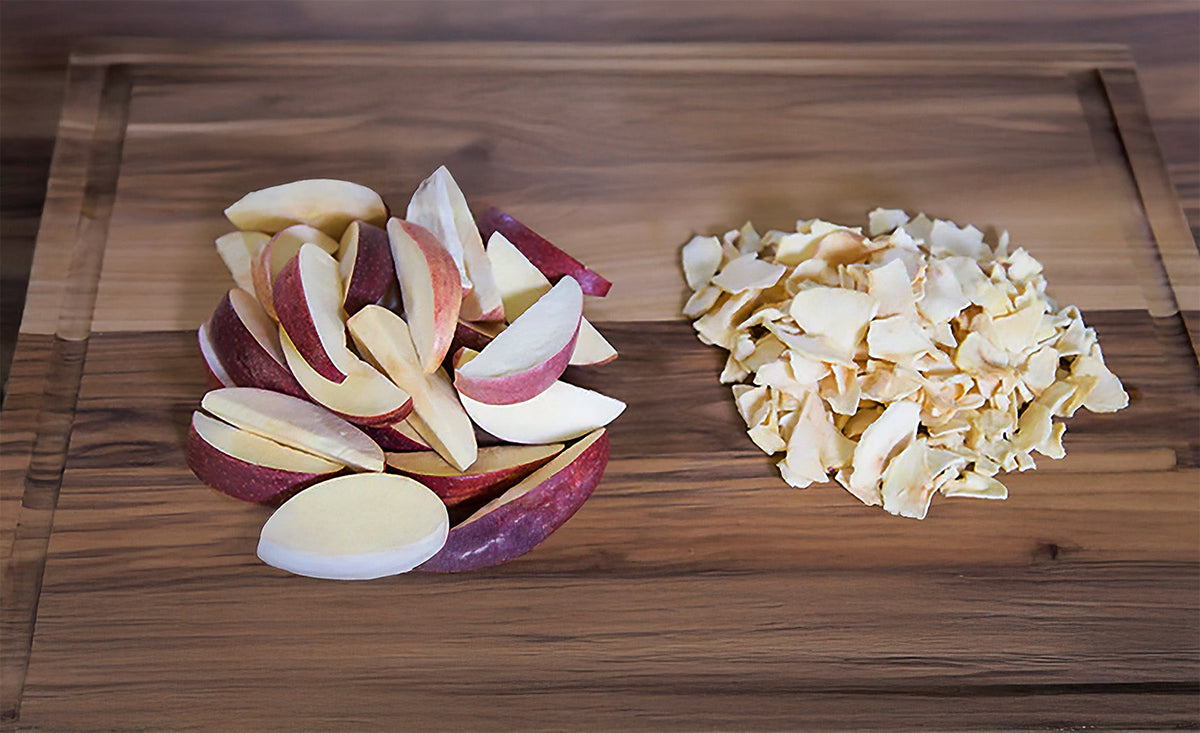
Lyophilisation ou déshydratation ?
Lyophilisation ou déshydratation : le guide complet pour choisir la bonne méthode de conservation des aliments La lyophilisation et la déshydratation comptent parmi les méthodes les plus courantes de conservation des aliments à la maison, mais elles ont des objectifs...