

Eating more vegetables doesn't have to mean giving up your favorite meals.
For many people, the easiest way to improve their diet isn't by following a complicated nutrition plan—it's by making small, consistent changes that naturally increase the amount of vegetables they eat each day.
Vegetables provide fiber, vitamins, minerals, and plant compounds that support overall health. They also add flavor, texture, and color to meals while helping create satisfying dishes.
Whether you're trying to improve your family's nutrition, preserve your garden harvest, or simply find creative ways to eat more vegetables, this guide offers practical ideas that fit into everyday life.
Why Vegetables Matter
Vegetables are naturally rich in nutrients including:
- Fiber
- Vitamin A
- Vitamin C
- Vitamin K
- Folate
- Potassium
- Antioxidants
Eating a variety of vegetables throughout the week helps provide a broader range of nutrients than relying on just one or two favorites. Health authorities also recommend choosing vegetables from different groups, such as dark leafy greens, red and orange vegetables, beans and peas, starchy vegetables, and other vegetables.
Start Small
One of the biggest mistakes people make is trying to completely change their eating habits overnight.
Instead:
- Add one extra serving each day.
- Add vegetables to one meal this week.
- Try one new vegetable every month.
- Replace one processed side dish with vegetables.
Small habits are easier to maintain than dramatic changes.

Easy Ways to Eat More Vegetables
1. Add Vegetables to Breakfast
Breakfast isn't just for fruit.
Try:
- Spinach in scrambled eggs
- Bell peppers in omelets
- Mushrooms with eggs
- Tomatoes on avocado toast
- Kale in breakfast burritos
2. Blend Them Into Smoothies
Leafy greens work well in smoothies.
Try adding:
- Spinach
- Kale
- Frozen zucchini
- Avocado
- Freeze-dried vegetable powders
3. Roast Vegetables
Many people discover they enjoy vegetables much more after roasting.
Excellent choices include:
- Broccoli
- Brussels sprouts
- Cauliflower
- Carrots
- Sweet potatoes
- Asparagus
Roasting develops caramelized flavors that many people prefer over boiling.
4. Build Better Salads
A salad doesn't have to be just lettuce.
Mix in:
- Cucumbers
- Tomatoes
- Bell peppers
- Carrots
- Radishes
- Broccoli
- Chickpeas
- Corn
- Seeds
- Nuts
5. Add Vegetables to Soups
Soups are one of the easiest places to increase vegetables.
Include:
- Carrots
- Celery
- Green beans
- Peas
- Spinach
- Tomatoes
- Zucchini
- Mushrooms

6. Upgrade Pasta Night
Mix vegetables into:
- Pasta sauce
- Lasagna
- Baked pasta
- Macaroni and cheese
Great additions include:
- Spinach
- Mushrooms
- Bell peppers
- Onions
- Zucchini
7. Build Better Sandwiches
Add:
- Lettuce
- Tomatoes
- Cucumbers
- Avocado
- Sprouts
- Roasted peppers
8. Snack on Vegetables
Healthy snacks include:
- Baby carrots
- Bell pepper strips
- Snap peas
- Cucumbers
- Cherry tomatoes
- Celery
Pair with:
- Hummus
- Greek yogurt dip
- Guacamole
9. Add Vegetables to Pizza
Top pizza with:
- Mushrooms
- Spinach
- Peppers
- Onions
- Tomatoes
- Artichokes
10. Use Vegetable Powders
Freeze-dried vegetable powders can be stirred into:
- Soups
- Pasta sauces
- Smoothies
- Bread dough
- Homemade seasoning blends
They're especially useful when fresh vegetables aren't available.

Meal Prep Makes Vegetables Easier
Many people eat fewer vegetables simply because preparation takes time.
Try prepping once or twice a week.
Wash and cut:
- Carrots
- Celery
- Broccoli
- Bell peppers
- Cucumbers
Store them in clear containers where they're easy to see and grab.
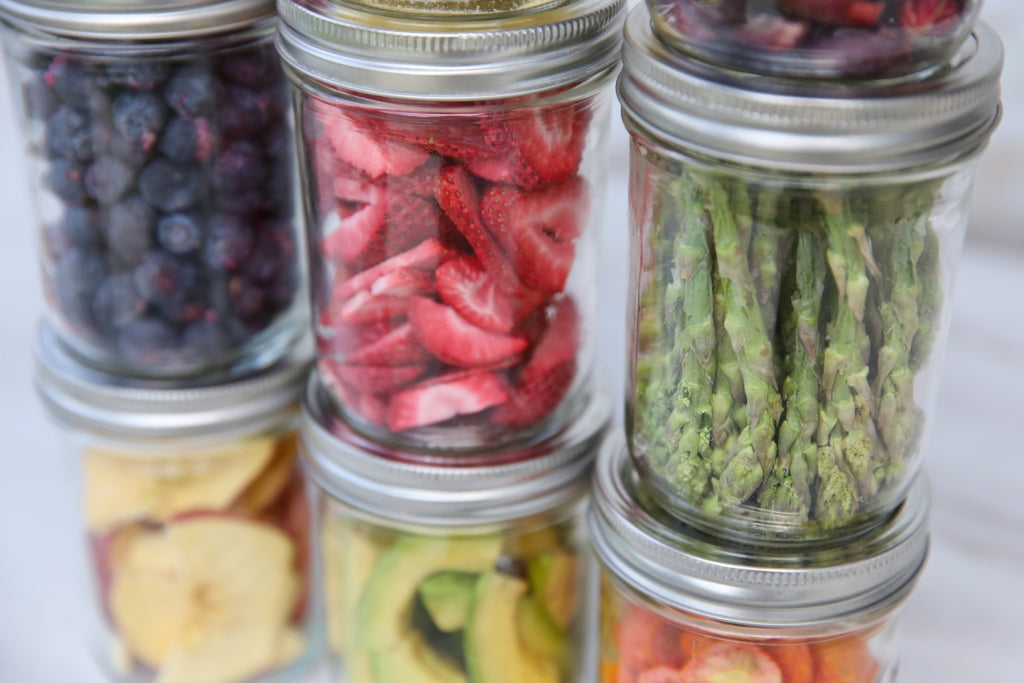
Frozen and Freeze-Dried Vegetables Count Too
Fresh vegetables are wonderful, but they're not the only option.
Frozen vegetables are picked and processed quickly, making them a convenient, nutritious choice for busy households.
Freeze-dried vegetables offer additional advantages:
- Lightweight
- Long shelf life when packaged properly
- Convenient for camping and travel
- Easy to add to soups and casseroles
- Helpful for preserving garden harvests
The goal is to make vegetables more accessible—not to insist on one form over another.
Build Meals Around Vegetables
Instead of asking, "What vegetable should I serve with dinner?"
Ask:
"What meal can I build around vegetables?"
Examples include:
- Stir-fry
- Grain bowls
- Vegetable soup
- Fajitas
- Sheet-pan dinners
- Pasta primavera
- Buddha bowls
Grow Your Own
Even a small garden can encourage people to eat more vegetables.
Consider growing:
- Tomatoes
- Lettuce
- Spinach
- Green beans
- Herbs
- Peppers
Many gardeners find they naturally eat more vegetables when they're harvesting them fresh.
Preserve Seasonal Produce
When your garden produces more than you can eat fresh:
- Freeze it.
- Can it.
- Dehydrate it.
- Freeze dry it.
Having vegetables ready to use makes healthy meals much easier throughout the year.
Make Vegetables Taste Great
Healthy food doesn't have to be bland.
Experiment with:
- Garlic
- Herbs
- Lemon juice
- Olive oil
- Parmesan cheese
- Balsamic vinegar
- Homemade spice blends
Cooking methods matter, too. Roasting, grilling, sautéing, steaming, and air frying each create different flavors and textures.
Eat More Colors
Aim to include a variety of colors throughout the week.
Green
- Spinach
- Broccoli
- Kale
- Green beans
Red
- Tomatoes
- Red peppers
Orange
- Carrots
- Sweet potatoes
- Butternut squash
Purple
- Red cabbage
- Eggplant
White
- Cauliflower
- Onions
- Mushrooms
Different colors often provide different nutrients, so variety is more important than chasing a single "superfood."
Frequently Asked Questions
How many vegetables should I eat each day?
Needs vary by age, activity level, and calorie intake. Many adults eating around 2,000 calories are encouraged to eat about 2½ cups of vegetables per day, while focusing on a variety of vegetable types.
Are frozen vegetables healthy?
Yes.
Frozen vegetables are often harvested at peak ripeness and can retain excellent nutritional value, making them a convenient option for everyday meals.
Do freeze-dried vegetables still have nutritional value?
Freeze drying removes water while helping preserve many characteristics of the original vegetables. The exact nutritional profile depends on the vegetable, preparation method, and storage conditions.
What's the easiest way to eat more vegetables?
Many people succeed by adding vegetables to foods they already enjoy rather than trying to create an entirely new way of eating.
Can I use freeze-dried vegetables in cooking?
Yes.
Freeze-dried vegetables work well in soups, casseroles, pasta dishes, omelets, sauces, and many other recipes after rehydration or, in some cases, as powdered ingredients.
Healthy Eating Doesn't Have to Be Complicated
Eating more vegetables isn't about perfection—it's about consistency.
Small changes, like adding spinach to breakfast, roasting vegetables for dinner, keeping healthy snacks within reach, or preserving your garden harvest with a freeze dryer, can make it easier to enjoy more vegetables throughout the year.
The best approach is the one you'll continue doing. Focus on variety, prepare vegetables in ways you enjoy, and build meals around foods that fit your family's lifestyle. Over time, those small choices can become lasting habits.
Share:
How to Make Freeze-Dried Herbs, Seasonings & Flavor Powders
Emergency Food Storage: Where to Start