

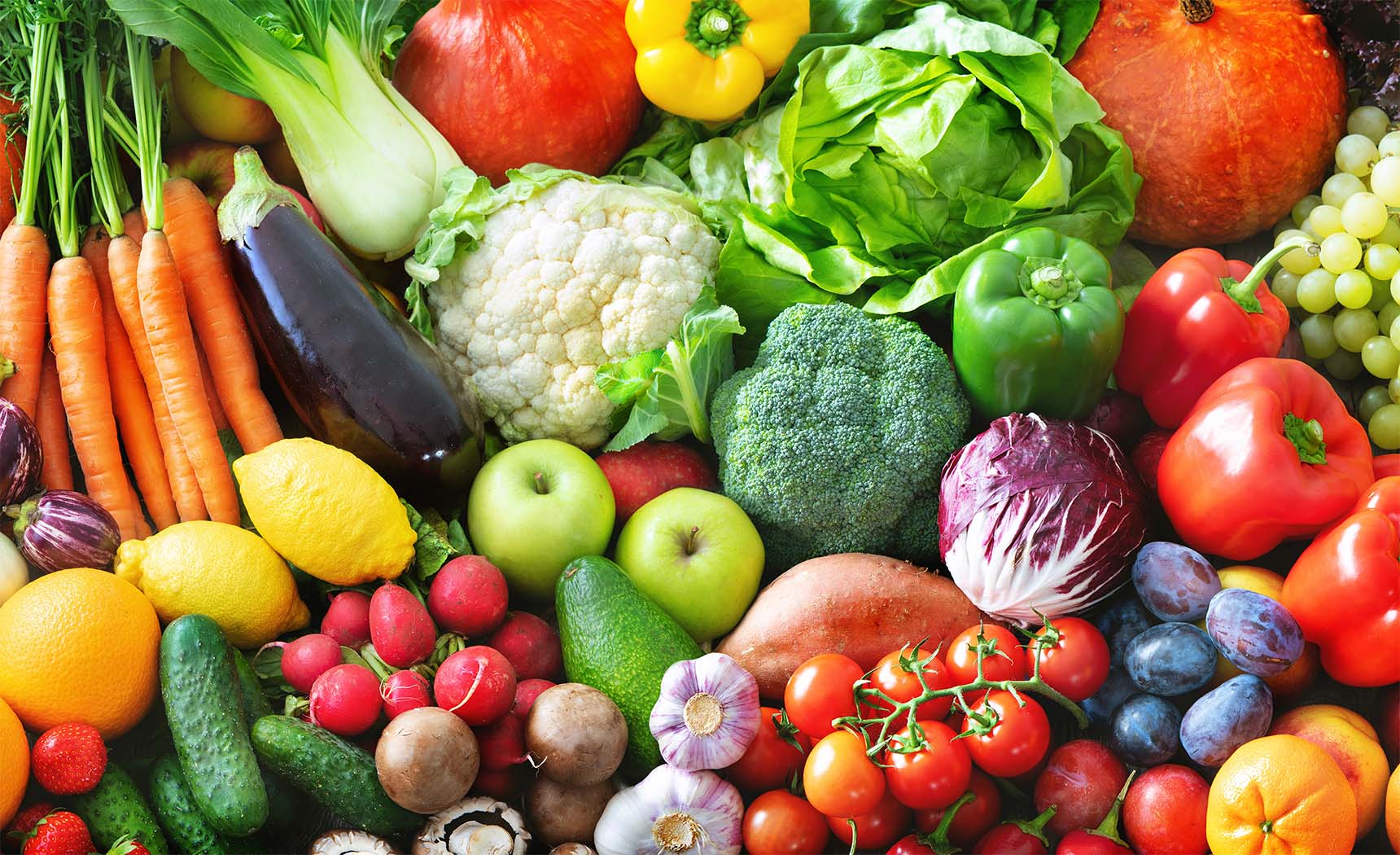
Einer der größten Vorteile der Gefriertrocknung ist die Vielfalt der Lebensmittel, die sich damit konservieren lassen. Von frischem Obst und Gemüse bis hin zu Fertiggerichten und Desserts – die Gefriertrocknung bietet Menschen die Flexibilität, viele der Lebensmittel, die sie bereits gerne essen, zu konservieren und gleichzeitig ihre Haltbarkeit für zukünftige Mahlzeiten, Snacks und Rezepte zu verlängern.
Nicht jedes Lebensmittel verhält sich während des Gefriertrocknungsprozesses genau gleich. Feuchtigkeitsgehalt, Fett, Zucker und Konsistenz beeinflussen das Endergebnis. Wenn Sie diese Unterschiede kennen, können Sie Lebensmittel auswählen, die Ihren Zielen bei der Haltbarkeitserhaltung entsprechen, und sind auf Lebensmittel vorbereitet, die möglicherweise eine zusätzliche Planung erfordern.
In diesem Leitfaden werden wir die wichtigsten Lebensmittelkategorien vorstellen, die üblicherweise gefriergetrocknet werden, und erläutern, warum sich die jeweilige Kategorie besonders gut für diese Konservierungsmethode eignet.
Kurze Antwort
Eine Vielzahl von Lebensmitteln lässt sich gefriertrocknen, darunter:
Obst
Gemüse
Gekochtes Fleisch
Meeresfrüchte
Milchprodukte
Eier
Kräuter
Vollwertige Mahlzeiten
Desserts
Süßigkeiten
Leckerlis für Haustiere (richtig zubereitet)
Manche Lebensmittel lassen sich leichter gefriertrocknen als andere, und bei bestimmten Lebensmitteln mit höherem Fett- oder Zuckergehalt sind möglicherweise zusätzliche Überlegungen erforderlich. Entscheidend ist, die Eigenschaften der einzelnen Lebensmittel zu kennen, anstatt davon auszugehen, dass sich alle Lebensmittel gleich verhalten.
Einer der Gründe, warum sich die Menschen für die Gefriertrocknung begeistern, ist ihre Vielseitigkeit.
Im Gegensatz zu Konservierungsverfahren, die in erster Linie für eine bestimmte Art von Lebensmitteln eingesetzt werden, lässt sich die Gefriertrocknung für viele verschiedene Lebensmittelkategorien anwenden.
Gärtner konservieren die Ernte der jeweiligen Jahreszeit.
Familien bewahren Essensreste auf.
Die Camper bereiten leichte Mahlzeiten zu.
Jäger konservieren verarbeitetes Fleisch.
Hobbyköche bewahren übrig gebliebene Zutaten auf, bevor sie schlecht werden.
Je mehr die Menschen über die Gefriertrocknung erfahren, desto kreativer werden sie bei der Suche nach Lebensmitteln, die sie konservieren möchten.
Obst

Obst gehört oft zu den ersten Lebensmitteln, die Menschen gefriertrocknen.
Zu den beliebtesten Optionen gehören:
Erdbeeren
Heidelbeeren
Äpfel
Bananen
Pfirsiche
Ananas
Mango
Himbeeren
Trauben
Kirschen
Viele gefriergetrocknete Früchte lassen sich als knusprige Snacks genießen oder später in Smoothies, Backwaren, Müsli, Joghurt, Desserts und anderen Rezepten verwenden.
Jede Frucht verhält sich ein wenig anders, doch die meisten lassen sich bei richtiger Vorbereitung sehr gut gefriertrocknen.
Tipp für die richtige Ernte
Beginnen Sie mit Obstsorten, die Ihre Familie ohnehin gerne isst. Bei vertrauten Lebensmitteln lassen sich Konsistenz, Geschmack und Portionsgrößen leichter beurteilen, und Sie gewinnen gleichzeitig mehr Sicherheit im Umgang mit dem Gefriertrocknungsverfahren.
Gemüse

Gemüse eignet sich ebenfalls hervorragend zum Gefriertrocknen.
Zu den gängigen Beispielen gehören:
Mais
Erbsen
Möhren
Grüne Bohnen
Brokkoli
Blumenkohl
Paprika
Zwiebeln
Kartoffeln
Pilze
Viele gefriergetrocknete Gemüsesorten eignen sich gut für Suppen, Aufläufe, Nudelgerichte, Omeletts und andere warme Gerichte.
Gärtner nutzen häufig die Gefriertrocknung, um überschüssige Ernteerträge während der Hochsaison zu konservieren.
Gekochtes Fleisch

Viele gekochte Fleischsorten lassen sich für spätere Mahlzeiten gefriertrocknen.
Beispiele hierfür sind:
Huhn
Türkei
Rindfleisch
Schweinefleisch
Schinken
Die richtige Zubereitung und der sichere Umgang mit Lebensmitteln sind auch vor Beginn des Gefriertrocknungsprozesses von großer Bedeutung.
Gekochtes Fleisch wird häufig wieder mit Flüssigkeit versetzt und in Suppen, Aufläufen, Nudelgerichten, Tacos, Reisgerichten und vielen anderen Rezepten verwendet.
Meeresfrüchte
Viele Meeresfrüchteprodukte lassen sich ebenfalls gefriertrocknen.
Beispiele hierfür sind:
Garnelen
Lachs
Thunfisch
Weißfisch
Da Meeresfrüchte sich hinsichtlich ihrer Konsistenz und ihres Fettgehalts erheblich unterscheiden, können die Zubereitungsmethoden je nach Art der zu konservierenden Meeresfrüchte variieren.
Milchprodukte
Viele Menschen sind überrascht, wie vielfältig die Auswahl an Milchprodukten ist, die gefriergetrocknet werden können.
Beispiele hierfür sind:
Käse
Joghurt
Hüttenkäse
Sauerrahm
Eiscreme
Die Ergebnisse variieren je nach Produkt, doch die Gefriertrocknung bietet zusätzliche Möglichkeiten, Milchzutaten und beliebte Leckereien für den späteren Gebrauch aufzubewahren.
Eier
Eier sind ebenfalls eine beliebte Wahl.
Viele Menschen gefriertrocknen sorgfältig zubereitete Eier oder gekochte Eierspeisen, um sie später für Rezepte und die Zubereitung von Mahlzeiten zu verwenden.
Da Eier eine so vielseitige Zutat sind, kann ihre Konservierung beim Backen, bei Frühstücksrezepten und als Notvorrat nützlich sein.
Tipp für die richtige Ernte
Bevor Sie häufig verwendete Zutaten – wie Eier, Gemüse oder gekochtes Fleisch – gefriertrocknen, sollten Sie sich überlegen, welche Portionsgrößen Sie später benötigen. Wenn Sie Lebensmittel in rezeptgerechten Mengen verpacken, können Sie später schneller Mahlzeiten zubereiten und unnötigen Abfall vermeiden.
Vollwertige Mahlzeiten
Eine der größten Stärken der Gefriertrocknung ist die Konservierung kompletter Mahlzeiten.
Zu den bekannten Beispielen gehören:
Chili
Rindfleischeintopf
Hähnchen mit Reis
Lasagne
Nudelgerichte
Suppen
Curry
Frühstückspfannen
Viele Familien schätzen es, Mahlzeiten zuzubereiten, wenn sie Zeit haben, und diese für den späteren Bedarf aufzubewahren.
Desserts und Leckereien
Auch bei Desserts und besonderen Leckereien hat sich die Gefriertrocknung durchgesetzt.
Beispiele hierfür sind:
Käsekuchen
Eiscreme
Cookies
Brownies
Marshmallows
Bestimmte Süßigkeiten
Verschiedene Desserts verhalten sich je nach Zutaten und Konsistenz unterschiedlich, weshalb das Ausprobieren ein wichtiger Teil des Lernprozesses ist.
Kräuter und Gewürze
Obwohl Kräuter in der Regel getrocknet werden, lassen sich viele Kräuter auch gefriertrocknen.
Beispiele hierfür sind:
Basilikum
Petersilie
Koriander
Schnittlauch
Dill
Die beste Aufbewahrungsmethode hängt davon ab, wie Sie die Sachen später verwenden möchten.
Lebensmittel, bei denen möglicherweise zusätzliche Überlegungen erforderlich sind
Nicht jedes Lebensmittel verhält sich beim Gefriertrocknen gleich.
Lebensmittel mit:
Höherer Fettgehalt
Höherer Ölgehalt
Höherer Zuckergehalt
Einzigartige Texturen
können unterschiedliche Zubereitungsmethoden erfordern oder zu unterschiedlichen Ergebnissen führen.
Anstatt diese Lebensmittel als „gute“ oder „schlechte“ Kandidaten zu betrachten, ist es hilfreicher zu verstehen, dass jedes Lebensmittel seine eigenen Besonderheiten hinsichtlich der Haltbarkeit mit sich bringt.
Wir werden diese Themen in unserem speziellen Leitfaden zum Thema „Lebensmittel, die vor dem Gefriertrocknen einer zusätzlichen Planung bedürfen“ näher beleuchten.
Einer der größten Vorteile der Gefriertrocknung ist ihre Vielseitigkeit.
Von Obst und Gemüse über komplette Mahlzeiten und Desserts bis hin zu Leckerlis für Haustiere – die Gefriertrocknung bietet Menschen die Möglichkeit, viele der Lebensmittel zu konservieren, die sie ohnehin schon gerne essen.
Mit zunehmender Erfahrung werden Sie feststellen, dass sich jedes Lebensmittel ein wenig anders verhält – und genau das macht das Gefriertrocknen zu einer so lohnenden Fertigkeit, die es sich zu erlernen lohnt.
Das Wichtigste auf einen Blick
Eine Vielzahl von Lebensmitteln lässt sich erfolgreich gefriertrocknen.
Obst, Gemüse, Fleisch, Meeresfrüchte, Milchprodukte, Eier, Kräuter und Fertiggerichte gehören zu den gängigen Auswahlmöglichkeiten.
Verschiedene Lebensmittel verhalten sich je nach ihrem Feuchtigkeitsgehalt, Fettgehalt, Zuckergehalt und ihrer Konsistenz unterschiedlich.
Wenn man die Portionsgrößen vor dem Gefriertrocknen festlegt, erleichtert dies die spätere Zubereitung der Mahlzeiten.
Zu lernen, wie sich einzelne Lebensmittel verhalten, gehört dazu, wenn man sich sicher im Einmachen von Lebensmitteln fühlen möchte.
Häufig gestellte Fragen
Kann man rohes Fleisch gefriertrocknen?
Bestimmte Lebensmittel, darunter Fleisch, erfordern eine sorgfältige Zubereitung und die Einhaltung von Lebensmittelsicherheitsmaßnahmen. Befolgen Sie die geltenden Richtlinien zur Lebensmittelsicherheit sowie die Empfehlungen von Harvest Right für das jeweilige Lebensmittel, das Sie konservieren möchten.
Kann man Milchprodukte gefriertrocknen?
Ja. Viele Milchprodukte lassen sich gefriertrocknen, wobei die Ergebnisse je nach Produkt variieren.
Welche Obstsorten lassen sich am besten gefriertrocknen?
Viele Obstsorten lassen sich gut gefriertrocknen, darunter Erdbeeren, Heidelbeeren, Äpfel, Bananen, Pfirsiche, Ananas, Mangos, Trauben, Kirschen und Himbeeren.
Können Fertiggerichte gefriergetrocknet werden?
Ja. Fertiggerichte gehören zu den größten Vorteilen der Gefriertrocknung und werden häufig für den späteren Verzehr, als Notvorrat, zum Camping und zur täglichen Mahlzeitenplanung aufbewahrt.
Können Desserts gefriergetrocknet werden?
Viele Desserts lassen sich erfolgreich gefriertrocknen, wobei die Zutaten und die Konsistenz das Endergebnis beeinflussen.
Gibt es Lebensmittel, deren Gefriertrocknung schwieriger ist?
Ja. Lebensmittel mit einem höheren Fett-, Öl- oder Zuckergehalt erfordern oft eine zusätzliche Planung oder führen zu anderen Ergebnissen als Lebensmittel mit einem höheren Feuchtigkeitsgehalt.
Teilen:
Was ist Gefriertrocknung?
Warum lassen sich Lebensmittel durch Gefriertrocknung haltbar machen?