

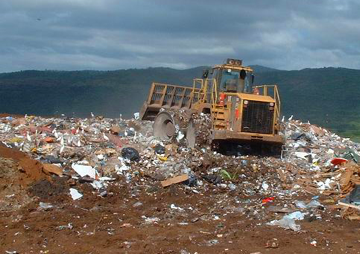
Die Vereinigten Staaten verschwenden mehr Lebensmittel als die meisten anderen Industrienationen – ein beträchtlicher Teil dessen, was ein durchschnittlicher Haushalt einkauft, wird nie wirklich verzehrt. Rechnet man zu den Lebensmittelabfällen der Haushalte noch die Verluste aus Hausgärten, landwirtschaftlichen Betrieben und dem Einzelhandel hinzu, wird schätzungsweise mehr als ein Drittel aller in den USA produzierten Lebensmittel nicht verzehrt.
Was das tatsächlich kostet
Für eine typische Familie summieren sich ungenutzte Lebensmittel im Laufe eines Jahres zu einer beträchtlichen Summe – häufig genannte Schätzungen gehen von einigen tausend Dollar jährlich für einen Vier-Personen-Haushalt aus, und die Lebensmittelverschwendung auf nationaler Ebene wird oft auf mehrere zehn Milliarden Dollar pro Jahr geschätzt. Über die finanziellen Kosten hinaus bedeutet Lebensmittelverschwendung auch eine Verschwendung von Wasser, Energie und Arbeitskraft, die ursprünglich für den Anbau und die Herstellung dieser Lebensmittel aufgewendet wurden – Ressourcen, die für Lebensmittel hätten verwendet werden können, die tatsächlich verzehrt worden wären, und das in einer Zeit, in der Hunger und Ernährungsunsicherheit für eine beträchtliche Anzahl von Menschen weltweit nach wie vor ein echtes Problem darstellen.
Warum die Gefriertrocknung hilft
Die Gefriertrocknung zu Hause ist eine der wirksamsten Methoden, um dieses Problem auf Haushaltsebene anzugehen. Richtig verpackte gefriergetrocknete Lebensmittel sind bis zu 25 Jahre haltbar – um ein Vielfaches länger als Konserven oder getrocknete Alternativen – und behalten dabei ihren Geschmack und ihre Nährstoffe weitaus besser als beim einfachen Einfrieren. Ein Zyklus dauert in der Regel etwa einen Tag, und das Rehydrieren der fertigen Lebensmittel für eine Mahlzeit ist so einfach wie das Hinzufügen von Wasser. Die Konservierung von überschüssigem Obst und Gemüse, Essensresten und in größeren Mengen zubereiteten Mahlzeiten, bevor sie verderben, verwandelt Lebensmittel, die sonst weggeworfen würden, in einen echten, nutzbaren Vorrat.
Mehr zum Thema „Reduzierung von Lebensmittelabfällen“
Der Artikel „Wie Gefriertrocknung Lebensmittelverschwendung reduziert (und Geld spart)“ befasst sich eingehender mit den Einsparungsaspekten dieses Themas, der Beitrag „Lebensmittelverschwendung zu Hause vermeiden“ enthält praktische Tipps zur Lagerung im Haushalt, und „Wasted! The Story of Food Waste“ beleuchtet das Thema aus der Perspektive des gleichnamigen Dokumentarfilms.
Häufig gestellte Fragen
Wie viel Lebensmittel verschwendet ein durchschnittlicher amerikanischer Haushalt?
Die Schätzungen gehen zwar auseinander, doch ein erheblicher Teil der Lebensmitteleinkäufe von Haushalten wird nicht verzehrt, bevor er verbraucht wird – häufig genannte Zahlen beziffern die Lebensmittelverschwendung in US-Haushalten auf etwa ein Drittel oder mehr der eingekauften Menge.
Wie viel kostet eine durchschnittliche Familie jedes Jahr durch Lebensmittelverschwendung?
Häufig genannte Schätzungen gehen von etwa ein paar Tausend Dollar pro Jahr für einen Vier-Personen-Haushalt aus, wobei die genaue Summe von der Haushaltsgröße und den Lebensgewohnheiten abhängt.
Trägt die Gefriertrocknung dazu bei, Lebensmittelverschwendung zu reduzieren?
Ja – durch Gefriertrocknung verlängert sich die Haltbarkeit von Lebensmitteln bei sachgemäßer Verpackung auf bis zu 25 Jahre, was bedeutet, dass Ernteüberschüsse aus dem Garten, Essensreste und in größeren Mengen zubereitete Mahlzeiten weitaus seltener verderben, bevor sie verzehrt werden.
Teilen:
„Verschwendet!“ – und warum wir weniger Lebensmittel verschwenden sollten
Eine wahre Geschichte: Die Sicht einer vielbeschäftigten Mutter auf die Gefriertrocknung