

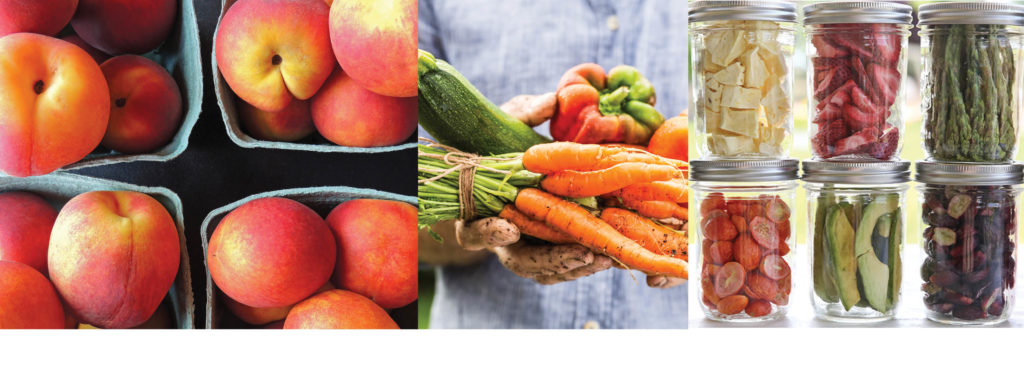
Most food waste isn't dramatic — it's a bag of spinach that wilts before you get to it, or a bunch of bananas that all turn at once. Storing produce correctly, by location, is one of the simplest ways to cut that down, and preserving the extra with a freeze dryer handles the rest.
Refrigerator
Cherries, berries, grapes, broccoli, carrots, and lettuce all keep best in the fridge, set to 40°F or below. Store vegetables separately from fruit, use bags or containers that prevent them from drying out, and hold off on washing berries and grapes until you're actually ready to eat them — added moisture speeds up mold growth.
Counter, Then Refrigerator
Apples, oranges, tomatoes, peaches, and avocados all do better ripening on the counter first. Once they're ripe, move them to the fridge to slow things down, and keep ripe and unripe fruit separated so the ripe ones don't speed up the rest.
Counter Only
Bananas, herbs, and asparagus belong on the counter, not in the fridge. Herbs like basil hold up longest stored upright with their cut stems in a cup of water, the same way you'd keep cut flowers. Separate bananas from the bunch once you start eating them — they ripen faster while still attached to each other.
Pantry
Potatoes, squash, pineapple, onions, mangos, watermelon, garlic, and yams keep best in a cool, dark spot like a cupboard or pantry. Keep potatoes and onions apart — stored together, they speed up each other's spoilage. Storing an apple alongside potatoes is a commonly used trick some find helps slow sprouting, though results vary.
When Storage Isn't Enough
Even with good storage habits, produce eventually outpaces how fast a household can use it — which is where a freeze dryer earns its keep. Freeze-drying preserves fruits, vegetables, leftovers, and bulk-cooked meals for up to 25 years, holding onto flavor and nutrition noticeably better than simply freezing food raw. It works on nearly everything: garden surplus, leftovers, bulk purchases, even fresh herbs before they wilt.
More on Cutting Food Waste
How freeze-drying cuts food waste (and saves money) goes deeper on the cost side of this. Embracing ugly food to cut food waste covers another simple habit shift that helps.
Frequently Asked Questions
Should fruits and vegetables be stored together in the fridge?
No — store them separately. Many fruits release ethylene gas as they ripen, which can cause nearby vegetables to spoil faster.
What temperature should a refrigerator be set to for storing produce?
40°F or below, which is the standard food-safety benchmark for keeping refrigerated produce fresh longer.
What's the best way to preserve extra produce before it spoils?
Freeze-drying is one of the most effective options — properly stored, freeze-dried food can last up to 25 years while retaining its flavor and much of its original nutrition.
Share:
RV Camping Meals With a Freeze Dryer: Carol's Story
Winner of a Small Freeze Dryer