

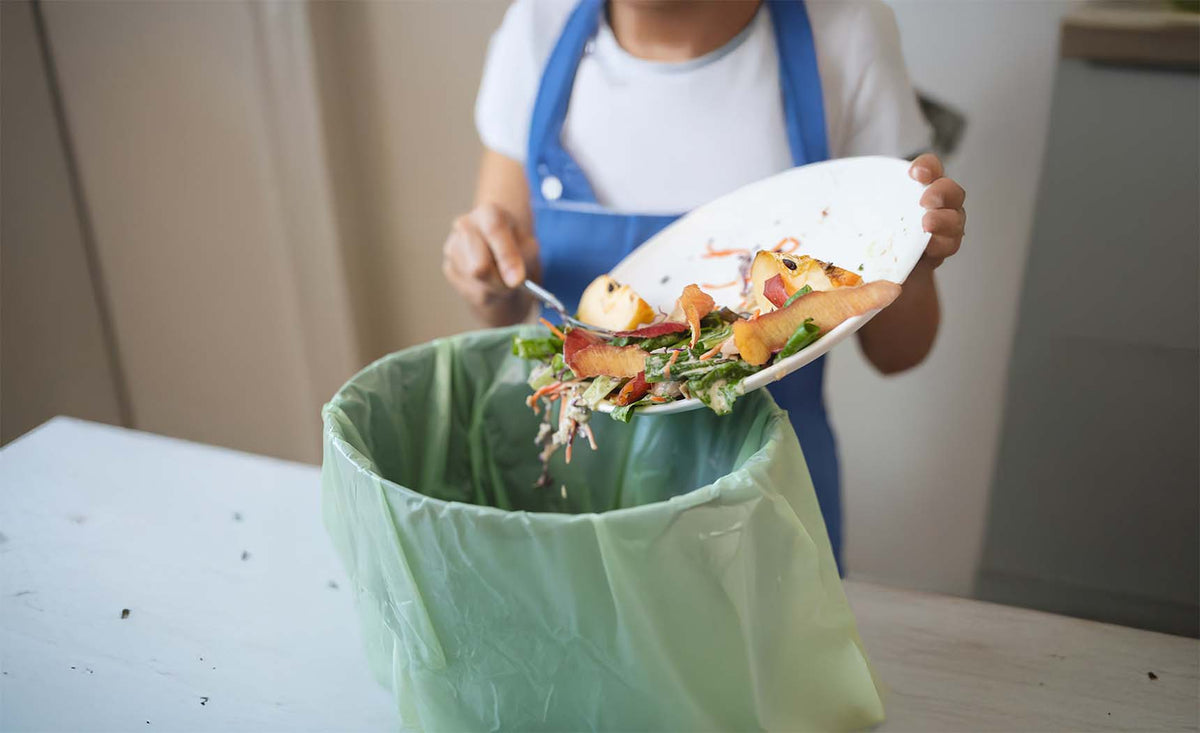
Food waste isn't just a grocery-budget problem — it's an environmental one too, and it's a lot bigger than most people realize. Freeze-drying what you're not going to eat in time is one of the simplest fixes, and it works for almost anything heading toward the trash: produce, meat, even leftovers.
The Real Cost of Food Waste
(Figures below are as originally cited in this post — worth confirming against a current source before publishing; see the flag above.)
Food production accounts for roughly a third of greenhouse gas emissions, including the deforestation tied to raising more cattle — which is part of why going meatless even once a week is one of the more meaningful personal choices for the environment. On the household side, Americans discard an estimated 141 trillion calories of food a year — about 1,249 calories per person, per day — which works out to households wasting around 40% of what they buy. At a typical cost of $2–$4 per meal, that adds up to roughly $30 a week in wasted food per person, or about $624 a year for a family of four.

One Week of My Own Food Waste
A honest inventory of one week's trash: a mostly-full box of granola, three-quarters of a jar of tomato sauce, half a jar of salsa, a half-eaten container of flavorless cherry tomatoes, wilting kale, oversized carrots passed over for baby carrots, half of an uneaten restaurant meal, and a package of chicken thighs bought by mistake.
Turning Almost-Wasted Food Into Something Useful
Rather than toss it, the chicken, wilting kale, flavorless tomatoes, and overripe carrots got boiled and freeze-dried into homemade dog food — and the dog approved. It's a good reminder that produce past its prime for a dinner plate is often still perfectly fine, just not for the use you originally bought it for.
The Simple Fix: Freeze-Dry Before It's Too Late
The easiest version of this doesn't require creativity — just freeze-dry fresh ingredients before they expire, and add them to recipes later instead of throwing them out. If you want the numbers on how much that actually saves, how freeze-drying saves money and how I lower my grocery bill with freeze-drying both break it down further, and be aware, then share, to reduce food waste covers more ways to keep food out of the trash in the first place.
This week, just pay attention to what you throw out — and who or what could still eat it.

Frequently Asked Questions
How much food does the average household waste?
Estimates commonly cited put it around 40% of purchased food, though it's worth checking a current source for the latest figure.
Can you freeze-dry food that's about to expire instead of throwing it out?
Yes — freeze-drying fresh ingredients before they expire is one of the simplest ways to keep them usable for recipes later instead of losing them to spoilage.
Can freeze-dried leftovers be used for pet food?
Yes — vegetables and meat that are past their best for a dinner plate (wilting greens, overripe produce, extra chicken) can be boiled and freeze-dried into homemade pet food rather than thrown away.
Does reducing food waste actually save meaningful money?
It can add up — commonly cited estimates put wasted food at roughly $30 per person per week, which is around $624 a year for a family of four, though exact figures vary by source.
Share:
10 Drought-Tolerant Vegetables for a Water-Wise Garden
Seasonal Eating With a CSA Box: A Beginner's Guide