

Eine Dürre kann jede Region in jedem Jahr treffen. Daher lohnt es sich, schon im Voraus zu wissen, welche Gemüsesorten auch mit weniger Wasser gut zurechtkommen – und nicht erst, wenn bereits Einschränkungen gelten. Hier sind zehn Sorten, die unter trockenen Bedingungen gut gedeihen.

Heatwave II-Tomaten
Eine Burpee-Hybride, die speziell für hohe Temperaturen gezüchtet wurde. Gärtner, die sie angebaut haben, berichten, dass sie zu Beginn der Saison als erste reift und bis zum Saisonende kontinuierlich Früchte trägt.
Senfblätter
Sie wachsen schnell und sind pflegeleicht – man muss sie nur kurz 2–3 Minuten lang mit Zwiebeln, Salz und Pfeffer anbraten, mehr brauchen sie nicht.
Schwarzäugige Erbsen
Eine traditionelle Hülsenfrucht, die pro Tasse eine reichhaltige Quelle für Ballaststoffe und Eiweiß darstellt und als etablierte Grundnahrungsmittelpflanze im Süden der USA auch trockene Bedingungen gut verträgt.
Stangenbohnen
Alle Stangenbohnensorten vertragen Trockenheit recht gut. Sie müssen an Spalieren hochgeführt werden, belohnen Sie dafür aber den ganzen Sommer über mit Bohnen.
Cantaloupe-Melone
Eigentlich eine Frucht, aber ein beliebter Begleitpflanzen im Garten – benötigt relativ wenig Wasser und ist eine gute Quelle für die Vitamine B und C.
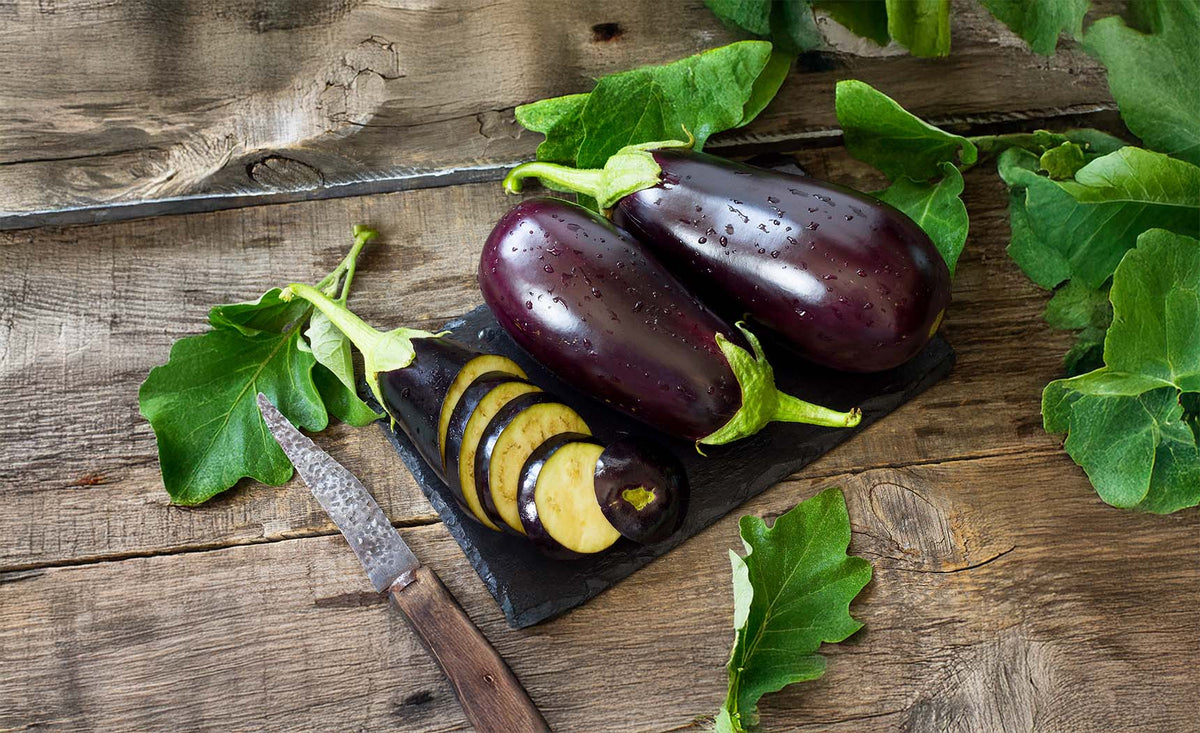
Aubergine
Für sich genommen ist es mild, und genau deshalb eignet es sich so gut als Grundlage für herzhafte Soßen oder als Fleischersatz in deftigeren Gerichten.
Poblano-Paprika
Hitzebeständig und vielseitig genug, um sie mit Frischkäse, Hähnchen oder jeder anderen Füllung Ihrer Wahl zu füllen.
Neuseeländischer Spinat
Kalorienarm, für seine Größe reich an Eiweiß und Ballaststoffen und ein guter Ersatz überall dort, wo man normalerweise Salat verwenden würde.
Kürbis (alle Sorten)
Durchweg zuverlässig trockenheitstolerant – man kann sie rösten, füllen oder die Blüten verwenden, die ebenfalls essbar sind.
Pastinaken
In den meisten Rezepten ein so passender Ersatz für Kartoffeln, dass Sie den Austausch wahrscheinlich gar nicht bemerken werden.
Wenn die Ernte eingebracht ist
Der Anbau trockenheitstoleranter Sorten löst das Wasserproblem – die Gefriertrocknung löst das Problem, was mit der Ernte geschehen soll, sobald sie bereit ist. Der Artikel „Konservierung Ihrer Gartenernte“ behandelt, welche Produkte sich gut zum Gefriertrocknen eignen, und „Einen Gefriertrocknungsgarten anlegen“ ist lesenswert, bevor Sie in der nächsten Saison pflanzen, wenn Sie Ihren Garten darauf ausrichten möchten, was Sie tatsächlich konservieren werden. Und wenn Sie über die Auswirkungen der Dürre auf die Lebensmittelpreise im weiteren Sinne nachdenken, behandelt der Artikel „Wie sich Dürre auf die Lebensmittelpreise auswirkt“ diesen Aspekt.
Häufig gestellte Fragen
Welche Gemüsesorten sind am trockenheitstolerantesten?
Kürbisse (alle Sorten), Stangenbohnen, Poblano-Paprika und Heatwave-II-Tomaten sind allesamt Pflanzen, die auch bei begrenzter Wasserzufuhr zuverlässig Erträge liefern.
Ist Kürbis trockenheitstolerant?
Ja – Kürbissorten kommen generell gut mit trockenen Bedingungen zurecht.
Was kann ich in einem trockenheitstoleranten Garten anstelle von Kartoffeln verwenden?
Pastinaken sind in den meisten Rezepten ein geeigneter Ersatz und vertragen trockenere Bedingungen besser als Kartoffeln.
Was soll ich mit einer trockenheitstoleranten Ernte machen, sobald sie reif ist?
Gefriertrocknen ist die beste Methode, um Lebensmittel haltbar zu machen – lesen Sie im Abschnitt „Konservierung Ihrer Gartenernte“, welche Produkte sich gut dafür eignen.
Teilen:
Weitgehend fleischlos leben: Die wahre Geschichte eines Nachbarn
Wie Gefriertrocknung Lebensmittelverschwendung reduziert (und Geld spart)