

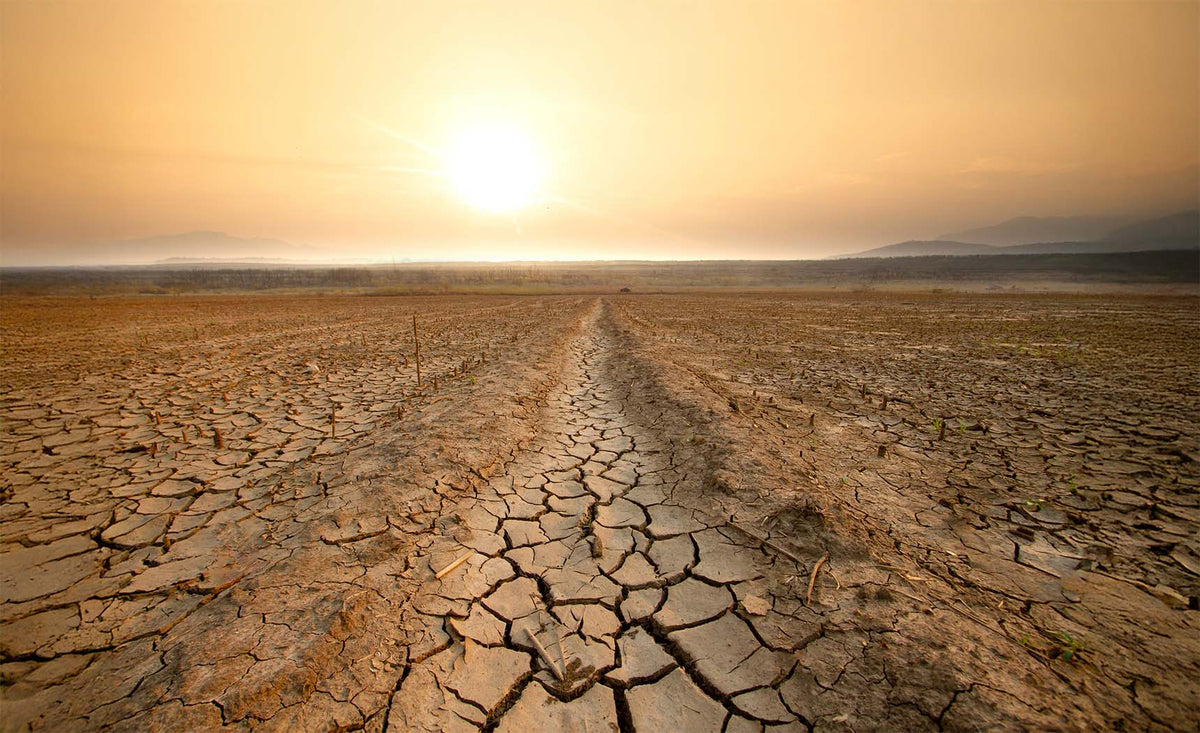
Drought doesn't raise every food price equally — some crops barely move while others, like eggs and dairy, tend to climb. The difference comes down to how each crop is priced, where the water goes when it's scarce, and how exposed a region's farming infrastructure actually is.
Why Some Prices Move More Than Others
Crops like rice, cotton, and the hay and corn silage used for animal feed are priced on global markets, not just local supply — so a regional drought has only an indirect effect on them. Crops grown almost entirely in one drought-affected region feel it more directly. Water availability also shifts what farmers prioritize: high-value perennials like nuts, berries, and grapes generate more revenue per acre than annual crops, so during a drought, farmers often redirect limited water toward protecting those long-term investments — sometimes at the expense of annual crop plantings. Areas with strong irrigation infrastructure or reliable groundwater tend to see smaller price swings than areas without it.

A Real Example: California's 2012–2016 Drought
During that multi-year drought, USDA's Economic Research Service predicted rising egg, dairy, and meat prices, while fresh fruit and vegetable prices stayed relatively stable — a counterintuitive result driven largely by California's irrigation infrastructure and the state's limited role in national grain production. (This is a historical example, not a current forecast — check current USDA ERS data for present-day price outlooks.)
How to Protect Your Grocery Budget From Price Swings
The real takeaway isn't specific to any one drought: buy in bulk when prices are low and freeze-dry the surplus, so a future price spike — drought-driven or otherwise — doesn't hit your budget as hard. How freeze-drying saves money breaks down the math, and creating a winter emergency food storage plan covers building a buffer before prices move. If you grow your own produce, drought-tolerant vegetables is worth a look for reducing how exposed your own kitchen is to water shortages in the first place.
Frequently Asked Questions
Does drought raise all food prices equally?
No — crops priced on global commodity markets (like rice or animal feed grains) are only indirectly affected, while regionally-concentrated crops and animal products like eggs and dairy tend to see more direct price movement.
Why do egg and dairy prices often rise more than produce prices during a drought?
Livestock and dairy operations are more directly exposed to feed cost increases, while produce prices are often buffered by irrigation infrastructure and water reallocation toward high-value crops.
What's the best way to protect my grocery budget from price swings?
Buy staples in bulk when prices are low and freeze-dry the surplus — that way a future spike, whatever causes it, doesn't hit your budget all at once.
Can growing your own food reduce exposure to drought-driven price increases?
Yes, especially with drought-tolerant vegetable varieties, which reduce how much a home garden's output depends on consistent water availability.
Share:
Freeze Dryer YouTube Videos
How to Save Heirloom Seeds (Step-by-Step Guide)