

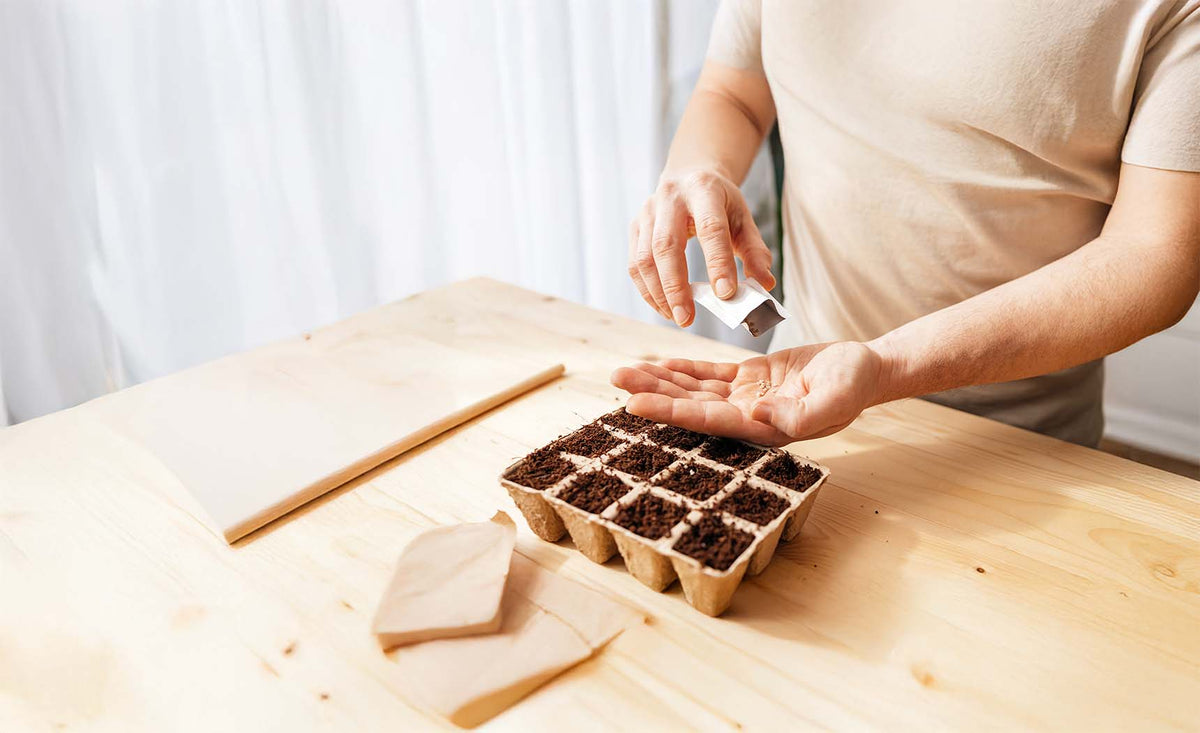
Heirloom vegetables tend to be hardier and more flavorful than hybrids, but they also cost more — which is exactly why saving your own seeds is worth doing. Here's how to pick the right seeds, ferment and store them properly, and keep them true to the parent plant next season.
Heirloom vs. Hybrid: Why It Matters for Seed-Saving
Heirloom varieties are open-pollinated — pollinated naturally rather than by hand — and because of that, their seeds grow into plants nearly identical to the parent. Hybrids (often labeled F1) are a deliberate cross between two different parent varieties bred for specific traits; their seeds, if you save and replant them, won't reliably reproduce those same traits. That's the whole reason this only works with confirmed heirloom seeds — check your seed packet or plant tag before you start.

Pick Your Winners
Save seeds only from your strongest, healthiest plants with the best fruit — essentially the "rock stars" of that season's garden. Pull seeds from several plants of the same variety rather than just one, since that keeps more genetic diversity in your seed stock over time. Heirloom varieties exist today because gardeners did exactly this — selecting standout plants — generation after generation.
Fermenting and Saving Tomato Seeds
Fermentation strips away pathogens and helps you sort viable seeds from duds:
- Scoop the seeds and surrounding gel into a labeled container with about ¼ cup of water.
- Let it sit in the shade for 3–5 days.
- Skim off the moldy film that forms on top.
- Discard any seeds still floating — they're not viable. The ones that sink are the good ones.
- Rinse, then dry them on a paper towel followed by a paper plate to keep them from sticking.
- Store in a dark spot at room temperature, or in the freezer for longer-term storage.
Diatomaceous earth in the storage container helps keep pests out and moisture down while the seeds sit in storage.
How Long Do Saved Seeds Stay Good?
Properly dried and stored tomato seeds commonly stay viable for several years, though germination rates drop gradually the longer they sit — labeling containers with the year you saved them makes it easy to prioritize using the oldest ones first.
Avoiding Cross-Pollination Next Season
To keep next year's seeds true to type, either grow just one variety of a given vegetable per season, or space different varieties far enough apart that they're unlikely to cross-pollinate. This matters more for some vegetables than others — tomatoes are mostly self-pollinating and lower-risk, while squash and corn cross far more easily and need more careful spacing.
Beyond Tomatoes: Other Easy Seeds to Save
Once you've got the fermentation method down for tomatoes, beans and peppers are two of the easier vegetables to move on to next — both are largely self-pollinating like tomatoes, which makes them a lower-risk way to expand your seed-saving beyond one crop.

Planning Next Year's Garden
Saved seeds are also the starting point for planning a garden around what you'll actually preserve. Grow a freeze-dry garden covers planning your planting around what freeze-dries well, and composting 101 is a good next step for building the soil those seeds will grow in. For what to do with the harvest once it comes in, see foods you can freeze dry.
Frequently Asked Questions
What's the difference between heirloom and hybrid seeds?
Heirlooms are open-pollinated and grow true from saved seed. Hybrids are a deliberate cross of two parent varieties, and their seeds don't reliably reproduce the same traits when replanted.
How do you ferment tomato seeds for saving?
Soak the seeds and gel in about ¼ cup of water for 3–5 days in the shade, skim off the moldy film, discard floating seeds, and dry the sinking ones on a paper towel and then a paper plate before storing.
How long do saved heirloom seeds stay viable?
Commonly several years when stored cool, dry, and dark, though germination rates gradually decline the longer they sit — label containers by year to use the oldest seeds first.
How do you prevent cross-pollination between varieties?
Grow only one variety of a given vegetable per season, or space different varieties well apart. Tomatoes are lower-risk since they're mostly self-pollinating; squash and corn cross more easily and need more distance.
Share:
Why Drought Affects Some Food Prices More Than Others
How to Freeze-Dry Zucchini for Year-Round Use