

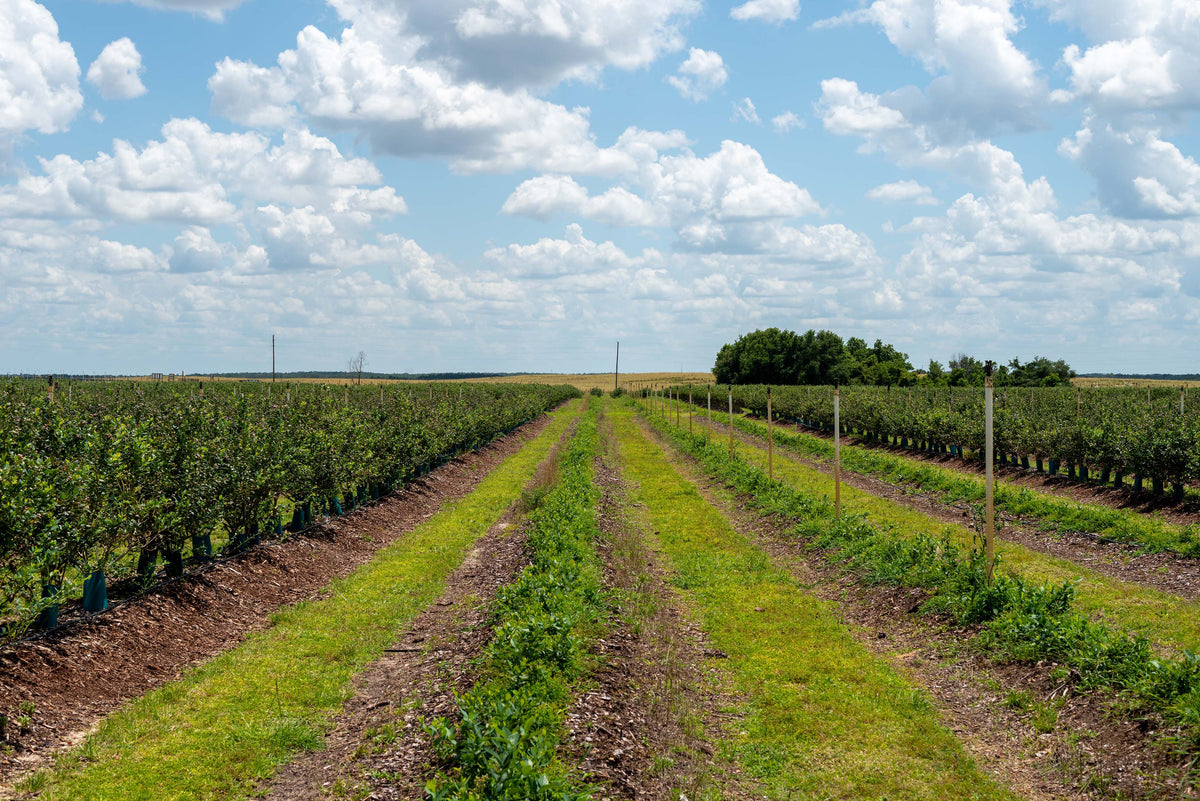
Every gardener eventually faces the same challenge.
After months of planning, planting, watering, and weeding, the harvest arrives all at once. Tomatoes ripen faster than they can be eaten, herbs need to be picked before they flower, berries don't wait, and the freezer quickly fills with produce that may not all be used before next season.
For Diane and Ron, avid gardeners in northern Idaho, preserving their harvest became just as important as growing it.
Their experience offers practical ideas for anyone looking to reduce food waste, enjoy homegrown food year-round, and create a more efficient food preservation routine.
This case study highlights the systems they developed, the lessons they learned, and the strategies that helped them make the most of a large annual harvest.
The Challenge
Gardening in northern Idaho comes with unique opportunities—and unique challenges.
The growing season is relatively short, which means many crops reach peak production within a narrow window.
Their approximately 4,500-square-foot garden produced an abundance of:
- Tomatoes
- Green beans
- Peas
- Apples
- Pears
- Blueberries
- Kale
- Swiss chard
- Herbs
- Other seasonal vegetables
While a productive garden is rewarding, it also creates an important question:
How do you preserve hundreds of pounds of fresh food before it spoils?
Traditional freezing helped, but freezer space was limited.
Canning worked well for many foods but required significant time during the busiest weeks of the harvest.
They wanted another preservation method that could complement the techniques they were already using.

Their Goal
Rather than replacing freezing or canning, Diane and Ron wanted to expand the ways they preserved food.
Their goals included:
- Reducing food waste
- Preserving peak-season flavor
- Saving freezer space
- Creating ready-to-use ingredients
- Preparing complete meals
- Building a pantry they could enjoy throughout the year
Instead of preserving only individual ingredients, they also wanted to preserve soups, herbs, vegetables, and meal components that fit naturally into everyday cooking.
Building an Efficient Workflow
One of the biggest lessons they learned was that organization matters just as much as the preservation method.
Instead of waiting until the garden became overwhelming, they developed a simple workflow.
Harvest
Pick produce at peak ripeness.
↓
Wash and Prepare
Clean, trim, slice, or blanch foods as needed.
↓
Pre-Freeze
Whenever practical, pre-freeze food before loading the freeze dryer.
This can simplify busy harvest days by allowing produce to be prepared in stages.
↓
Freeze Dry
Load trays evenly and allow the machine to complete the cycle.
↓
Check for Dryness
Inspect thicker pieces before packaging.
If necessary, add additional drying time.
↓
Package
Package food promptly in appropriate containers.
↓
Label
Record:
- Food name
- Packaging date
- Rehydration notes (if helpful)
↓
Store
Organize food by category so ingredients are easy to find throughout the year.
Favorite Foods to Preserve
Every family eventually discovers foods they freeze dry again and again.
For Diane and Ron, some favorites included:
Fruits
- Blueberries
- Apples
- Pears
These became convenient snacks and versatile ingredients for baking, cereals, and desserts.

Garden Vegetables
Large harvests of vegetables were preserved for future meals.
Favorites included:
- Green beans
- Peas
- Tomatoes
- Kale
- Swiss chard
Having vegetables ready to use made soups, casseroles, and side dishes easier throughout the year.
Herbs
Fresh herbs are often difficult to use before they lose quality.
Freeze drying herbs allowed them to preserve seasonal flavor for cooking long after the garden season ended.
Soup Ingredients
Instead of preserving only individual vegetables, they also stored ingredients that could quickly become complete meals.
Keeping a pantry stocked with prepared ingredients made everyday cooking more convenient.

Lessons They Learned
Every gardening season teaches something new.
Several ideas stood out from their experience.
Start Early
Don't wait until every crop is ready at once.
Processing food throughout the season reduces stress during the busiest harvest weeks.
Preserve Ingredients, Not Just Meals
Individual vegetables, herbs, and fruits are often more flexible than complete recipes.
They can be combined later into countless meals.
Label Everything
After several months, many foods begin to look similar.
Clear labels make pantry organization much easier.
Include:
- Food name
- Date packaged
- Preparation notes
- Rehydration suggestions (when helpful)
Organize by Category
Grouping foods together simplifies meal planning.
Examples include:
- Fruits
- Vegetables
- Herbs
- Complete meals
- Proteins
- Baking ingredients
Build a Pantry Around Foods You Actually Eat
One of the biggest lessons wasn't about freeze drying—it was about planning.
Instead of preserving random foods simply because they were available, they focused on foods their family regularly used.
That meant the pantry naturally supported everyday cooking rather than becoming long-term storage that was rarely opened.
Advice for Other Gardeners
If you're just beginning to preserve your own harvest, their experience suggests a few practical tips.
- Harvest produce at peak ripeness.
- Prepare food soon after harvesting.
- Preserve small batches throughout the season.
- Keep frequently used ingredients stocked.
- Save herbs before the first frost.
- Develop a labeling system early.
- Rotate stored food regularly.
- Continue using freezing and canning where they make sense.
A successful food preservation plan often uses multiple methods rather than relying on just one.
Freeze Drying as Part of a Larger Preservation Plan
Diane and Ron's experience illustrates an important point.
Freeze drying didn't replace every other preservation method.
Instead, it became another tool alongside:
- Freezing
- Canning
- Fresh eating
Each method served a different purpose depending on the food.
Choosing the right preservation technique for each crop helped them enjoy a wider variety of homegrown foods throughout the year.

Frequently Asked Questions
How large was their garden?
Their garden covered approximately 4,500 square feet, producing a wide variety of fruits, vegetables, and herbs each season.
Why did they add freeze drying?
They wanted another way to preserve large harvests, reduce food waste, save freezer space, and create convenient pantry ingredients.
Did they stop canning and freezing?
No.
They continued using multiple preservation methods, selecting the one that best fit each type of food.
What foods did they preserve most often?
Favorites included apples, pears, blueberries, green beans, peas, tomatoes, leafy greens, herbs, and meal ingredients.
What's the biggest lesson from their experience?
Creating an organized workflow—from harvest to storage—made preserving a large garden much more manageable than trying to process everything at once.
Every Garden Has a Story
Every gardener develops their own routines over time, but Diane and Ron's experience highlights a principle that applies to gardens of every size: preserving food is easier when it's part of an organized system.
Whether you grow a few raised beds or a large family garden, planning ahead, processing produce promptly, and choosing the right preservation method for each crop can help reduce waste and make your harvest last well beyond the growing season.
For Diane and Ron, freeze drying became one more tool that complemented freezing and canning, allowing them to enjoy the fruits of their hard work throughout the year.
Share:
How Freeze-Drying Lowers Our Grocery Bill
One Freeze-Dried Soup Base, Two Meals (Winter + Summer)