

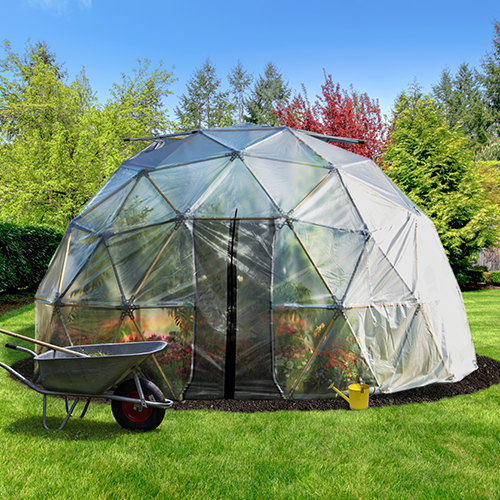
Growing your own vegetables is one of the best ways to enjoy fresh, nutritious food while reducing grocery costs and preserving seasonal harvests.
Homegrown vegetables are often harvested at peak ripeness, giving you exceptional flavor and allowing you to preserve them shortly after picking. With a Harvest Right freeze dryer, many vegetables can be enjoyed long after the growing season ends.
This guide highlights some of the most nutritious vegetables to grow, why they're good for you, how they're commonly used, and which ones freeze dry especially well.
What Makes a Vegetable Healthy?
A nutritious vegetable is generally one that provides:
- Vitamins
- Minerals
- Fiber
- Antioxidants
- Phytonutrients
- Low calorie density
- Versatility in the kitchen
The healthiest garden isn't necessarily the one with the most varieties—it's the one filled with foods your family enjoys eating throughout the year.

1. Kale
Kale consistently ranks among the most nutrient-dense leafy greens.
It provides:
- Vitamin A
- Vitamin C
- Vitamin K
- Fiber
- Calcium
- Antioxidants
Kale works well in:
- Smoothies
- Soups
- Salads
- Chips
- Pasta
- Egg dishes
Freeze drying makes it easy to create smoothie ingredients, soup additions, or kale powder for recipes.
2. Spinach
Spinach grows quickly and produces multiple harvests during cool weather.
It supplies:
- Iron
- Folate
- Vitamin K
- Vitamin A
- Vitamin C
Use it in:
- Smoothies
- Omelets
- Lasagna
- Soups
- Salads
- Pasta
Freeze-dried spinach can be added directly to soups or blended into smoothies.

3. Broccoli
Broccoli is packed with:
- Vitamin C
- Fiber
- Folate
- Potassium
It is excellent in:
- Stir fry
- Soup
- Casseroles
- Side dishes
Small florets freeze dry particularly well.
4. Tomatoes
Technically a fruit, tomatoes are one of the most valuable crops for home gardeners.
They can become:
- Sauce
- Salsa
- Soup
- Powder
- Slices
- Diced tomatoes
A productive tomato harvest can provide dozens of meals throughout the year.
5. Carrots
Carrots provide:
- Beta-carotene
- Fiber
- Potassium
Excellent for:
- Soups
- Roasting
- Stews
- Snacks
They rehydrate well when properly prepared.
6. Bell Peppers
Bell peppers are among the richest sources of Vitamin C.
They also provide:
- Vitamin A
- Fiber
- Antioxidants
Freeze-dried peppers work well in:
- Omelets
- Chili
- Pasta
- Soups
- Fajitas
7. Sweet Potatoes
Sweet potatoes are an excellent source of:
- Beta-carotene
- Fiber
- Potassium
Freeze dry cooked cubes, mashed sweet potatoes, or complete recipes.
8. Green Beans
Green beans are productive and versatile.
Great for:
- Soups
- Side dishes
- Casseroles
- Vegetable blends
Many gardeners succession-plant green beans to extend the harvest season.

9. Peas
Peas contain:
- Plant protein
- Fiber
- Vitamin C
Excellent for:
- Rice dishes
- Soup
- Pasta
- Pot pies
10. Garlic
Garlic is one of the highest-value crops for home gardeners.
Freeze dry cloves to create:
- Garlic powder
- Seasoning blends
- Soup bases
11. Onions
Onions are one of the most frequently used cooking ingredients.
Freeze dry:
- Diced onions
- Onion slices
- Onion powder
12. Beets
Beets provide:
- Folate
- Potassium
- Fiber
Both the roots and greens can be used.
13. Brussels Sprouts
These cool-weather vegetables provide:
- Vitamin K
- Fiber
- Vitamin C
Excellent roasted or added to vegetable blends.
14. Swiss Chard
Swiss chard produces throughout much of the growing season.
It contains:
- Vitamins A, C, and K
- Magnesium
- Potassium
15. Herbs Deserve a Place Too
Although herbs aren't vegetables, they deserve a place in every healthy garden.
Consider growing:
- Basil
- Parsley
- Cilantro
- Dill
- Oregano
- Rosemary
- Thyme
Freeze-dried herbs retain excellent flavor and can become homemade seasoning blends.
The Best Vegetables to Freeze Dry
Some of the easiest vegetables to preserve include:
- Tomatoes
- Corn
- Peas
- Green beans
- Carrots
- Bell peppers
- Broccoli
- Cauliflower
- Spinach
- Kale
- Onions
- Garlic
- Herbs
Plan a Garden Around Meals
Instead of growing random vegetables, consider planting ingredients that naturally work together.
Soup Garden
- Carrots
- Celery
- Onions
- Green beans
- Peas
- Herbs
Salsa Garden
- Tomatoes
- Peppers
- Onions
- Garlic
- Cilantro
Pasta Garden
- Tomatoes
- Basil
- Garlic
- Onions
- Oregano
Smoothie Garden
- Spinach
- Kale
- Strawberries
- Blueberries
- Mint

Frequently Asked Questions
What is the healthiest vegetable to grow?
There isn't a single "healthiest" vegetable. Kale, spinach, broccoli, carrots, tomatoes, peppers, and leafy greens all provide different nutrients and are excellent choices for home gardens.
Which vegetables freeze dry the best?
Tomatoes, peas, corn, carrots, peppers, broccoli, green beans, spinach, kale, onions, and herbs all preserve well when properly prepared.
Which vegetables save the most money?
Tomatoes, herbs, peppers, leafy greens, berries, garlic, and specialty vegetables often provide the greatest grocery savings because they're relatively expensive to purchase fresh.
Can freeze-dried vegetables still be healthy?
Freeze drying preserves many characteristics of fresh vegetables because it removes water rather than using high drying temperatures. The final nutritional profile varies by vegetable, preparation, and storage conditions.
Grow Healthier Food All Year Long
A productive vegetable garden provides more than summer meals.
It gives you the opportunity to grow nutritious ingredients, preserve seasonal abundance, reduce grocery costs, and enjoy homegrown food throughout the year.
Whether you're planting a few raised beds or a large backyard garden, choosing nutrient-dense vegetables and preserving them with a Harvest Right freeze dryer helps ensure your harvest continues long after the growing season ends.
Share:
Have You Taken the Test?
Have You Taken the Test?