

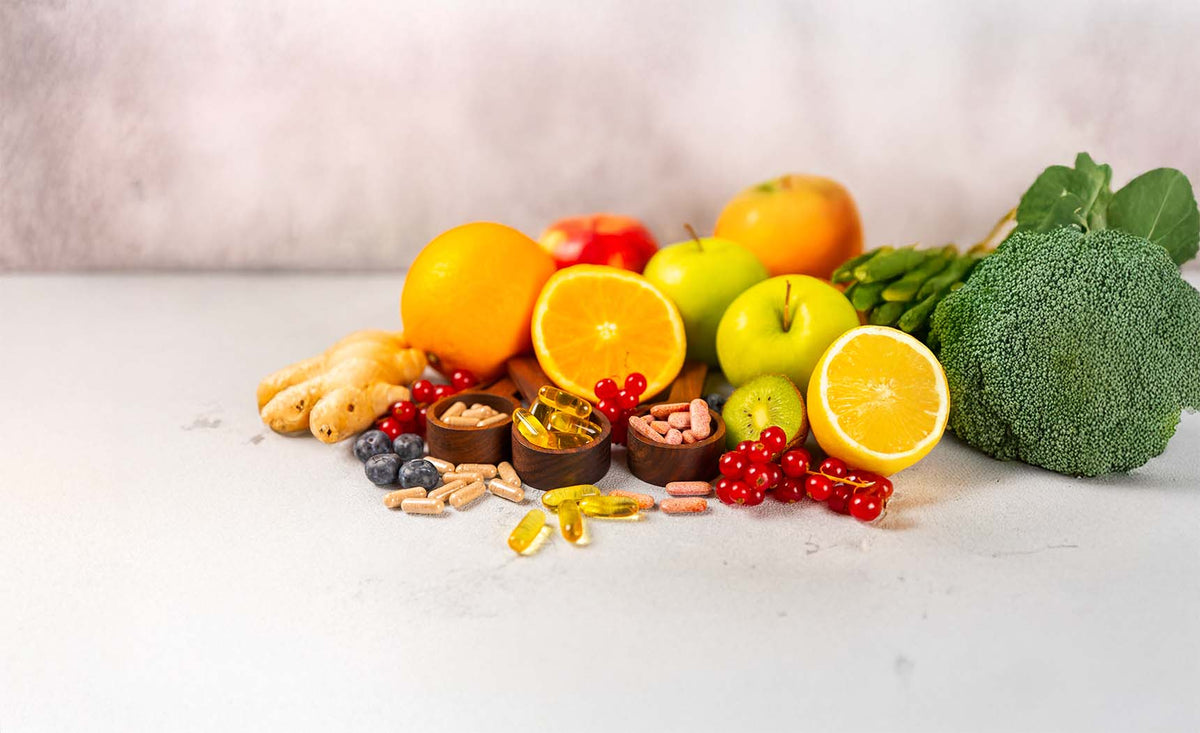
Das Festhalten an einer festen Abfolge von Mahlzeiten – insbesondere bei der Gewichtskontrolle – kann unbemerkt dazu führen, dass die Vielfalt der Vitamine und Mineralstoffe, die Sie zu sich nehmen, eingeschränkt wird, selbst wenn jede Mahlzeit für sich genommen „gesund“ erscheint. Hier erfahren Sie, was dabei häufig zu kurz kommt und wie Sie durch mehr Abwechslung (ob gefriergetrocknet oder anderweitig) diese Lücke schließen können.
Vitamin D: Ein häufiger Mangel
Einigen Forschungsergebnissen zufolge nehmen viele Erwachsene nicht genügend Vitamin D zu sich, was vor allem daran liegt, dass es hauptsächlich durch Sonneneinstrahlung und nicht über die Nahrung aufgenommen wird – und die meisten von uns verbringen den Großteil der Tageslichtstunden in Innenräumen oder tragen im Freien Sonnencreme. Ein niedriger Vitamin-D-Spiegel wird mit Depressionen, Magen-Darm-Beschwerden, Knochenschmerzen und einer erhöhten Krankheitsanfälligkeit in Verbindung gebracht. Zu den Nahrungsquellen zählen Lachs, Thunfisch, angereicherte Milch und Orangensaft – allesamt Lebensmittel, auf die Abnehmwillige oft als Erstes verzichten, da fetter Fisch, Saft und Milch in der Regel als Erstes aus einem kalorienbewussten Speiseplan gestrichen werden.

Weitere Nährstoffe, auf die man achten sollte
- Vitamin E (Antioxidans) – Mandeln, Sonnenblumenkerne, Haselnüsse, Sardinen, Avocados, Sonnenblumen- und Distelöl
- Magnesium (Blutdruck, Immunfunktion, Knochenfestigkeit) – Nüsse, Erdnussbutter, Spinat, Haferflocken, Bohnen, Linsen
- Vitamin K (Zellwachstum) – Grünkohl, Kohlblätter, Spinat, Rübengrün, Senfgrün, Rosenkohl, Brokkoli
- Cholin (Muskel- und Nervenfunktion) – Eier, Bohnen, Erbsen
Wie Gefriertrocknung Ihnen hilft, mehr Abwechslung vorrätig zu haben
Die oben genannten Lebensmittel haben eines gemeinsam: Sie lassen sich leicht aus dem Speiseplan streichen, sobald sie unpraktisch sind oder kurz vor dem Verderben stehen. Durch die Gefriertrocknung kehrt sich das um – eine gut gefüllte Vorratskammer mit gefriergetrocknetem Lachs, Blattgemüse und Obst und Gemüse bedeutet, dass die Abwechslung nicht davon abhängt, was in dieser Woche im Kühlschrank frisch ist. Unser Rezept für gefriergetrockneten Lachs mit Pesto ist eine praktische Möglichkeit, regelmäßig eine Vitamin-D-Quelle im Speiseplan zu haben, und in unserem Artikel „Fünf nährstoffreiche Lebensmittel zum Gefriertrocknen“ finden Sie weitere Optionen, die es wert sind, vorrätig zu haben.
Wenn Sie den Verdacht haben, dass Ihnen ein bestimmter Nährstoff tatsächlich fehlt, sind eine Blutuntersuchung und ein Gespräch mit Ihrem Arzt der richtige nächste Schritt, insbesondere wenn Sie eine kalorienreduzierte Diät einhalten – eine abwechslungsreiche Ernährung ist zwar hilfreich, ersetzt jedoch keinen ärztlichen Rat.
Möchten Sie Ihre Vorratsrotation erweitern, ohne dass dabei Lebensmittel verschwendet werden? Erfahren Sie, welche anderen Lebensmittel sich gut gefriertrocknen lassen, oder sehen Sie sich das gesamte Sortiment an Gefriertrocknern an, um loszulegen.

Häufig gestellte Fragen
Warum könnte es sein, dass mir Nährstoffe fehlen, obwohl ich mich gesund ernähre?
Wenn man sich immer wieder auf dieselben bewährten Mahlzeiten beschränkt – was bei der Gewichtsregulierung häufig vorkommt –, kann dies die Vielfalt der aufgenommenen Vitamine und Mineralstoffe einschränken, auch wenn jede einzelne Mahlzeit für sich genommen nahrhaft erscheint.
Welche Nährstoffe werden häufig zu wenig aufgenommen?
Vitamin D, Vitamin E, Magnesium, Vitamin K und Cholin sind Nährstoffe, bei denen häufig ein Mangel auftritt, wenn die Ernährung eintönig wird, da die entsprechenden Nahrungsquellen oft als Erstes aus einem kalorienbewussten Speiseplan gestrichen werden.
Können gefriergetrocknete Lebensmittel zu einer größeren Nährstoffvielfalt beitragen?
Ja – wenn man stets eine große Auswahl an gefriergetrockneten Gemüsesorten, Blattgemüse und Eiweißquellen vorrätig hat, fällt es leichter, auch solche Nährstoffquellen in den Speiseplan einzubauen, die man sonst auslassen würde, wenn frische Varianten gerade nicht zur Hand sind.
Sollte ich Nahrungsergänzungsmittel einnehmen, wenn ich glaube, dass mir ein Nährstoff fehlt?
Sprechen Sie mit Ihrem Arzt und ziehen Sie zunächst eine Blutuntersuchung in Betracht, insbesondere wenn Sie eine kalorienreduzierte Diät einhalten – die Einnahme von Nahrungsergänzungsmitteln sollte auf einem tatsächlichen Mangel beruhen und nicht auf einer Vermutung.
Teilen:
Die Vorratskammer eines Preppers einrichten
Die Vorratskammer eines Preppers einrichten