

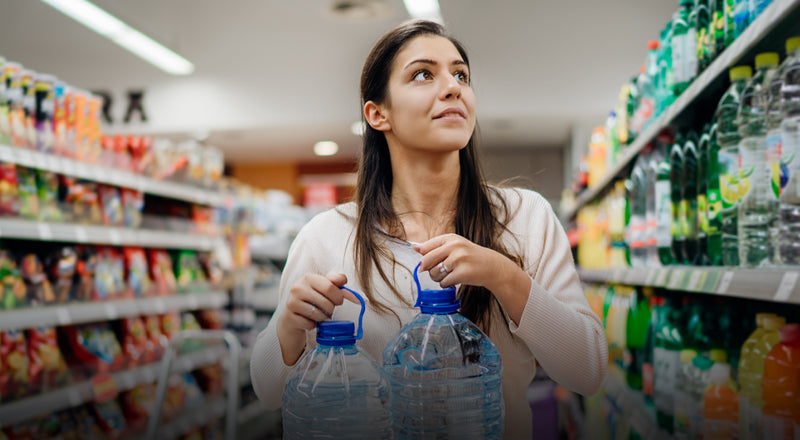
Our grandparents were preppers. They just didn't have a word for it.
"Prepper" Is a New Word for a Very Old Habit
The last decade or so has turned "prepping" into something that feels new, trendy, or worth raising an eyebrow at — reality TV shows built entire seasons around it. But the habit itself isn't new at all. My grandparents didn't think twice about keeping enough food on hand to get through a full year until the next crop came in. My parents tried to keep two years' worth, so a single failed crop wouldn't leave them short. What's changed isn't the instinct — it's that most of us lost touch with it.
Two generations of mass food production and long-distance transportation moved our tables away from local, seasonal food and toward a revolving mix of produce and heavily processed grains from everywhere but home. A lot of households today keep only a few days of food in the house at any given time, restocking in small trips rather than planning further ahead — a real shift from how earlier generations managed a kitchen.
Learning the Old Skills From Scratch
Years ago, I set out to relearn what my parents and grandparents already knew. I built raised garden beds, planted fruit trees and bushes, and — over my husband's objections — started raising a small flock of chickens and ducks. I canned, dried, froze, and fermented food, and eventually took the master food preserver course.
I got good at building a supply. What I struggled with was rotation. Jars of last year's pot roast would get pushed behind the new stuff and slide into "questionable" territory before I got back to them. Some percentage of everything I put up got lost to mismanagement every single year. And some foods simply couldn't be preserved safely by any method I had.
Watching and Waiting
I had my eye on a home freeze dryer for years before I bought one. Harvest Right was still fairly new to the market, and as an electrician, I expected some early kinks. I joined the email list and watched: the controls went from dual knobs to a full user interface, new size options came out, and friends of mine bought units before I was ready to make the financial jump myself. I was a little jealous every time. But I was certain of one thing — this was a genuinely new approach to the very old problem of keeping a family fed. New leather on an old shoe.
In my own workshops and seminars, I'd walk through every preservation method available, and I always ended with a picture of a Harvest Right, telling the room that if they really wanted a long-term food supply, this was the machine to have — someday.
Finally Taking the Leap
This year, I finally did it. I'm hooked. I genuinely wish I hadn't waited so long. The food comes out tasting good, not just "preserved" — and freeze-drying retains far more of a food's original nutrition and texture than most other home preservation methods, without the flavor or texture loss that comes with canning or dehydrating. Nearly anything can be freeze-dried, with a few caveats around very high-fat or high-sugar foods.
And the rotation problem I struggled with for years? It barely matters anymore. Properly stored freeze-dried food holds up for up to 25 years, so it'll still be good whenever I actually get around to using it — likely outlasting me, if I'm honest. My kids and grandkids will use what I put away long after I'm gone, which is a strange kind of comfort. My kids have made it clear they have zero interest in inheriting my grandmother's brooch or the good dining set — but they've already told me they want the freeze dryer.
Who This Actually Helps
Friends managing food allergies and dietary restrictions get meals made exactly to their own specifications. Friends who travel get lightweight food that only needs water. Friends who grow anything — from a patio tomato plant to acres of corn — get a real way to keep what they grow instead of watching it spoil.
I'm grateful someone in Utah had this vision, pursued it, and built something that holds up. If you've been on the fence, don't be afraid to take the leap — you won't regret it.
Donna Hoaks lives in Indiana and is a master food preserver, teaching workshops and seminars on self-reliance and preparedness.
More From Donna and on Building a Prepared Pantry
End-of-month preparedness checklist covers three free things worth doing before the month is out. Organizing a prepper's pantry has more on turning a growing food supply into something actually usable.
Frequently Asked Questions
Is "prepping" actually a new trend?
No — it's a rebrand of habits older generations practiced as a matter of course, like keeping a year or more of food on hand between harvests. What's new is the word, not the behavior.
Does freeze-dried food really last up to 25 years?
Yes, when properly stored — which also solves one of the biggest headaches of other preservation methods: worrying about rotating stock before it goes bad.
What foods are hardest to freeze-dry well?
Very high-fat and high-sugar foods are the main exceptions; most other foods, including complete cooked meals, freeze-dry well.
Share:
National Preparedness Month: How to Prepare Your Family for an Emergency
End-of-Month Preparedness Checklist