

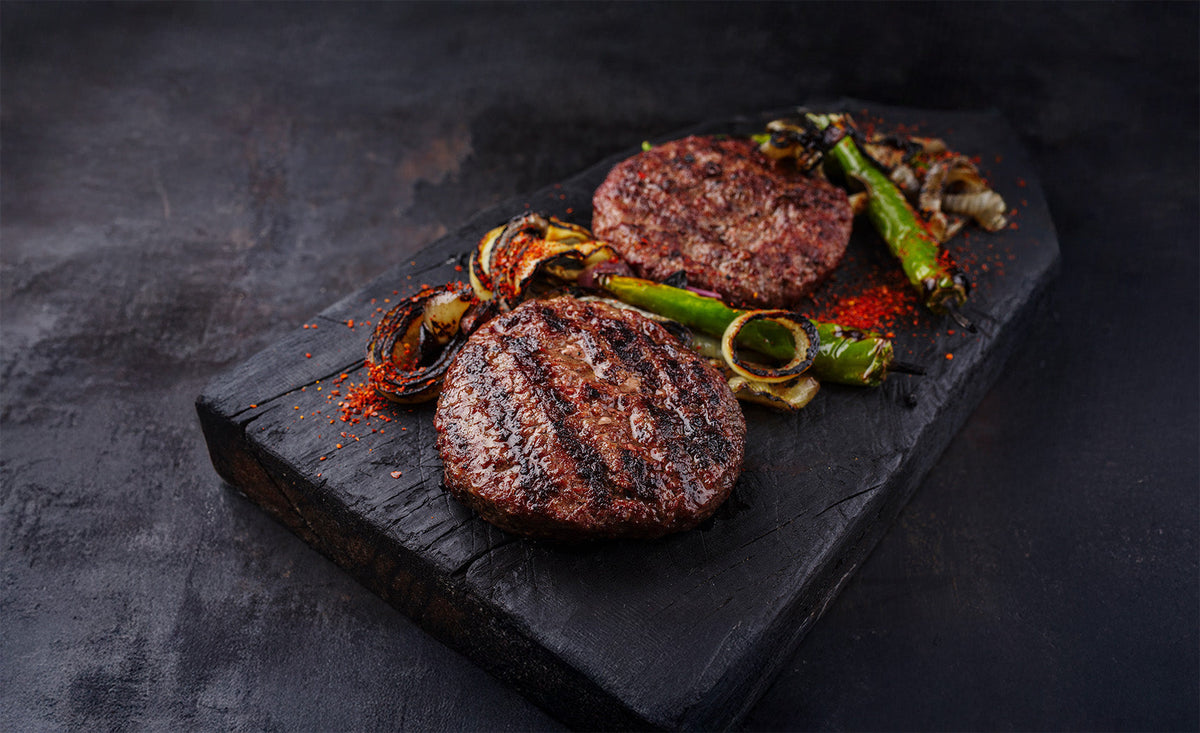
Hamburgers are easy to make, popular with nearly every age group, and perfect for summer cookouts—but they can also leave you with more food than your family can eat.
Instead of letting extra burgers sit in the refrigerator until they go to waste, you can freeze dry them for future meals. Properly prepared hamburger patties become lightweight, convenient, and easy to rehydrate for lunches, camping trips, emergency food storage, or quick dinners.
This guide explains how to prepare, freeze dry, package, and rehydrate cooked hamburger patties for the best possible results.
Can You Freeze Dry Hamburgers?
Yes. Cooked hamburger patties can be freeze dried and later rehydrated for use as burgers or broken into pieces for other meals.
Freeze drying hamburgers can help you:
-
Preserve cookout leftovers
-
Reduce food waste
-
Save meat purchased during a sale
-
Prepare convenient camping meals
-
Build a supply of ready-to-use protein
-
Make weeknight meal preparation easier
For the most practical results, we recommend fully cooking hamburger patties before freeze drying them.

Why Cook Hamburgers Before Freeze Drying?
Cooking the meat first creates a ready-to-rehydrate food that requires less preparation later.
It also allows you to:
-
Confirm that the ground beef was safely cooked
-
Drain and remove excess fat
-
Season the patties before preserving them
-
Reheat and serve them more easily
-
Crumble the meat into other recipes after rehydration
Ground beef should be cooked to an internal temperature of 160°F, measured with a food thermometer. Color alone is not a reliable indicator of safety.
Choose Lean Ground Beef
Lean ground beef is generally the best choice for freeze drying.
Fat does not freeze dry in the same way water does, and it can oxidize or become rancid over time. Choosing lean beef and removing excess grease can improve storage quality.
Look for ground beef that is:
-
Fresh
-
Lean
-
Free from freezer burn
-
Properly refrigerated before cooking
Hamburgers with substantial amounts of cheese, bacon, butter, or oily sauces may still freeze dry, but their higher fat content can limit long-term storage quality.
How to Prepare Hamburgers for Freeze Drying
Step 1: Form Even Patties
Shape the ground beef into patties of similar size and thickness.
Uniform patties cook and freeze dry more evenly. Avoid making them excessively thick, because moisture takes longer to escape from the center.
You may season the meat with:
-
Salt
-
Black pepper
-
Garlic powder
-
Onion powder
-
Dried herbs
-
Your preferred hamburger seasoning
Avoid mixing in large quantities of oil, butter, cheese, or fatty ingredients when long-term storage is the goal.
Step 2: Cook the Hamburgers Completely
Grill, bake, broil, or pan-cook the patties until the center reaches 160°F.
Use a food thermometer inserted into the thickest part of the patty. Do not rely only on the interior color, because safely cooked ground beef can remain pink and undercooked beef can sometimes appear brown.
Step 3: Remove Excess Grease
After cooking:
-
Place the patties on a clean plate lined with paper towels.
-
Blot the tops and bottoms.
-
Allow excess grease to drain.
-
Let the patties cool before placing them on the trays.
Removing surface grease improves the finished product and helps reduce the amount of fat placed into storage.
Step 4: Arrange the Patties on the Trays
Place the cooked patties in a single layer on the freeze dryer trays.
Do not overlap or stack them. Leave enough room for even exposure around each patty.
For easier rehydration, you may also:
-
Cut patties in half
-
Divide them into smaller portions
-
Crumble the cooked meat
-
Form thinner patties before cooking
Smaller and thinner portions usually dry and rehydrate more evenly.
How to Freeze Dry Hamburger Patties
Load the prepared trays into your Harvest Right freeze dryer and begin the appropriate cycle.
When the cycle is complete:
-
Check the thickest patty.
-
Break or cut into the center if necessary.
-
Confirm that there are no cool, soft, flexible, or moist areas.
-
Add more dry time if there is any uncertainty.
-
Package the patties as soon as they have cooled sufficiently.
Hamburgers must be completely dry before packaging. Moisture left in the center can reduce storage life and compromise the entire package.

How to Tell When Hamburgers Are Completely Dry
A finished hamburger patty should be:
-
Dry throughout
-
Firm or crisp rather than soft
-
Free from cold or damp areas
-
Easily broken or crumbled
-
Uniform in texture from the outside to the center
Always test the thickest pieces in the batch.
If one patty is not completely dry, add additional drying time and check again.
How to Package Freeze-Dried Hamburgers
For long-term storage, use packaging that protects the meat from moisture, oxygen, light, and heat.
A common method is:
-
Place meal-size portions in Mylar bags.
-
Add an appropriately sized oxygen absorber.
-
Heat-seal the bag completely.
-
Label it with the contents and packaging date.
-
Store it in a cool, dry, dark location.
Vacuum-sealed jars can work well for hamburger that will be used regularly, but Mylar bags with oxygen absorbers are generally more practical for extended storage.
Packaging patties individually or in small meal-size portions prevents you from repeatedly opening a larger package.
How Long Will Freeze-Dried Hamburger Last?
There is no single guaranteed shelf life for every batch.
Storage quality depends on:
-
How lean the beef is
-
How completely the patties were dried
-
How much grease remained
-
Packaging quality
-
Oxygen exposure
-
Storage temperature
-
Humidity and light exposure
Because hamburger contains fat, it generally deserves more conservative storage expectations than low-fat fruits, vegetables, rice, or pasta.
The best approach is to use lean meat, remove excess grease, package carefully, store under stable conditions, and rotate higher-fat foods sooner than low-fat pantry staples.
How to Rehydrate Freeze-Dried Hamburgers
Hamburger patties rehydrate best with warm water or broth and enough time for moisture to reach the center.
Basic Method
-
Place the patty in a shallow bowl or covered container.
-
Add warm water or broth gradually.
-
Turn the patty so both sides contact the liquid.
-
Cover the container.
-
Allow the burger to absorb the moisture.
-
Check the center.
-
Add more liquid if necessary.
-
Blot away excess surface water.
-
Reheat before serving.
Do not pour in too much liquid at once. Gradual rehydration usually produces better texture.
Using Broth
Beef broth can add flavor while the patty rehydrates.
Because broth may contain salt, taste the burger before adding more seasoning.
Reheating on the Grill or Skillet
After rehydrating:
-
Pat the surface dry.
-
Warm it briefly on a grill or skillet.
-
Turn once or twice.
-
Heat until it reaches a safe and enjoyable serving temperature.
A brief finish on the grill can improve the exterior texture without drying out the center.
Can You Rehydrate a Hamburger in the Microwave?
Yes.
For an individual patty:
-
Place it in a microwave-safe dish.
-
Add a small amount of warm water or broth.
-
Cover loosely.
-
Microwave in short intervals.
-
Turn the patty between intervals.
-
Let it rest while covered.
-
Add more moisture if the center remains dry.
Short intervals are better than one long heating period, which may overheat the outside before the center fully rehydrates.
What If the Burger Is Dry After Rehydrating?
A dry center usually means the patty needs:
-
More liquid
-
More resting time
-
Better contact with the water
-
A covered container to retain steam
Add a small amount of warm water or broth, cover it again, and allow more time.
Very thick patties may never rehydrate as evenly as thinner ones. Consider forming thinner hamburgers or cutting them into halves before freeze drying future batches.
Other Ways to Use Freeze-Dried Hamburger
A freeze-dried patty does not have to be served on a bun.
Once rehydrated, it can be crumbled into:
-
Tacos
-
Burritos
-
Chili
-
Spaghetti sauce
-
Sloppy joes
-
Beef casseroles
-
Vegetable soup
-
Shepherd’s pie
-
Macaroni and beef
-
Breakfast scrambles
-
Rice bowls
You can also freeze dry cooked ground beef as crumbles instead of patties. Crumbled beef is often easier to portion, package, rehydrate, and add directly to recipes.
Patties vs. Ground-Beef Crumbles
Both forms have advantages.
Freeze-Dried Patties
Best for:
-
Hamburgers
-
Sandwiches
-
Cookout leftovers
-
Individual meals
-
Camping dinners
Freeze-Dried Crumbles
Best for:
-
Tacos
-
Pasta sauce
-
Chili
-
Soups
-
Casseroles
-
Meal preparation
If versatility is your main goal, cooked ground-beef crumbles may be more useful. If you want the experience of serving an actual hamburger, preserve patties.
Can You Freeze Dry Cheeseburgers?
A plain cooked hamburger patty is usually the best starting point.
Cheese can be freeze dried, but it adds fat and may affect storage quality. Lettuce, tomato, pickles, mayonnaise, and condiments should generally be packaged or added separately rather than freeze drying the fully assembled burger.
For best results:
-
Freeze dry the cooked patty.
-
Store buns separately.
-
Add cheese and toppings after rehydrating and reheating the meat.
This also gives you more flexibility when serving the burgers later.
Can You Freeze Dry Raw Hamburger Patties?
The older version of this article included instructions for freeze drying raw patties. For a clearer and more useful household guide, this updated version focuses on fully cooked hamburger patties.
Freeze drying is not a cooking step. Raw ground beef can contain harmful bacteria and must still be handled as raw meat, protected from cross-contamination, and cooked to 160°F before eating.
Cooking before freeze drying removes that extra step and creates a more convenient product for later meals.
Food-Safety Tips
Use the same careful practices you would use when preparing any ground-beef meal:
-
Keep raw meat refrigerated until cooking.
-
Wash hands before and after handling raw ground beef.
-
Keep raw meat away from cooked food.
-
Clean utensils, trays, countertops, and cutting boards.
-
Cook patties to 160°F.
-
Cool and process food promptly.
-
Do not partially cook ground beef and finish cooking it much later.
-
Reheat rehydrated burgers thoroughly before serving.
USDA advises keeping ground beef at 40°F or below before cooking and avoiding room-temperature exposure for more than two hours—or one hour when temperatures are above 90°F.
Common Mistakes to Avoid
Using Very Fatty Beef
More fat can shorten storage quality and leave the finished product greasy.
Making Patties Too Thick
Thick patties take longer to dry and may remain moist in the center.
Packaging Before Checking the Center
The outside may feel dry while moisture remains inside.
Adding Too Much Rehydration Water
Start slowly. Excess liquid can make the patty soft and waterlogged.
Skipping the Covered Rest
The center needs time to absorb moisture.
Storing in a Hot Location
Heat accelerates quality loss, particularly in foods containing fat.
Frequently Asked Questions
Can cooked hamburgers be freeze dried?
Yes. Fully cooked hamburger patties can be freeze dried, packaged, and later rehydrated for burgers or other meals.
What type of ground beef is best?
Lean ground beef is generally preferable because it contains less fat. Remove as much surface grease as practical after cooking.
What temperature should hamburgers reach before freeze drying?
Cook ground-beef patties to an internal temperature of 160°F, measured with a food thermometer.
Do I need to rehydrate a freeze-dried hamburger before eating it?
For the best texture and eating experience, yes. Add warm water or broth gradually, cover, rest, and then reheat.
Can freeze-dried hamburger be added directly to soup?
Yes. Crumbled hamburger can be added directly to soup, chili, or another liquid-based meal and allowed to rehydrate as the dish cooks.
Is it better to freeze dry patties or crumbled beef?
Patties are best when you want to serve hamburgers. Crumbled beef is more versatile for tacos, soups, pasta, casseroles, and meal prep.
Can I freeze dry leftover grilled hamburgers?
Yes. Blot away excess grease, arrange them in one layer, verify complete dryness, and package promptly.
Preserve Cookout Favorites for Later
Freeze drying hamburgers is an easy way to prevent cookout leftovers from going to waste while creating a convenient source of cooked protein.
For the best results, start with lean ground beef, cook the patties completely, remove excess grease, use thinner portions, and confirm that the centers are fully dry before packaging.
When you are ready to serve them, rehydrate slowly with warm water or broth, allow enough resting time, and briefly reheat the patties on a grill, skillet, or in the microwave.
You can enjoy them as traditional hamburgers or crumble them into tacos, chili, pasta, soup, and dozens of other meals.
Share:
Freeze Drying Asparagus
Home Freeze Dried Food vs. Commercially Freeze Dried Food