

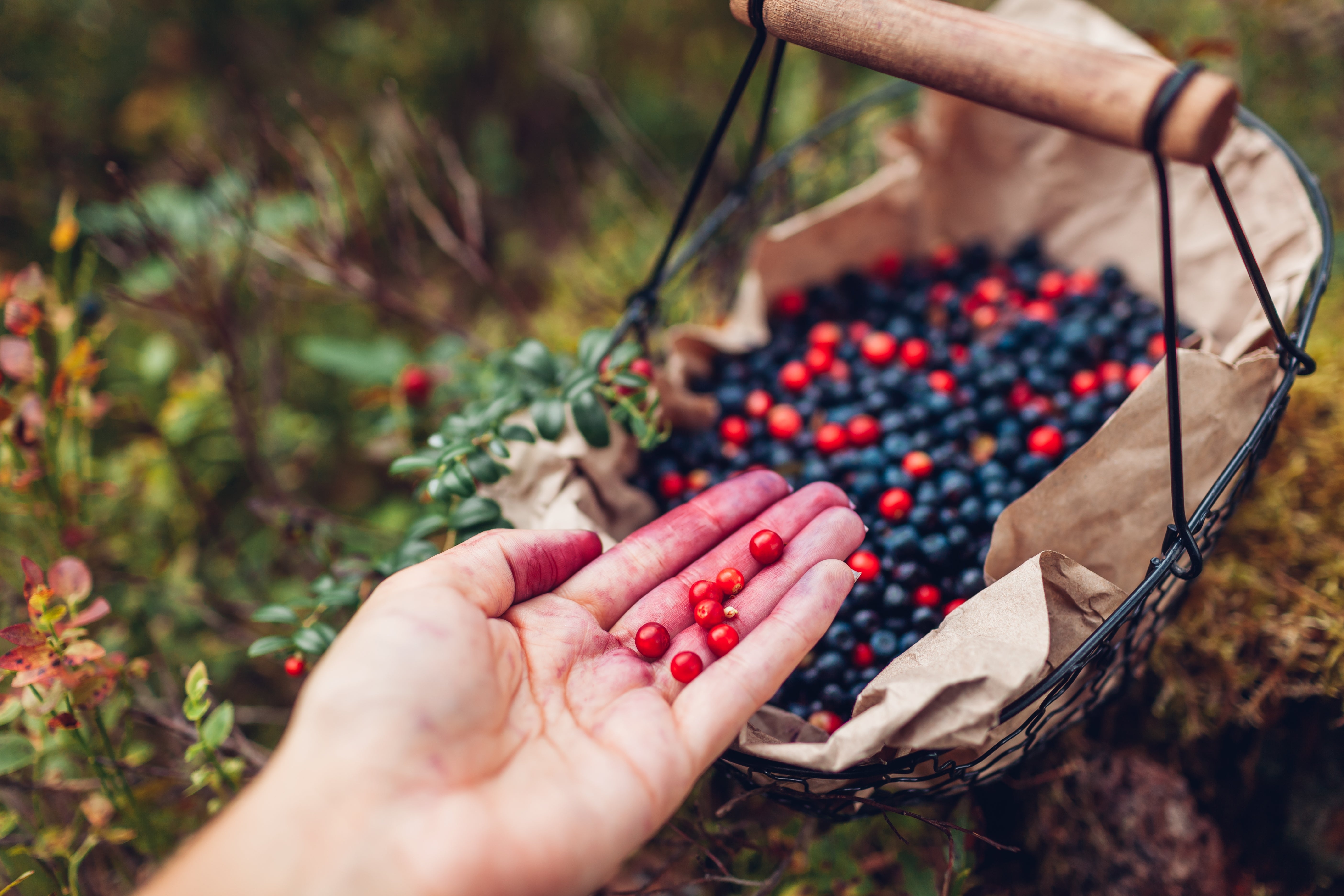
Foraging is one of the oldest ways people have gathered food.
From wild berries and edible greens to mushrooms, herbs, and seasonal fruits, nature offers an incredible variety of foods that can be enjoyed fresh or preserved for later use.
A home freeze dryer provides another way to preserve many responsibly harvested wild foods, making it easier to enjoy seasonal flavors long after the growing season has ended.
Whether you're just beginning to explore foraging or you've spent years hiking woodland trails and mountain meadows, this guide explains how freeze drying fits into a modern food preservation plan while emphasizing safe, ethical harvesting practices.
Why People Love Foraging
Foraging offers much more than free food.
For many people, it provides an opportunity to:
-
Spend time outdoors
-
Learn traditional skills
-
Connect with nature
-
Discover regional foods
-
Supplement a home garden
-
Preserve seasonal ingredients
-
Reduce food waste
-
Share family traditions
Every region has its own unique edible plants, berries, herbs, mushrooms, and fruits that appear throughout the year.
Learning when and where they grow is part of the adventure.

Safety Always Comes First
Before discussing any edible wild foods, one principle is more important than any preservation method:
Never eat a wild plant or mushroom unless you are completely confident it has been correctly identified.
Many edible species have poisonous look-alikes.
If you're new to foraging:
-
Learn from experienced foragers whenever possible.
-
Use multiple reliable field guides.
-
Learn one species at a time.
-
Never guess.
-
Leave questionable plants behind.
-
Follow local regulations and seasonal restrictions.
Freeze drying preserves food—it does not make an unsafe plant safe to eat.
Harvest Responsibly
Responsible foraging helps protect natural ecosystems and ensures future harvests.
Good practices include:
-
Harvest only where it is legal.
-
Respect private property.
-
Avoid protected areas unless harvesting is specifically permitted.
-
Leave enough plants, berries, or mushrooms for wildlife and natural regeneration.
-
Harvest carefully to avoid unnecessary damage.
-
Stay on established trails when appropriate.
-
Avoid collecting near roadsides, industrial areas, or locations that may be contaminated.
Ethical harvesting benefits both today's foragers and future generations.

Why Freeze Dry Foraged Foods?
Many wild foods have short harvest windows.
A successful berry patch may last only a few weeks.
Spring greens disappear quickly.
Wild herbs often reach peak flavor for a relatively short period.
Freeze drying allows many of these seasonal ingredients to be enjoyed throughout the year.
Benefits include:
-
Long-term storage when packaged properly
-
Lightweight ingredients
-
Convenient pantry organization
-
Easy meal preparation
-
Preservation of seasonal harvests
-
Portable foods for camping and hiking
Wild Berries
Wild berries are among the easiest and most rewarding foods to preserve.
Depending on where you live, you may find:
-
Huckleberries
-
Blackberries
-
Raspberries
-
Elderberries
-
Serviceberries
-
Wild blueberries
-
Salmonberries
-
Thimbleberries
Freeze-dried berries are delicious:
-
As snacks
-
In oatmeal
-
Mixed into yogurt
-
Added to pancakes
-
Ground into fruit powder for baking
Because they are naturally sweet and lightweight after freeze drying, berries are also excellent trail snacks.
Wild Mushrooms
Many experienced foragers enjoy collecting edible mushrooms.
Examples may include:
-
Morels
-
Chanterelles
-
Lion's Mane
-
Chicken of the Woods
Only preserve mushrooms that have been positively identified by someone with the appropriate knowledge and experience.
Before freeze drying:
-
Clean carefully.
-
Remove debris.
-
Trim damaged portions.
-
Slice larger mushrooms for more even drying.
Many mushroom enthusiasts enjoy adding freeze-dried mushrooms to soups, pasta dishes, sauces, omelets, and risotto after rehydration.

Wild Herbs
Wild herbs can add wonderful flavor to cooking.
Depending on your region, examples may include:
-
Wild mint
-
Lemon balm
-
Sage
-
Bee balm
-
Wild oregano
-
Thyme
Freeze-dried herbs can be used in:
-
Tea blends
-
Homemade seasoning mixes
-
Soups
-
Sauces
-
Marinades
-
Bread recipes
They also make thoughtful homemade gifts for fellow gardeners and outdoor enthusiasts.
Edible Greens
Many wild greens appear early in the growing season.
Examples include:
-
Dandelion greens
-
Lamb's quarters
-
Purslane
-
Stinging nettles (prepared appropriately)
-
Miner's lettuce (in some regions)
Many of these greens are cooked before eating.
Once freeze dried, they can be added to soups, casseroles, smoothies, pasta dishes, and other recipes.
Wild Fruits
Wild fruit trees and shrubs often produce more fruit than can be enjoyed fresh.
Depending on your location, examples may include:
-
Crabapples
-
Wild apples
-
Chokecherries
-
Persimmons
-
Wild plums
Freeze-dried fruit works well in:
-
Baking
-
Breakfast cereals
-
Smoothies
-
Desserts
-
Homemade fruit powders

Edible Flowers
Some edible flowers can also be preserved.
Examples include:
-
Calendula
-
Nasturtiums
-
Lavender
-
Roses
-
Violets
These may be used in:
-
Herbal teas
-
Baking
-
Dessert decoration
-
Salad garnishes
Only harvest flowers that have been positively identified as edible and that have not been treated with pesticides or other chemicals.
Preparing Wild Foods for Freeze Drying
Preparation depends on the food, but the basic workflow is similar.
Step 1: Sort Your Harvest
Remove damaged, bruised, or questionable pieces.
Step 2: Clean Carefully
Wash foods as appropriate for the specific ingredient.
Some mushrooms are brushed clean rather than soaked.
Step 3: Prepare for Drying
Slice larger foods into uniform pieces.
Smaller, evenly sized pieces generally dry more consistently.
Step 4: Arrange Food on Trays
Spread food into a single, even layer.
Avoid piling ingredients on top of one another.
Step 5: Freeze Dry
Allow the machine to complete the cycle.
Different foods require different drying times depending on moisture content and thickness.
Step 6: Check for Complete Dryness
Inspect the thickest pieces before packaging.
If any moisture remains, continue drying.
Step 7: Package Immediately
Protect freshly dried food from moisture by packaging it promptly.
Packaging and Storage
Proper packaging is just as important as the freeze-drying process.
Many foragers package foods using:
-
Mylar bags
-
Oxygen absorbers (for long-term storage)
-
Airtight glass jars for foods used regularly
Store food in a:
-
Cool
-
Dry
-
Dark location
Label Everything
One habit experienced foragers often recommend is detailed labeling.
Instead of writing only:
Morels
Try recording:
-
Species or common name
-
Harvest month
-
Harvest year
-
General location (if desired)
Example:
Morel Mushrooms
Bear Lake Region
May 2026
Detailed labels help create a personal record of seasonal harvests and make pantry organization much easier.
Freeze Drying Complements Other Preservation Methods
Freeze drying doesn't have to replace freezing, dehydrating, or canning.
Many experienced foragers use several preservation methods depending on the food.
For example:
-
Fresh berries for immediate eating
-
Jam for gifts
-
Frozen fruit for baking
-
Freeze-dried berries for snacks and smoothies
Choosing the right preservation method depends on how you plan to use the food later.
Frequently Asked Questions
Can you freeze dry wild berries?
Yes.
Many responsibly harvested wild berries freeze dry very well and can be enjoyed as snacks or added to a variety of recipes.
Can you freeze dry wild mushrooms?
Yes, provided they have been positively identified as edible and prepared appropriately before freeze drying.
Should mushrooms be washed before freeze drying?
Cleaning methods depend on the species.
Many mushroom enthusiasts brush away debris rather than soaking mushrooms in water.
Can I freeze dry edible flowers?
Many edible flowers can be freeze dried successfully.
Only preserve flowers that are known to be edible and have not been treated with pesticides or chemicals.
How should foraged foods be stored?
Package fully dried foods promptly and store them in airtight containers protected from moisture, oxygen, heat, and light.
Is freeze drying better than dehydrating for wild foods?
Each method has advantages.
Many foragers use both, selecting the preservation method that best fits the specific ingredient and its intended use.
Bringing the Seasons Home
One of the greatest rewards of foraging is enjoying the changing seasons.
A spring hike may bring edible greens, summer offers berries and herbs, late summer provides fruits, and autumn brings mushrooms in many regions.
Freeze drying allows many of those seasonal discoveries to become part of your pantry, making it possible to enjoy responsibly harvested foods long after the trails have quieted for the year.
Combined with thoughtful harvesting, careful identification, and proper storage, freeze drying can become another valuable tool for preserving the flavors and traditions of the outdoors.
Share:
Reduce Food Waste: Freeze-Dry It or Share It
How to Make Healthy Freeze-Dried Dog & Cat Treats at Home