

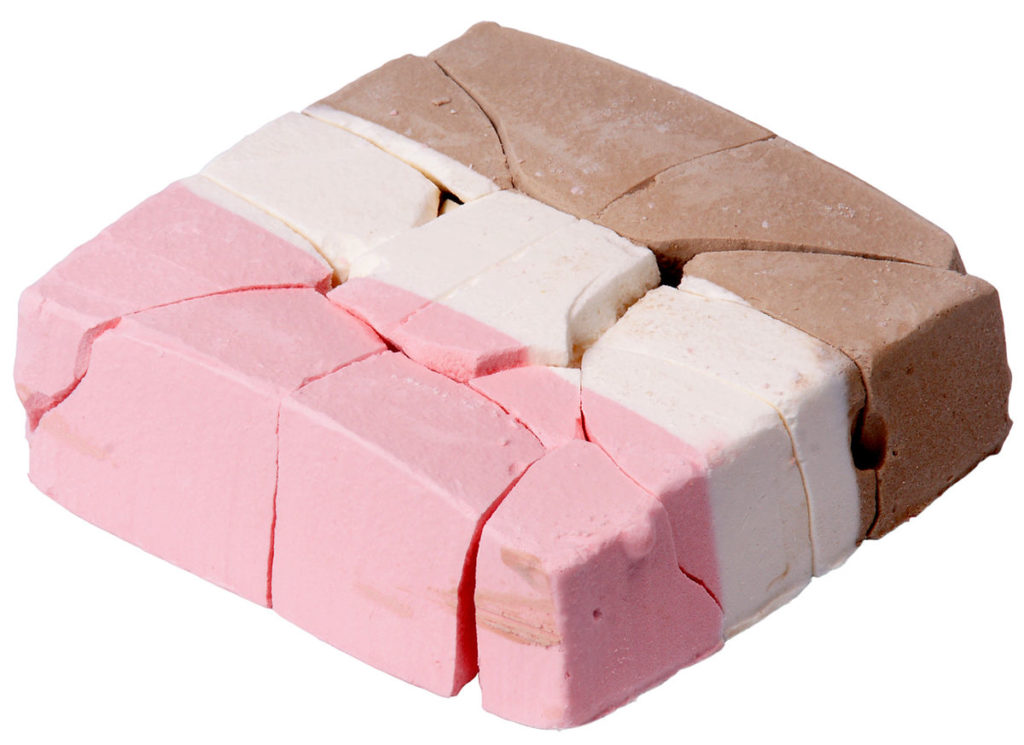
Si l'on interroge la plupart des gens sur les aliments lyophilisés dans l'espace, la réponse est presque toujours « la glace d'astronaute » — mais cette célèbre curiosité n'a en réalité jamais pris son envol. Ce qui a bel et bien été emporté à bord de toutes les missions habitées de la NASA depuis Apollo, ce sont de véritables aliments lyophilisés.
Le premier repas sur la Lune
Lorsque Neil Armstrong et Buzz Aldrin se sont attablés pour leur premier repas sur la Lune lors de la mission Apollo 11, le menu comprenait du bacon et des pêches lyophilisés — des aliments ordinaires rendus possibles dans un lieu extraordinaire grâce à la lyophilisation, qui les avait rendus suffisamment légers et stables pour être emportés.
Pourquoi la NASA recourt à la lyophilisation
Les aliments lyophilisés résolvent plusieurs problèmes à la fois pour les voyages spatiaux : ils sont nettement plus légers que les aliments frais ou surgelés, ne se détériorent pas sans réfrigération, conservent la majeure partie de leurs valeurs nutritionnelles d'origine et se réhydratent rapidement avec rien de plus que de l'eau chaude. Comme presque tous les aliments peuvent être lyophilisés, les astronautes bénéficient d'un menu véritablement varié au lieu d'une poignée de rations spatiales spécialement conçues — souvent les mêmes repas qu'ils mangeraient sur Terre, simplement déshydratés pour le voyage.
Comment les astronautes mangent-ils réellement dans l'espace ?
Contrairement à l’idée reçue selon laquelle ils mangeraient en pressant de la nourriture hors d’un tube, les astronautes mangent sur des plateaux avec des couverts classiques — fourchettes, couteaux et cuillères — ainsi que des ciseaux pour ouvrir les sachets de nourriture lyophilisée. En microgravité, manger se passe à peu près comme on pourrait s'y attendre une fois les aliments réhydratés : ils restent bien en place sur une cuillère ou dans un sachet, exactement comme sur Terre, et les équipages indiquent que leurs repas ont un goût familier et qu'ils les trouvent satisfaisants.
À propos de ce mythe sur la glace
La « glace d'astronaute » lyophilisée est l'une des idées reçues qu'il convient de dissiper : elle n'a en réalité jamais été emportée lors d'une mission de la NASA — elle a été mise au point et testée pour le programme Apollo, mais rejetée avant le décollage, puis vendue des années plus tard dans les boutiques de souvenirs des musées sous le nom d'« astronaute ».
Adopter cette technologie chez soi
Pas besoin d’un budget digne de la NASA pour lyophiliser vos propres aliments. Le guide « Comment lyophiliser chez soi » explique tout ce qu’il faut savoir pour se lancer avec un lyophilisateur domestique.
Foire aux questions
La NASA a-t-elle vraiment utilisé des aliments lyophilisés dans l'espace ?
Oui — La NASA a inclus des aliments lyophilisés dans toutes ses missions habitées depuis le programme Apollo, notamment du bacon et des pêches dans le premier repas pris par Neil Armstrong et Buzz Aldrin à la surface de la Lune.
Les astronautes ont-ils mangé de la glace lyophilisée dans l'espace ?
Non — malgré la popularité de la « glace d'astronaute », celle-ci a été mise au point et testée pour le programme Apollo, mais n'a jamais été emportée en mission ; ce nom est le fruit d'une stratégie marketing mise en place plus tard par les boutiques de souvenirs des musées.
Pourquoi les aliments lyophilisés sont-ils utiles pour les missions spatiales ?
Ces produits sont bien plus légers que les aliments frais ou surgelés, ne s'altèrent pas sans réfrigération, conservent la majeure partie de leurs valeurs nutritionnelles et se réhydratent rapidement avec simplement de l'eau chaude — autant de qualités précieuses lorsque chaque once de chargement compte.
Comment les astronautes mangent-ils en microgravité ?
Avec des plateaux et des couverts classiques : fourchettes, couteaux, cuillères et ciseaux pour ouvrir les sachets de nourriture lyophilisée. Une fois réhydratés, les aliments se comportent suffisamment normalement pour être consommés comme vous le feriez sur Terre.
Partager:
Lyophilisation d'aliments fermentés : levain, kéfir, choucroute
Truffes végétaliennes à la fraise et à la noix de coco, sans gluten