

So lagern Sie gefriergetrocknete Lebensmittel für eine maximale Haltbarkeit
Durch Gefriertrocknung lassen sich Lebensmittel jahrelang konservieren– doch was Sie nach dem Gefriertrocknungsvorgang tun, ist genauso wichtig wie der Vorgang selbst.
Sobald die Lebensmittel aus Ihrem Gefriertrockner kommen, treten sie wieder mit der Umgebungsluft in Kontakt. Feuchtigkeit, Sauerstoff, Wärme, Licht und eine ungeeignete Verpackung können die Haltbarkeit verkürzen und Geschmack, Konsistenz, Farbe und Qualität beeinträchtigen.
Deshalb sind die richtige Verpackung und Lagerung so wichtig.
Ganz gleich, ob Sie Erdbeeren aus dem Garten einmachen, Essensreste aufbewahren, Mahlzeiten für Wanderungen vorbereiten oder einen Langzeitvorrat an Lebensmitteln anlegen möchten – dieser Leitfaden erklärt Ihnen, wie Sie gefriergetrocknete Lebensmittel richtig lagern und die richtige Verpackung für den von Ihnen geplanten Verwendungszweck auswählen.
Warum die richtige Lagerung von gefriergetrockneten Lebensmitteln wichtig ist
Durch die Gefriertrocknung wird der größte Teil des Wassers aus Lebensmitteln entfernt.
Dieser Feuchtigkeitsmangel ist ein Grund dafür, dass ordnungsgemäß gefriergetrocknete Lebensmittel so lange haltbar bleiben.
Gefriergetrocknete Lebensmittel sind jedoch auch sehr porös und nehmen leicht Feuchtigkeit aus der Umgebungsluft auf.
Wenn Sie eine Handvoll gefriergetrockneter Früchte in einem feuchten Raum auf der Arbeitsplatte liegen lassen, werden Sie vielleicht feststellen, dass sich ihre knusprige Konsistenz allmählich verändert.
Bei der Langzeitlagerung geht es daher nicht nur darum, die Lebensmittel einfach zu gefriertrocknen.
Außerdem müssen Sie verhindern, dass Feuchtigkeit und Sauerstoff wieder eindringen.
Die richtige Verpackung und Lagerung kann dabei helfen:
Lebensmittel vor Feuchtigkeit schützen
Sauerstoffbelastung reduzieren
Geschmack und Konsistenz bewahren
Lebensmittel vor Licht schützen
Qualität sichern
Verlängerung der Haltbarkeit
Sorgen Sie dafür, dass Ihre Lebensmittel übersichtlich aufbewahrt und bei Bedarf griffbereit sind

Bevor Sie die Lebensmittel einlagern: Achten Sie darauf, dass sie vollständig trocken sind
Die richtige Lagerung beginnt schon, bevor man einen Beutel überhaupt verschließt.
Bevor Sie eine Charge entnehmen und verpacken, vergewissern Sie sich, dass die Lebensmittel vollständig gefriergetrocknet sind.
Überprüfen Sie nicht nur die kleinsten Teile.
Wählen Sie einige der größten oder dicksten Stücke aus verschiedenen Schalen aus und brechen Sie diese auf. Prüfen Sie die Mitte auf verbleibende Feuchtigkeit, kalte Stellen, Eis oder Weichheit, die darauf hindeuten könnten, dass eine weitere Trocknung erforderlich ist.
Vollwertige Mahlzeiten verdienen besondere Beachtung, da verschiedene Zutaten unterschiedlich schnell austrocknen können.
Beispielsweise kann ein kleines Stück Pasta völlig trocken sein, während ein großes Stück Fleisch oder Gemüse noch Feuchtigkeit enthält.
Wenn Sie sich nicht sicher sind, lassen Sie das Produkt noch etwas länger trocknen und prüfen Sie es dann erneut.
Verpacken Sie Lebensmittel niemals für die Langzeitlagerung, wenn Sie sich nicht sicher sind, ob sie vollständig trocken sind.
Ein Sauerstoffabsorber oder ein teurer Aufbewahrungsbeutel kann die Feuchtigkeit, die im Lebensmittel zurückgeblieben ist, nicht ausgleichen.
Gefriergetrocknete Lebensmittel unverzüglich verpacken
Sobald Sie sich vergewissert haben, dass Ihre Lebensmittel vollständig trocken sind, lassen Sie sie nicht unnötig offen stehen.
Gefriergetrocknete Lebensmittel können beginnen, Feuchtigkeit aus der Umgebungsluft aufzunehmen.
Dies ist besonders in feuchten Umgebungen wichtig.
Halten Sie Ihr Verpackungsmaterial bereit, damit Sie ohne unnötige Verzögerung von der Überprüfung der Lebensmittel zum Verpacken übergehen können.
Dazu könnten gehören:
Glasgefäße
Sauerstoffabsorber
Heißsiegelgerät
Etiketten
Permanentmarker
Wenn man bereits vor dem Öffnen des Gefriertrockners eine einfache Verpackungsstation bereitsteht, kann dies den Vorgang erheblich vereinfachen.

Wie lagert man gefriergetrocknete Lebensmittel am besten?
Es gibt keinen einzigen Aufbewahrungsbehälter, der für jede Situation am besten geeignet ist.
Die richtige Wahl hängt weitgehend davon ab, wie lange Sie die Lebensmittel lagern möchten und wie Sie sie verwenden wollen.
Beispielsweise müssen die Erdbeeren, die Ihre Familie diesen Monat als Snack naschen wird, nicht unbedingt genauso verpackt sein wie Lebensmittel, die Sie für die langfristige Notvorratshaltung einlagern.
Hier sind die wichtigsten Optionen.
Mylar-Beutel
Mylar-Beutel sind eine der praktischsten Möglichkeiten zur langfristigen Lagerung von gefriergetrockneten Lebensmitteln.
Sie sind leicht, kompakt, lassen sich einfach beschriften und bieten bei ordnungsgemäßem Verschluss einen zuverlässigen Schutz vor Feuchtigkeit und Licht.
Zur Langzeitlagerung werden üblicherweise Mylar-Beutel zusammen mit einem Sauerstoffabsorber in geeigneter Größe verwendet.
Vorteile von Mylar-Beuteln
Leicht
Platzsparend
Einfach zu beschriften
In verschiedenen Größen erhältlich
Lebensmittel vor Licht schützen
Leicht heißversiegelbar
Praktisch zum Portionieren von Mahlzeiten
Gut geeignet für die Langzeitlagerung
Nachteile von Mylar-Beuteln
Kann durchstochen werden
Nicht so praktisch für Lebensmittel, die man häufig öffnet
Schützen Sie empfindliche Lebensmittel nicht davor, zerquetscht zu werden
Meistens sind sie nicht durchsichtig, sodass man den Inhalt nicht sehen kann
Für zusätzlichen physischen Schutz können versiegelte Mylar-Beutel in stabile Vorratsbehälter oder Aufbewahrungskisten gelegt werden.
Das kann dazu beitragen, die Säcke vor Durchstichen, Schädlingen, Quetschungen und Beschädigungen während der Lagerung oder des Transports zu schützen.
So verschließt man gefriergetrocknete Lebensmittel in Mylar-Beuteln
Der Ablauf ist ganz einfach:
Achten Sie darauf, dass das Futter vollständig trocken ist.
Geben Sie die Lebensmittel in einen geeigneten Mylar-Beutel.
Lassen Sie oben genügend Platz, damit eine gute Abdichtung entsteht.
Fügen Sie bei Bedarf einen Sauerstoffabsorber in geeigneter Größe hinzu.
Achten Sie darauf, dass keine Speisereste in den Dichtungsbereich gelangen.
Verschweißen Sie den Beutel entlang der gesamten Öffnung vollständig.
Überprüfen Sie die Dichtung auf Lücken, Falten oder Speisereste.
Beschriften Sie das Paket.
Manche Leute bringen zum zusätzlichen Schutz eine zweite Schweißnaht über der ersten an.
Gehen Sie nicht davon aus, dass ein Beutel ordnungsgemäß verschlossen ist, nur weil er geschlossen aussieht. Überprüfen Sie die gesamte Verschlussnaht, bevor Sie ihn einlagern.
Sauerstoffabsorber
Sauerstoffabsorber kommen häufig zum Einsatz, wenn gefriergetrocknete Lebensmittel für eine längerfristige Lagerung verpackt werden.
Sie verringern die Sauerstoffmenge, die in einem ordnungsgemäß verschlossenen Behälter verbleibt.
Das kann dazu beitragen, die Lebensmittelqualität zu erhalten und die Oxidation während der Lagerung zu verringern.
Schnelles Arbeiten mit Sauerstoffabsorbern
Sobald Sie eine Packung Sauerstoffabsorber öffnen, beginnen diese, mit dem Sauerstoff in der Umgebungsluft zu reagieren.
Bevor Sie sie öffnen:
Bereiten Sie Ihr Essen vor.
Füllen Sie Ihre Aufbewahrungsbeutel oder Gläser.
Halten Sie Ihren Heißsiegelapparat bereit.
Finden Sie heraus, wie viele Absorber Sie benötigen.
Öffnen Sie anschließend die Verpackung mit den Absorbern, nehmen Sie das Benötigte heraus, geben Sie es in die Lebensmittelverpackungen und verschließen Sie alles umgehend.
Nicht verwendete Sauerstoffabsorber sollten in einem geeigneten luftdichten Behälter oder einer entsprechenden Verpackung wieder verschlossen werden.
Ein Sauerstoffabsorber behebt kein Problem mit einer mangelhaften Verpackung
Sauerstoffabsorber sind nützlich, aber sie sind kein Wundermittel.
Sie können Folgendes nicht ausgleichen:
Essen, das nicht ganz trocken war
Ein durchstoßener Mylar-Beutel
Eine schlechte Heißversiegelung
Feuchtigkeit, die in die Verpackung eindringt
Ungeeignete Lagerbedingungen
Betrachten Sie den Sauerstoffabsorber als einen Bestandteil des Lagersystems und nicht als das gesamte System.
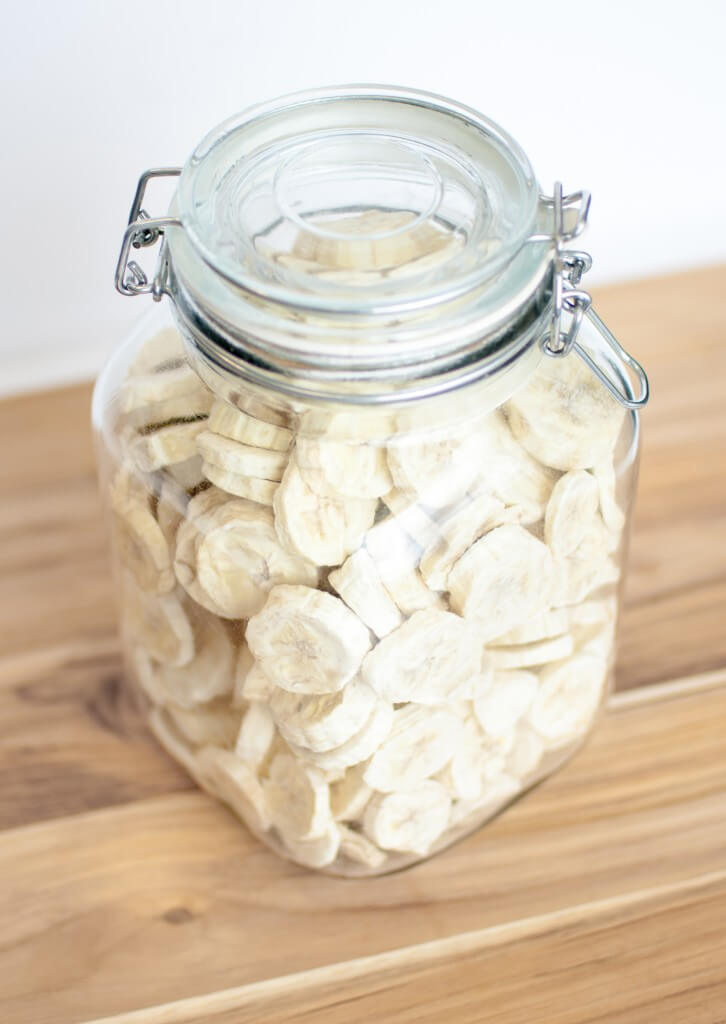
Glas und Einmachgläser
Glasbehälter eignen sich hervorragend für gefriergetrocknete Lebensmittel, die Sie regelmäßig verwenden.
Sie eignen sich besonders gut für Snacks wie zum Beispiel:
Erdbeeren
Äpfel
Man kann sehen, was drin ist, sie sind wiederverwendbar und lassen sich leicht öffnen.
Wann Jars sinnvoll sind
Gläser eignen sich besonders gut für Lebensmittel, die man relativ bald verzehren oder häufig entnehmen möchte.
Für eine längerfristige Lagerung können Gläser auch entsprechend verschlossen und zusammen mit einem Sauerstoffabsorber verwendet werden.
Bewahren Sie sie vor Licht geschützt auf, da klares Glas nicht denselben Lichtschutz bietet wie undurchsichtiges Mylar.
Vorteile von Gläsern
Wiederverwendbar
Leicht zu öffnen
Einfach zu organisieren
Essen ist sichtbar
Ideal für häufig verwendete Lebensmittel
Lebensmittel vor Quetschungen schützen
Nachteile von Gläsern
Zerbrechlich
Schwer
Mehr Platz einnehmen
Licht einfallen lassen
Schwieriger zu transportieren
Für eine Vorratskammer, in der Lebensmittel aufbewahrt werden, die Ihre Familie regelmäßig isst, können Gläser äußerst praktisch sein.
Vakuumversiegelte Beutel
Das Vakuumieren kann für bestimmte kurzfristige Lagerungszwecke nützlich sein, aber gehen Sie nicht davon aus, dass jeder vakuumversiegelte Plastikbeutel denselben Langzeitschutz bietet wie eine sorgfältig ausgewählte Mylar-Verpackung.
Kunststoffe unterscheiden sich darin, wie gut sie im Laufe der Zeit das Eindringen von Sauerstoff und Feuchtigkeit verhindern.
Wenn Sie eine langfristige Lagerung anstreben, wählen Sie eine Verpackung, die speziell für diesen Zweck geeignet ist.
#10 Dosen
#10-Dosen eignen sich auch zur langfristigen Lagerung von gefriergetrockneten Lebensmitteln.
Sie sind langlebig, bieten guten physischen Schutz und werden häufig für handelsübliche Trockenlebensmittel verwendet.
Der Nachteil für die meisten Privatanwender liegt in der Ausrüstung: Um Dosen ordnungsgemäß zu verschließen, benötigt man einen geeigneten Dosenverschließer.
Für Haushalte, die bereits über die nötige Ausrüstung verfügen, um Trockenlebensmittel in großem Umfang einzumachen, können sie nützlich sein. Für viele Besitzer von Gefriertrocknern für den Hausgebrauch sind Mylar-Beutel einfacher und kostengünstiger.
Kurzfristige vs. langfristige Lagerung
Eine der einfachsten Methoden bei der Auswahl einer Verpackung besteht darin, sich zunächst folgende Frage zu stellen:
Wann werde ich das eigentlich essen?
Essen, das du bald genießen wirst
Für Snacks und Zutaten, die Sie regelmäßig verwenden, reicht möglicherweise schon ein fest verschließbares Glas oder ein anderer geeigneter luftdichter Behälter aus.
Beispiele hierfür wären:
Obst zum Knabbern
Joghurtbonbons
In den Rezepten verwendetes Gemüse
Gefriergetrocknete Zutaten
Süßigkeiten
Lebensmittel, die Ihre Familie häufig isst
Es bringt wenig, jeden Snack so zu verpacken, als müsse er Jahrzehnte überdauern, wenn man doch weiß, dass man ihn nächste Woche essen wird.
Lebensmittel, die Sie länger lagern
Wenn Sie eine Vorratskammer einrichten oder Lebensmittel für deutlich längere Zeiträume lagern möchten, wird der Schutz vor Feuchtigkeit, Sauerstoff, Wärme und Licht immer wichtiger.
Hier kommen ordnungsgemäß verschlossene Mylar-Beutel mit Sauerstoffabsorbern – oder ein anderes geeignetes System zur Langzeitlagerung – besonders zum Tragen.
Wählen Sie die Verpackung entsprechend dem Verwendungszweck aus.
Wo sollten Sie gefriergetrocknete Lebensmittel aufbewahren?
Die Verpackung ist nur ein Teil des Ganzen.
Es kommt auch darauf an, wo man die Pakete abstellt.
Für eine längere Lagerung sollten Sie auf folgende Umgebungsbedingungen achten:
Cool
Trocken
Dunkel
Stall
Vor Schädlingen geschützt
Vor physischen Schäden geschützt
Mögliche Lagerorte können sein:
Vorratskammer
Einbauschrank
Kühler Keller
Spezieller Raum zur Lagerung von Lebensmitteln
Seien Sie vorsichtiger bei:
Heiße Dachböden
Feuchte Keller
Direkte Sonneneinstrahlung
Gebiete mit starken Temperaturschwankungen
Unisolierte Garagen
Standorte in der Nähe von Wärmequellen
Im Allgemeinen sind kühlere und stabilere Lagerbedingungen heißeren, schwankenden Umgebungen vorzuziehen.
Müssen gefriergetrocknete Lebensmittel gekühlt werden?
Ordnungsgemäß gefriergetrocknete und entsprechend verpackte, lange haltbare Lebensmittel müssen in der Regel nicht gekühlt werden, solange sie trocken und versiegelt bleiben.
Das ist einer der größten Vorteile der Gefriertrocknung.
Sobald man die Lebensmittel jedoch wieder mit Flüssigkeit versieht, ändert sich diese Situation.
Behandeln Sie rehydrierte Lebensmittel genauso wie die ursprünglichen frischen oder gekochten Lebensmittel und beachten Sie die entsprechenden Vorschriften zur Lebensmittelsicherheit und Lagerung im Kühlschrank.
Wie lange sind gefriergetrocknete Lebensmittel haltbar?
Sie haben wahrscheinlich schon einmal die Aussage gelesen, dass gefriergetrocknete Lebensmittel bis zu 25 Jahre haltbar sind.
Das ist bei vielen Lebensmitteln unter geeigneten Bedingungen möglich, sollte jedoch nicht als Garantie dafür ausgelegt werden, dass jedes Lebensmittel, das in einen Gefriertrockner gegeben wird, 25 Jahre haltbar ist.
Die tatsächliche Haltbarkeit hängt unter anderem von folgenden Faktoren ab:
Art der Lebensmittel
Fettgehalt
Wie gründlich es getrocknet wurde
Verpackungsmaterial
Sauerstoffexposition
Feuchtigkeitseinwirkung
Lagertemperatur
Lichteinwirkung
Dichtungsintegrität
Wie oft der Behälter geöffnet wird
Das bedeutet, dass zwei gefriergetrocknete Lebensmittel, die am selben Tag verpackt wurden, in der Praxis sehr unterschiedliche Haltbarkeitsdauern haben können.
Bei fettreichen Lebensmitteln gelten andere Erwartungen
Fett gefriert nicht auf dieselbe Weise wie Wasser.
Lebensmittel, die erhebliche Mengen an Fett enthalten, sind anfälliger für Oxidation und erfordern im Allgemeinen strengere Lagerbedingungen als fettärmere Lebensmittel.
Beispiele hierfür sind unter anderem:
Speck
Wurst
Fettreiches Fleisch
Einige Käsesorten
Speisen mit hohem Sahneanteil
Lebensmittel, die erhebliche Mengen an Öl oder Butter enthalten
Das bedeutet nicht unbedingt, dass man ein fetthaltiges Lebensmittel nicht gefriertrocknen kann.
Das bedeutet, dass man nicht automatisch die längste mögliche Haltbarkeitsangabe darauf anwenden sollte.
Die Art der Lebensmittel spielt eine Rolle.
So kennzeichnen Sie gefriergetrocknete Lebensmittel
Sobald Sie Dutzende – oder Hunderte – von Paketen haben, werden Sie froh sein, dass Sie sie beschriftet haben.
Fügen Sie mindestens Folgendes bei:
Bezeichnung des Lebensmittels + Verpackungsdatum
Für vollständige Mahlzeiten oder Lebensmittel, die Sie später mit Wasser anrühren, sollten Sie außerdem Folgendes einpacken:
Anzahl der Portionen
Zutaten
Allergene
Anleitung zur Rehydrierung
Benötigte Wassermenge
Hinweise zur Vorbereitung
Chargennummer
Zum Beispiel:
Hühnersuppe mit Gemüse
Gefriergetrocknet: September 2026
2 Portionen
Etwa ___ Tassen heißes Wasser hinzufügen
Umrühren, abdecken und quellen lassen
Sie können die richtige Wassermenge für Ihr Rezept ermitteln, indem Sie das Gewicht vor und nach der Gefriertrocknung notieren oder eine Probe testen und das Ergebnis aufzeichnen.
Einrichtung einer Vorratskammer für gefriergetrocknete Lebensmittel
Ein wenig Organisation kann die Handhabung eines großen Lebensmittelvorrats erheblich erleichtern.
Verwenden Sie die FIFO-Rotation (First-In, First-Out)
Stellen Sie neu verpackte Lebensmittel hinter die älteren und verbrauchen Sie die ältesten Verpackungen zuerst.
Diese einfache Gewohnheit hilft dabei, zu verhindern, dass ältere Lebensmittel in Vergessenheit geraten.
Ähnliche Lebensmittel zusammenfassen
Sie könnten die Aufbewahrung beispielsweise in folgende Kategorien unterteilen:
Obst
Gemüse
Fleischwaren
Vollwertige Mahlzeiten
Frühstücksspeisen
Snacks
Backzutaten
Essen im Freien
Notfallnahrung
Führen Sie ein Inventar
Wenn Sie einen großen Vorrat an gefriergetrockneten Lebensmitteln haben, sollten Sie eine einfache Bestandsliste führen.
Sie können ein Notizbuch, eine Tabellenkalkulation oder ein anderes System verwenden, um Folgendes zu erfassen:
Essen
Anzahl
Verpackungsdatum
Lagerort
So bekommst du außerdem einen Überblick darüber, was dein Haushalt tatsächlich isst.
Es bringt wenig, 40 Säcke von etwas zu haben, das niemand will, während die Lebensmittel, die alle lieben, knapp werden.
Was sollten Sie nach dem Öffnen eines Pakets tun?
Sobald Sie eine versiegelte Verpackung öffnen, setzen Sie die Lebensmittel wieder Sauerstoff und Feuchtigkeit aus.
Wenn Sie das gesamte Paket sofort verwenden möchten, ist das kein Problem.
Falls Sie nur einen Teil davon nutzen:
Reduzieren Sie die Zeit, in der die Lebensmittel dieser Einwirkung ausgesetzt sind, auf ein Minimum.
Verschließen Sie die Verpackung wieder oder füllen Sie die Lebensmittel in einen geeigneten luftdichten Behälter um.
Schützen Sie es vor Feuchtigkeit.
Verbrauchen Sie die übrig gebliebenen Lebensmittel innerhalb eines Zeitraums, der der Art des Lebensmittels und der Lagerungsmethode angemessen ist.
Bei Lebensmitteln, die Sie nach und nach verbrauchen möchten, sind kleinere Verpackungen möglicherweise praktischer als eine einzige sehr große Tüte.
Anstatt jedes Mal, wenn Sie Lust auf einen Snack haben, fünf Pfund Erdbeeren zu öffnen, portionieren Sie sie in Mengen, die dem tatsächlichen Verzehr in Ihrem Haushalt entsprechen.

Woran erkennt man, dass ein Paket fehlgeschlagen ist?
Überprüfen Sie gelagerte Lebensmittel regelmäßig, insbesondere solche, die Sie über einen längeren Zeitraum aufbewahren möchten.
Mögliche Warnzeichen sind unter anderem:
Beschädigtes oder unvollständiges Siegel
Durchstochene Verpackung
Feuchtigkeit im Inneren der Verpackung
Unerwartet weiche Speisen
Sichtbarer Schimmel
Ungewöhnlicher Geruch
Kondensation
Anzeichen für Schädlingsbefall
Ein Vakuumverlust allein ist nicht immer ein verlässlicher Indikator dafür, ob ein Sauerstoffabsorber funktioniert hat oder ob die Lebensmittel noch genießbar sind. Prüfen Sie daher die Verpackung und die Lebensmittel sorgfältig.
Wenn Sie sich hinsichtlich der Sicherheit von gelagerten Lebensmitteln unsicher sind, sollten Sie diese nicht verzehren.
Häufige Fehler bei der Lagerung von gefriergetrockneten Lebensmitteln
Wenn Sie einige häufige Fehler vermeiden, können Sie Ihre Aufbewahrungsroutine erheblich verbessern.
1. Lebensmittel verpacken, bevor sie vollständig getrocknet sind
Das ist einer der größten Fehler, die man machen kann.
Überprüfen Sie vor dem Verpacken stets die dicksten Stücke.
2. Gefriergetrocknete Lebensmittel offen stehen lassen
Gefriergetrocknete Lebensmittel nehmen leicht Feuchtigkeit auf.
Verpacken Sie es umgehend, sobald Sie sich vergewissert haben, dass es trocken ist.
3. Angenommen, jedes Lebensmittel ist 25 Jahre haltbar
Die Haltbarkeit hängt stark von der Art des Lebensmittels und den Lagerbedingungen ab.
Bei fettreichen Lebensmitteln sollte man besonders zurückhaltende Erwartungen haben.
4. Die falsche Verpackung für das Ziel verwenden
Ein Snack, den Sie diese Woche essen werden, und Lebensmittel, die für eine längere Lagerung bestimmt sind, benötigen nicht unbedingt die gleiche Verpackung.
Entscheiden Sie sich danach, wie Sie die Lebensmittel tatsächlich verwenden werden.
5. Den Sauerstoffabsorber vergessen
Wenn Sie Lebensmittel für die Langzeitlagerung in einem System verpacken, das einen Sauerstoffabsorber erfordert, kann das Vergessen dieses Absorbers den Schutz vor Oxidation beeinträchtigen.
6. Mangelhafte Heißsiegelungen
Lebensmittelreste, Falten oder unvollständige Versiegelungen können dazu führen, dass Außenluft und Feuchtigkeit in die Verpackung gelangen.
Überprüfen Sie jede Dichtung.
7. Aufbewahrung von Lebensmitteln an einem warmen Ort
Eine gute Verpackung macht die Lagertemperatur nicht irrelevant.
Vermeiden Sie unnötig heiße Orte, wenn kühlere Lagerräume zur Verfügung stehen.
8. Das Vergessen, Pakete zu beschriften
In sechs Monaten könnte es viel schwieriger sein, diese silberne Tasche zu identifizieren, als Sie vielleicht denken.
Beschriften Sie es jetzt.
Häufig gestellte Fragen
Was ist der beste Behälter für gefriergetrocknete Lebensmittel?
Das hängt davon ab, wie lange Sie die Lebensmittel lagern und wie Sie sie verwenden möchten. Für die Langzeitlagerung werden üblicherweise ordnungsgemäß verschlossene Mylar-Beutel mit Sauerstoffabsorbern verwendet, während luftdichte Gläser für Lebensmittel praktisch sein können, die Sie regelmäßig verbrauchen.
Benötigen Sie Sauerstoffabsorber für gefriergetrocknete Lebensmittel?
Sauerstoffabsorber werden für viele Langzeitlagerungszwecke empfohlen, da sie dazu beitragen, den Sauerstoffgehalt in einer ordnungsgemäß verschlossenen Verpackung zu senken. Für einen Snackbehälter, der wiederholt geöffnet wird, sind sie in der Regel nicht erforderlich.
Kann man gefriergetrocknete Lebensmittel in Einmachgläsern aufbewahren?
Ja. Glasbehälter eignen sich gut für gefriergetrocknete Lebensmittel, insbesondere für solche, die Sie regelmäßig verwenden. Für eine längere Lagerung sollten Sie eine geeignete Verschlussmethode und einen Sauerstoffabsorber verwenden und durchsichtige Gläser vor Lichteinwirkung schützen.
Müssen gefriergetrocknete Lebensmittel im Kühlschrank aufbewahrt werden?
Ordnungsgemäß gefriergetrocknete und entsprechend verpackte, lange haltbare Lebensmittel müssen in der Regel nicht gekühlt werden, solange sie trocken und versiegelt sind. Nach dem Aufbereiten sollten Sie sie wie das ursprüngliche Lebensmittel behandeln und gegebenenfalls im Kühlschrank aufbewahren.
Halten gefriergetrocknete Lebensmittel wirklich 25 Jahre?
Viele ordnungsgemäß gefriergetrocknete Lebensmittel sind bei geeigneten Verpackungs- und Lagerbedingungen sehr lange haltbar, unter Umständen bis zu 25 Jahre. Die Haltbarkeit hängt jedoch vom jeweiligen Lebensmittel, dem Fettgehalt, der Restfeuchte, der Verpackung, der Temperatur, der Sauerstoffbelastung und weiteren Faktoren ab.
Kann ich gefriergetrocknete Lebensmittel vakuumversiegeln?
Das Vakuumverpacken kann für bestimmte Anwendungen sinnvoll sein, doch Verpackungsmaterialien unterscheiden sich in ihrer Fähigkeit, Feuchtigkeit und Sauerstoff über lange Zeiträume hinweg abzuhalten. Verwenden Sie für die Langzeitlagerung Verpackungen, die speziell für diesen Zweck entwickelt wurden.
Warum ist meine gefriergetrocknete Nahrung weich geworden?
Gefriergetrocknete Lebensmittel können weich werden, wenn sie Feuchtigkeit aufnehmen. Dies kann passieren, wenn Lebensmittel feuchter Luft ausgesetzt sind oder wenn die Verpackung nicht ausreichend verschlossen ist.
Sollte ich gefriergetrocknete Lebensmittel im Gefrierschrank aufbewahren?
Richtig gefriergetrocknete, verpackte und lange haltbare Lebensmittel müssen nicht im Gefrierschrank aufbewahrt werden. Einer der Vorteile der Gefriertrocknung besteht darin, dass sich bestimmte Lebensmittel konservieren lassen, ohne wertvollen Platz im Kühl- oder Gefrierschrank zu beanspruchen.
Schützen Sie die Lebensmittel, die Sie mühsam konserviert haben
Die Gefriertrocknung ist nur ein Teil des Konservierungsprozesses.
Sie haben bereits Zeit damit verbracht, Ihre Lebensmittel anzubauen, einzukaufen, vorzubereiten, zu kochen und gefriertrocknen zu lassen. Eine gute Verpackung und Lagerung tragen dazu bei, diese Investition zu schützen.
Die Grundprinzipien sind einfach:
Trocknen Sie es vollständig. Verpacken Sie es umgehend. Halten Sie Feuchtigkeit und Sauerstoff fern. Schützen Sie es vor Hitze und Licht. Beschriften Sie es. Lagern Sie es an einem geeigneten Ort.
Und vor allem: Passen Sie die Art der Lagerung daran an, wie Sie die Lebensmittel tatsächlich verwenden werden.
Ein Glas Erdbeeren, das Ihre Familie noch in diesem Monat aufessen wird, erfordert keine andere Aufbewahrungsstrategie als Lebensmittel, die Sie für mehrere Jahre einlagern.
Wenn man diesen Unterschied versteht, wird die Lagerung von gefriergetrockneten Lebensmitteln viel einfacher – und die Lebensmittel, die man mühsam konserviert hat, stehen bereit, wann immer man sie braucht.
Teilen:
Mit Ihrem Gefriertrockner für den Heimgebrauch ein Unternehmen gründen
Mit Ihrem Gefriertrockner für den Heimgebrauch ein Unternehmen gründen