

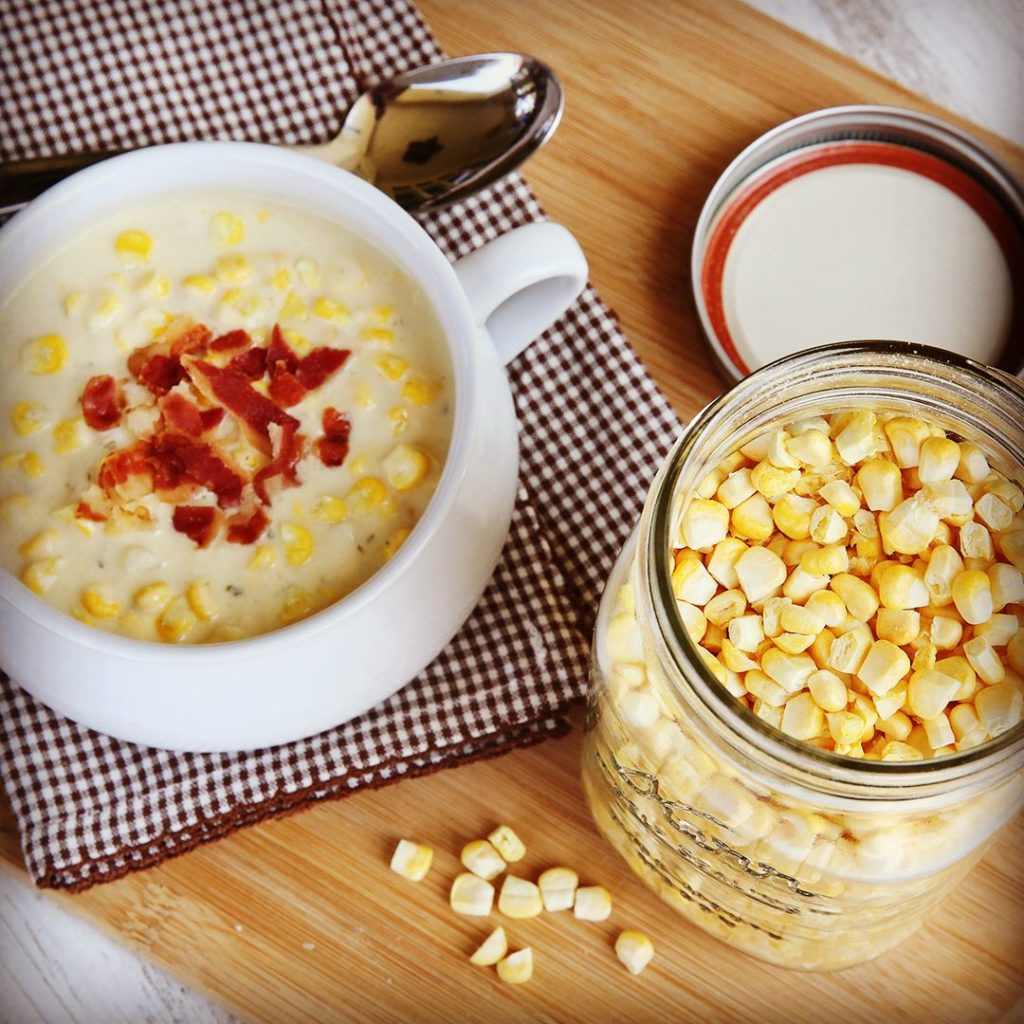
Suppe gehört zu den ältesten Fertiggerichten überhaupt – einige der frühesten bekannten Belege für die Zubereitung von Suppen reichen Tausende von Jahren zurück, lange vor Beginn der geschriebenen Geschichte. Allein die Amerikaner verzehren Schätzungen zufolge jährlich Milliarden von Schüsseln Suppe, wobei Hühnersuppe mit Nudeln, Tomatensuppe, Muschelsuppe, Kartoffelsuppe und Minestrone zu den beliebtesten Sorten zählen.
Warum Suppe wirklich gut für dich ist
Suppe ist zudem eine praktische Möglichkeit, mehr Gemüse in eine Mahlzeit zu integrieren – Untersuchungen an Kleinkindern haben ergeben, dass Suppen, deren Hauptbestandteil Gemüse ist, dazu beitragen können, mit der Zeit eine Vorliebe dafür zu entwickeln. Dies ist einer der Gründe, warum Suppe so häufig genutzt wird, um mehr Gemüse in die Ernährung wählerischer Esser zu schmuggeln. Da die Kochflüssigkeit Teil der Brühe wird und nicht abgegossen wird, bleiben in der Suppe in der Regel mehr Nährstoffe erhalten als bei manchen anderen Zubereitungsmethoden. Und die alte Vorstellung, dass Hühnersuppe bei einer Erkältung hilft, ist nicht nur ein Mythos rund um „Komfortessen“ – warme Brühe hat tatsächlich eine leicht lindernde Wirkung bei verstopfter Nase und trägt zur Flüssigkeitszufuhr bei, wenn man krank ist.
Gefriergetrocknete Suppe: Was Sie wissen sollten
Suppe gehört tatsächlich zu den Lebensmitteln, die sich am einfachsten gefriertrocknen lassen – bei den meisten Brühen und Gemüsesuppen kann man sie direkt auf einem Tablett verteilen und einen Standardzyklus durchlaufen lassen, der in der Regel nach etwa einem Tag abgeschlossen ist. Allerdings lassen sich nicht alle Suppen gleich gut gefriertrocknen: Fett lässt sich nicht auf dieselbe Weise gefriertrocknen wie wasserhaltige Zutaten, sodass sehr fettreiche, cremige Suppen ein anderes Ergebnis liefern können als eine Suppe auf Brühenbasis. Wenn Sie mit einem reichhaltigen, cremigen Rezept arbeiten, lohnt es sich, unseren ausführlichen Gefriertrocknungsleitfaden weiter unten zu lesen, bevor Sie eine ganze Charge verarbeiten.
Nach dem Gefriertrocknen lässt sich die Suppe gut in Mylar-Beuteln oder einem anderen luftdichten Behälter aufbewahren, um sie langfristig zu lagern. Zur Zubereitung einfach heißes Wasser hinzufügen und einige Minuten ziehen lassen – die Suppe nimmt wieder fast ihr ursprüngliches Aussehen und ihren ursprünglichen Geschmack an.
Mehr zum Thema gefriergetrocknete Suppe
„Gefriertrocknen von selbstgemachter Suppe“ ist eine ausführliche Schritt-für-Schritt-Anleitung, in der auch erklärt wird, wie man mit fettreicheren Rezepten umgeht, und „Soup’s On!“ bietet Tipps für den Umgang mit Suppenmengen, die immer größer ausfallen als geplant.
Häufig gestellte Fragen
Lässt sich Suppe leicht gefriertrocknen?
Ja – die meisten Brühen und Gemüsesuppen lassen sich mit minimalem Vorbereitungsaufwand gut gefriertrocknen; der Vorgang dauert in der Regel etwa einen Tag.
Wird jede Suppe auf die gleiche Weise gefriergetrocknet?
Nicht ganz – Fett lässt sich nicht auf die gleiche Weise gefriertrocknen wie wasserhaltige Zutaten, daher können sich cremige Suppen anders verhalten als solche auf Brühenbasis.
Wie lange ist gefriergetrocknete Suppe haltbar?
Bei korrekter Lagerung in einem luftdichten Behälter, beispielsweise einem Mylar-Beutel, ist gefriergetrocknete Suppe jahrelang haltbar.
Wie bereitet man gefriergetrocknete Suppe zu?
Einfach heißes Wasser hinzufügen und ein paar Minuten ziehen lassen – schon hat es wieder fast seinen ursprünglichen Geschmack und seine ursprüngliche Konsistenz.
Teilen:
Gewinner eines mittelgroßen Gefriertrockners
Thanksgiving-Reste