

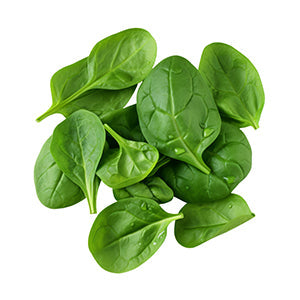
Spring and summer gardens tend to produce spinach and kale faster than most households can realistically eat them fresh. Rather than let the extra go to waste or get pawned off on neighbors, freeze-drying turns a fast-growing surplus into a pantry staple that lasts well past the growing season.
Preparing Spinach and Kale for the Freeze Dryer
Remove the leaves from the stems first — some people find the stems noticeably bitter — then rough-chop what's left. From there, freeze-dry as much as your garden produces during peak season. Both vegetables are nutrient-dense and, once powdered, turn nearly flavorless, which makes them easy to work into recipes without anyone noticing.
What to Do With It Later
Freeze-dried spinach and kale rehydrate well in winter soups and stews, adding real nutrition and fiber to dishes that might otherwise be fairly plain. Powdered versions blend easily into homemade dog food as well — in moderation, like any new addition to a pet's diet.
Two More High-Yield Garden Vegetables
If zucchini and tomatoes are also on your planting list this year, 3 must-have vegetables for your freeze-dry garden covers both in depth — including zucchini chips, quick breads, and tomato sauces and pastes worth planning your garden around.
Frequently Asked Questions
How should spinach and kale be prepared before freeze-drying?
Remove the leaves from the stems (the stems can taste bitter), rough-chop the leaves, and freeze-dry them as soon as possible after harvest for the best quality.
What can freeze-dried spinach and kale be used for?
They rehydrate well in soups and stews, and powdered versions blend into recipes — including homemade dog food — almost without a noticeable flavor.
What other high-yield vegetables are worth planting for freeze-drying?
Tomatoes and zucchini are two of the most productive — see 3 must-have vegetables for your freeze-dry garden for specifics on both.
Share:
Winner of a Medium Freeze Dryer
How Fast Does a Freeze Dryer Pay for Itself?